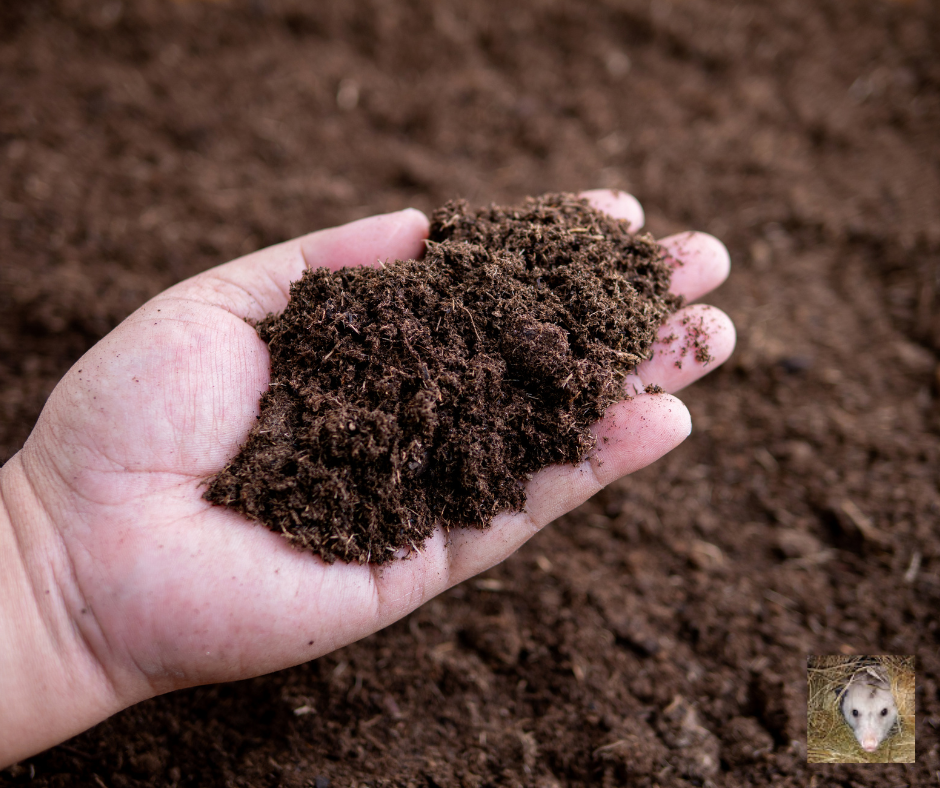
Gardeners use the power of composting to improve their soil and plant health. A healthy plant is a productive plant. This article will help you set up a proper compost pile and get started on the road to free nutrient-rich soil.
My Planting Schedule Zone 6
Planting schedules can be tricky. You need to understand and be watching climate patterns and weather in your area. It’s important to know the days to maturity of the plants and what type of weather do they grow well in. I live in Kentucky. Zone 6b. Zone Six covers a large section of the country including parts of New England, Pennslyvania, Ohio, Kentucky, Indiana, Missouri, across Kansas, and into the Rocky Mountain states.
Blossom End Rot: What it is and how to prevent it
Blossom-end rot is one of the most frustrating problems gardeners face when growing tomatoes. You check on a plant that looks healthy, only to find dark, sunken spots forming on the bottom of developing fruit. Many people assume it’s a disease or a pest, but blossom-end rot is neither. It’s a nutritional issue tied to how the plant takes up and uses calcium as the fruit grows.
Growing Espalier Fruits: Perfect For Small Spaces
Raising Honeybees: Step by Step With Pictures
Organic Roses 101: Your Complete Guide to Beautiful, Eco-Friendly Blooms
Who doesn't love roses. They are such symbols of beauty and love. But they can be difficult to grow. Especially the antique varieties. Growing roses organically is possible and very rewarding.
Growing roses organically means working with nature instead of against it. You can avoid synthetic pesticides and fertilizers, creating a healthier garden ecosystem that benefits beneficial insects, soil microorganisms, and your family. Plus, organic roses often develop better natural resistance to pests and diseases over time.
This article will help you grow fabulous roses in USDA Zones 5 & 6 and discusses some fun things we can make from them.
Chives 101: Growing, Caring, and Cooking with This Tasty Herb
The Complete Radish Growing Guide: Plus Recipe's
5 Common Tomato-Growing Mistakes
Top 5 Mistakes Growing Beets in Zone 5 & 6
Grow A Salsa Garden in Only 16 Square Feet: Zones 5 & 6
Plan For A Productive Canning Garden Zones 5 & 6
For years, I would plant lots of vegetables and then say I was ready for canning season. There was no organization. Now, I know better and I plan my canning garden around what I’d want to preserve instead.
Growing your food specifically for preservation gives you the power to select vegetables best suited to your tastes and needs. It enables you to manage your harvest and plan for year-round food efficiently.
Urban Self Sufficiency Using Square Foot Gardening
Brambles Are Best! Raspberries in Zone 6
Grow Blackberries in Zone 6
Blackberries are delicious fruits that are relatively easy to grow, making them a perfect addition to any garden. They are a relatively low-maintenance crop that can thrive in a variety of soils, and many modern varieties are thornless, making them easy to manage and harvest. The climate in Zone 6 is great for blackberries.
Winter Gardening in Zone 6
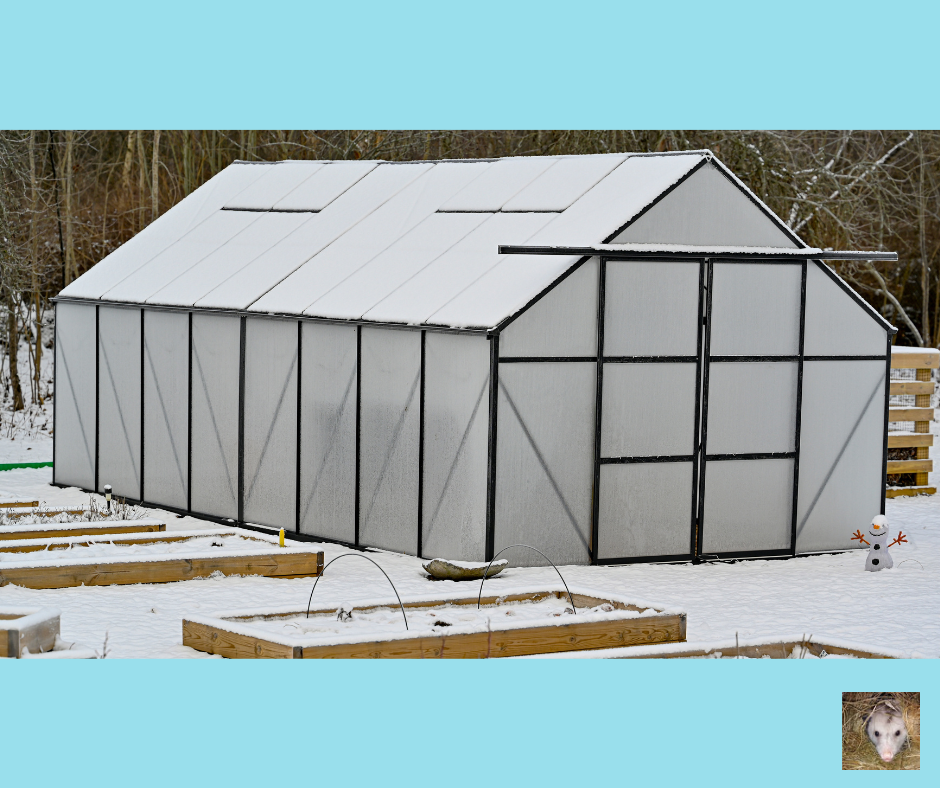
Winter often marks a time of dormancy for many gardens, but in Zone 6, there’s no need to hang up your gardening gloves when the first frost arrives. With the strategic use of unheated greenhouses and hoop houses, you can extend your growing season and enjoy fresh produce well into the colder months.
Growing Zinnias For Cut Flowers and Pollination Gardens
Vegan Composting and Fertilization
As a vegan, you want a garden full of healthy plants. Healthy plants fight off diseases and pests. And they have more nutrients which help us stay healthy too.
Plant-based compost is easy to make and will benefit your garden. My vegan friends often tell me that established gardeners tell them you can't compost without animal products. And that is simply not true!