
Updated Video - talks about the differences between hibernation, torpor, and brumation.
A portion of the proceeds from our books, YouTube content, and affiliate partnerships is reinvested into Fox Run Environmental Education programs. These funds are used to purchase essential supplies for licensed wildlife rehabilitators, helping support the care and recovery of native wildlife. See our Donation Page.
Organic Gardening Zones 5 & 6
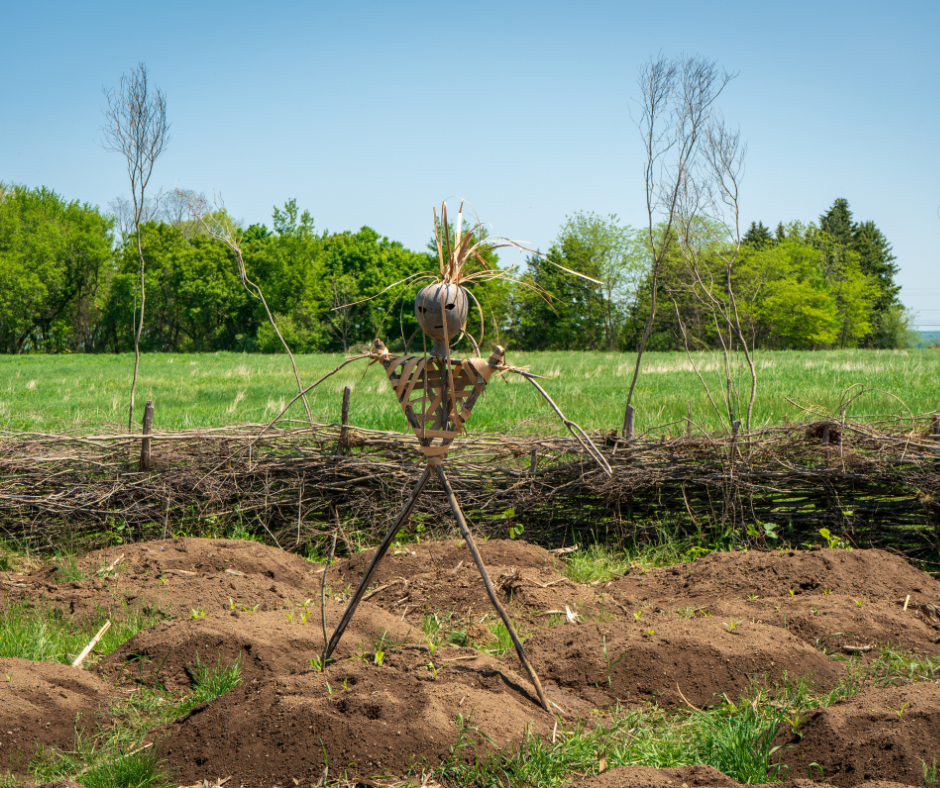
The Three Sisters Garden is a method of companion gardening developed by Native Americans. They plant corn, beans, and squash together which forms a symbiotic relationship.
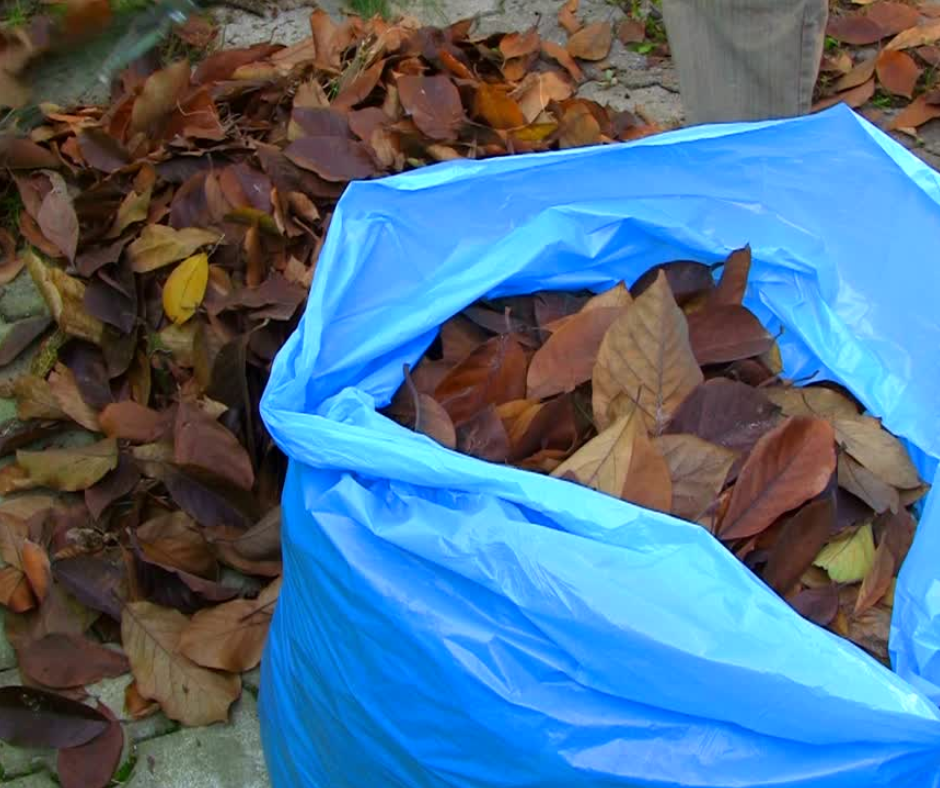
Every fall, millions of bags of leaves and garden waste are hauled away to landfills. But to an organic gardener, it isn't trash at all. It's the foundation of living soil. Pound for pound, the leaves of most trees contain twice as many minerals as manure. Today, let’s look at how you can turn your fall leaves into rich, living gold for free.
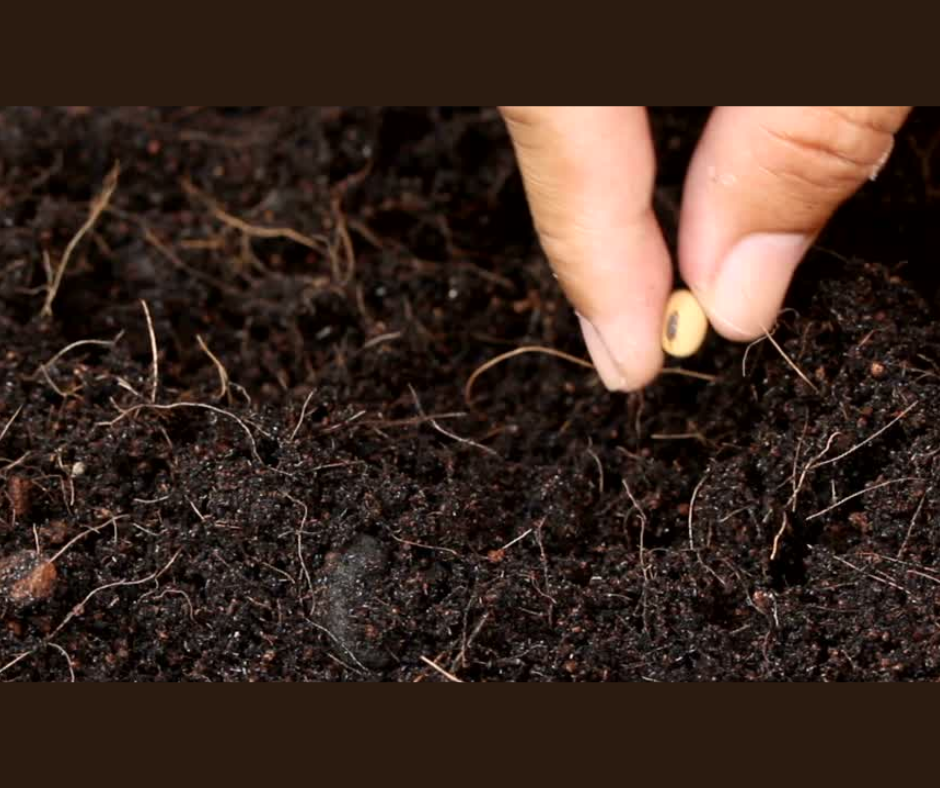
Seeds are where every garden begins. For new gardeners, seed labels and terms can be confusing. Seeds fall into two main categories. Heirloom and Hybrid. Understanding the differences between heirloom and hybrid seeds plus related terms such open-pollinated and GMO plants is essential for gardeners seeking to make informed choices.
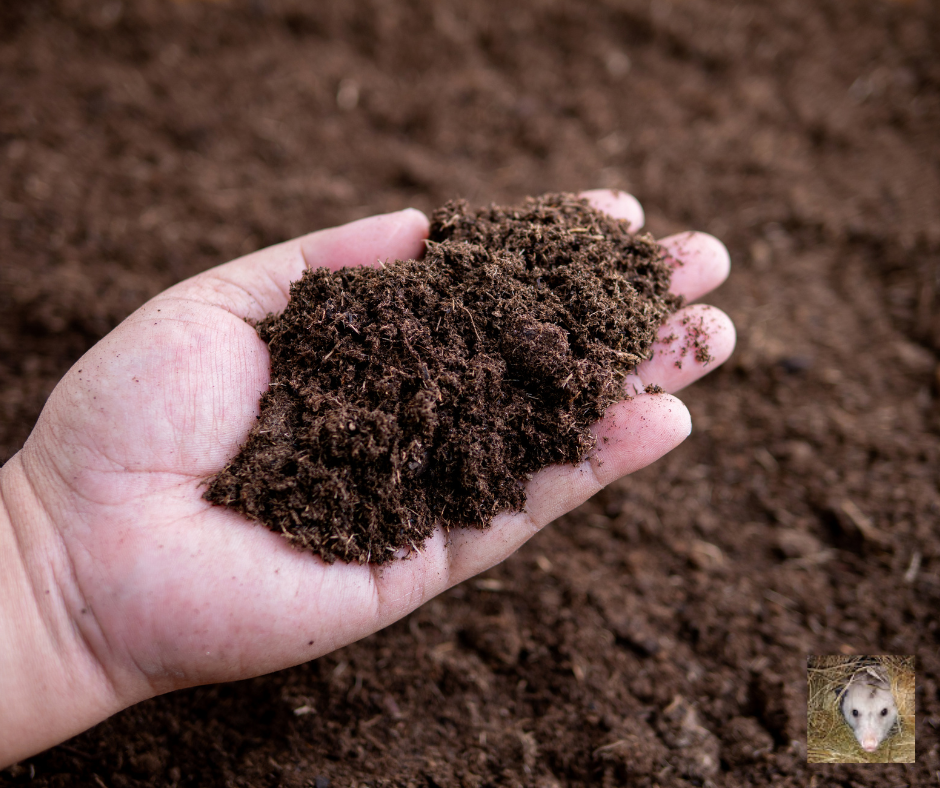
Peat moss is a common material used in gardening. It’s found in many mixes for seed starting and potted plants. Gardeners use it to improve their soil, start seeds, or fill raised beds. It is valued because it holds water well and improves soil structure. It prevents soil compaction and lowers pH which is good for acid loving plants like hydrangeas and blueberries.
Sounds great? However, there is a down side. Peat moss is not environmentally friendly for several reasons. The primary concern unsustainable harvesting and the environmental impact of peatlands, which are critical ecosystems.
Lets look at what peat moss is, how its harvested and some good replacements.
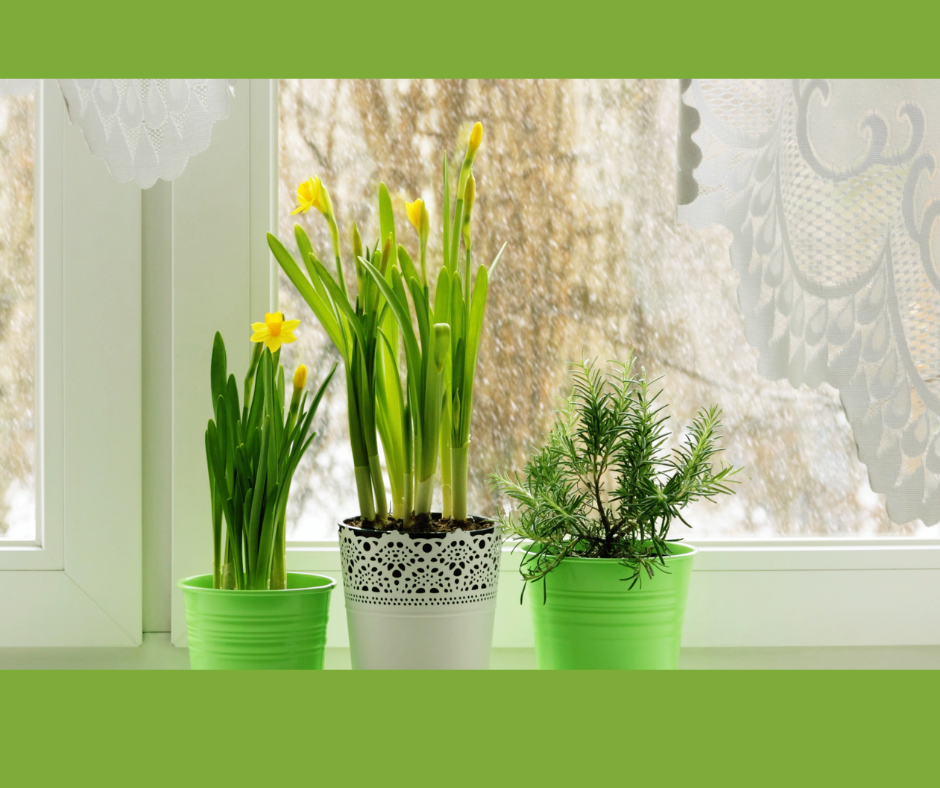
Forcing bulbs is a simple and satisfying way to enjoy spring flowers ahead of time. By simulating the conditions of winter, you can "trick" your bulbs into thinking it's time to bloom, allowing you to bring nature's beauty into your home while it’s still cold outside.
Wildlife Conservation and Rehabilitation
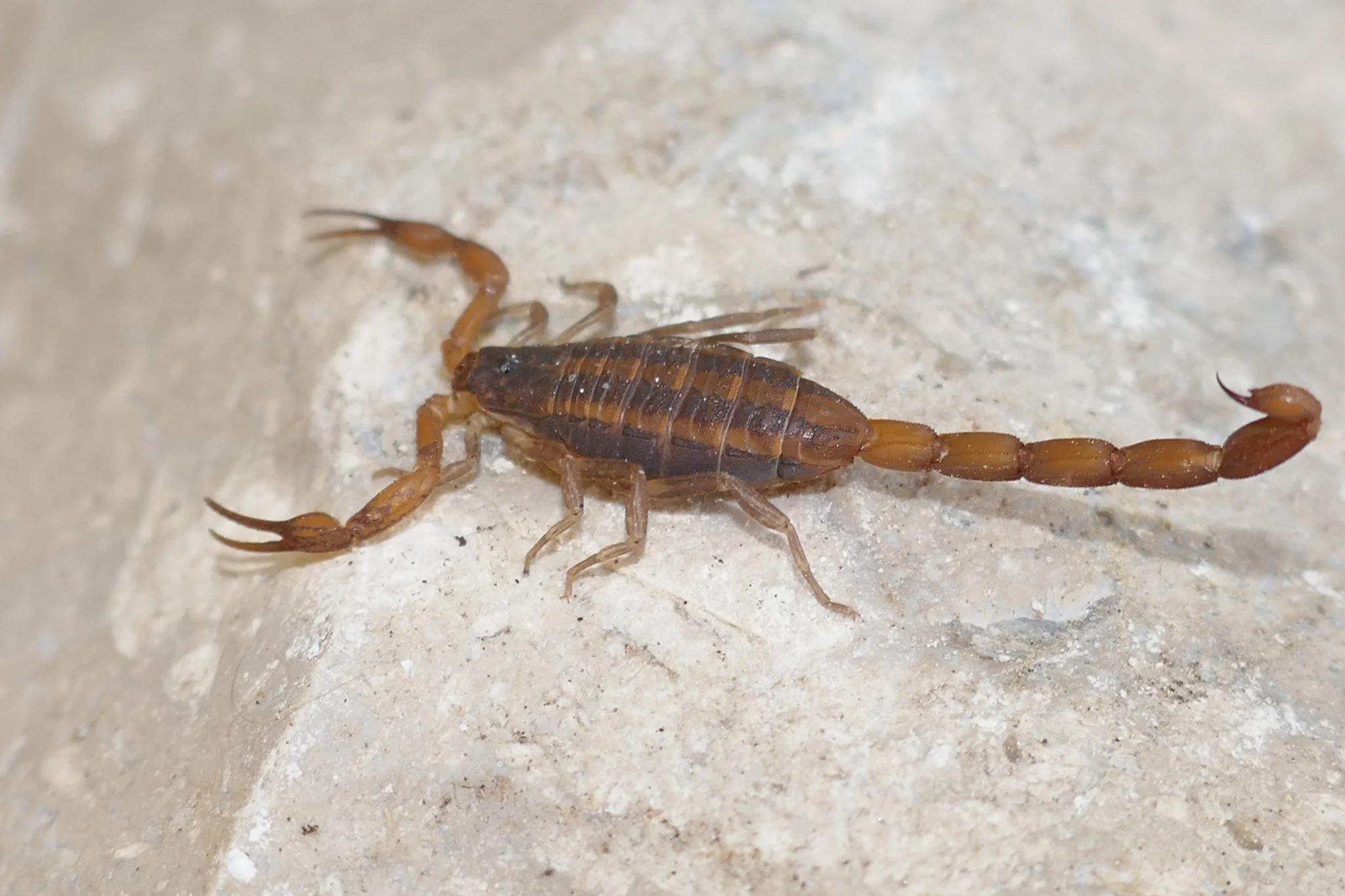
Scorpions are known for their venomous sting, which they use to paralyze or kill their prey. While most scorpions are not deadly to humans, a few species have venom potent enough to cause serious harm. The fear of their sting adds to their frightening reputation.

Bison bring up many romantic ideals of a time gone by. At one time bison ranged over much of the country, a cornerstone species in their ecological niche.
After being nearly exterminated by overhunting they have made a heroic comeback.
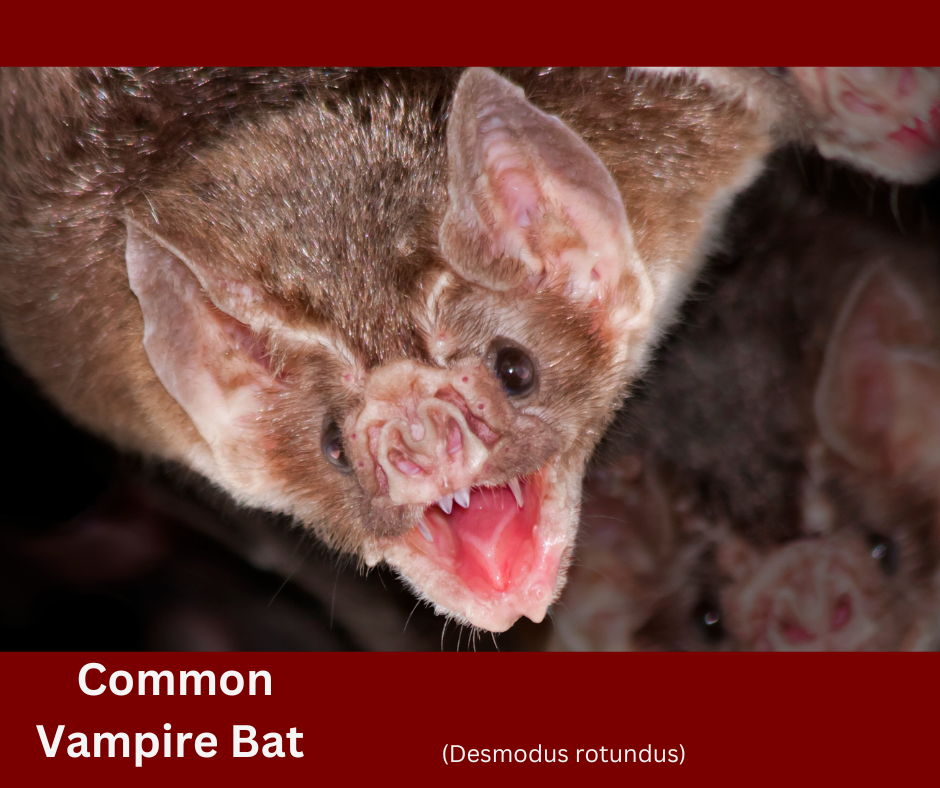
Vampire bats are the only mammals that survive exclusively on a diet of blood. The scientific word is obligate sanguivores. And yes, sometimes they bite humans. There are three species of vampire bats but we are focused on the one closest to us in the United states, the common vampire bat.

Rest and Relaxation. Catching some ZZZ’s. Hibernation, Brumation, and Torpor are all animal responses to dealing with the need to conserve energy and slow down. I explain what they are and how wildlife gets through the cold months every year.
Hibernation, Brumation, and Torpor are biological reactions to the environment. By slowing down their metabolic rate animals can conserve energy, have less need for food, and gain the ability to survive lower temperatures.

Raccoons are adorable, smart, precocious and they use these attributes to get into trouble. Not that raccoons think “I am going to get in this trash can just to be bad.” But that is what happens.
This article will tell you everything you need to know about raccoons including how smart they are and how to humanely keep them out of your attic and chicken house.
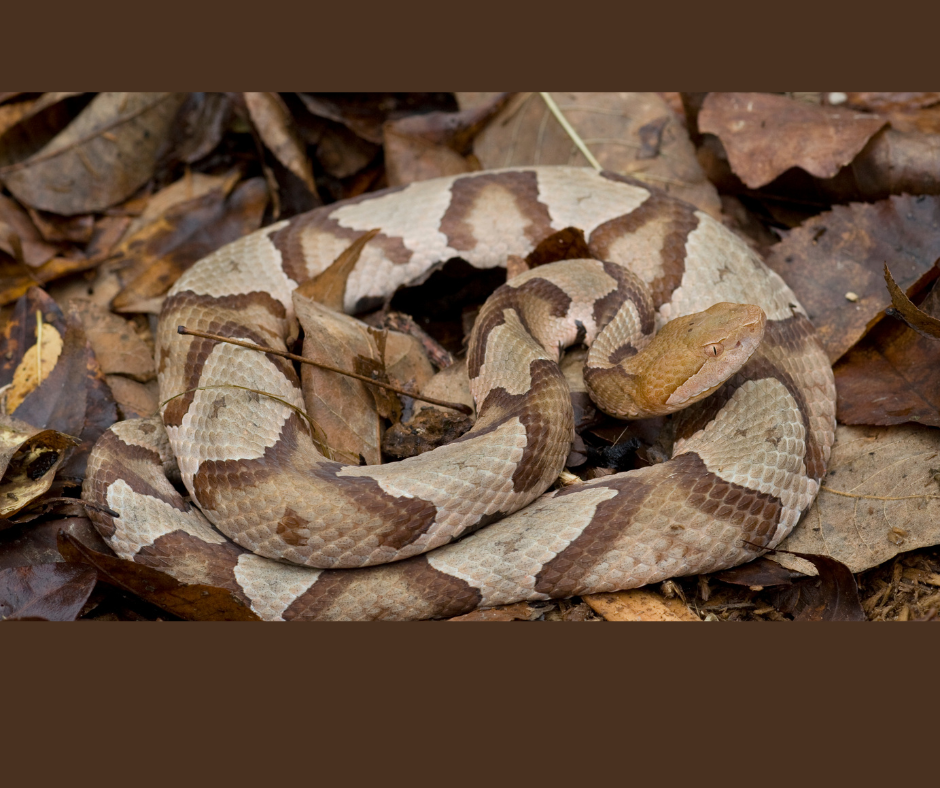
Easter Copperheads (Agkistrodon contortrix) are one of the more common venomous snakes in America and are responsible for the most snakebites from any venomous snake in the country. The beautiful although a bit menacing-looking copperhead has a distinctive hourglass pattern.
Environmental Education
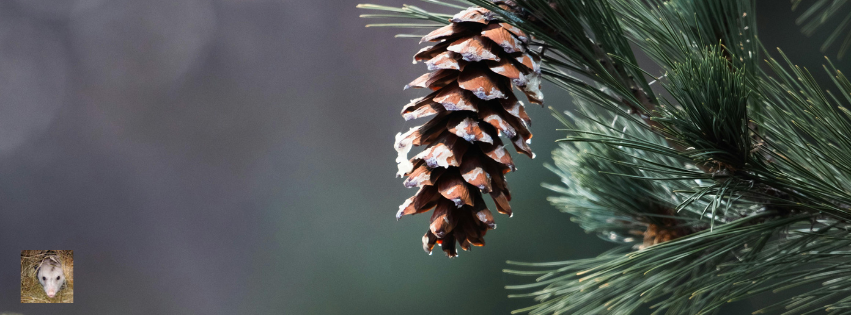
Pinecones come from pine trees but all conifer trees make cones. Cedar and spruce trees also make cool cones.
There are 49 species of native pine trees in North America.
Pinecones may have different shapes and sizes depending on tree species
Pinecones protect pine tree seeds from extreme weather.
It may take more than 10 years for a pinecone to naturally fall out of a tree.
The best time to look for pinecones is autumn.
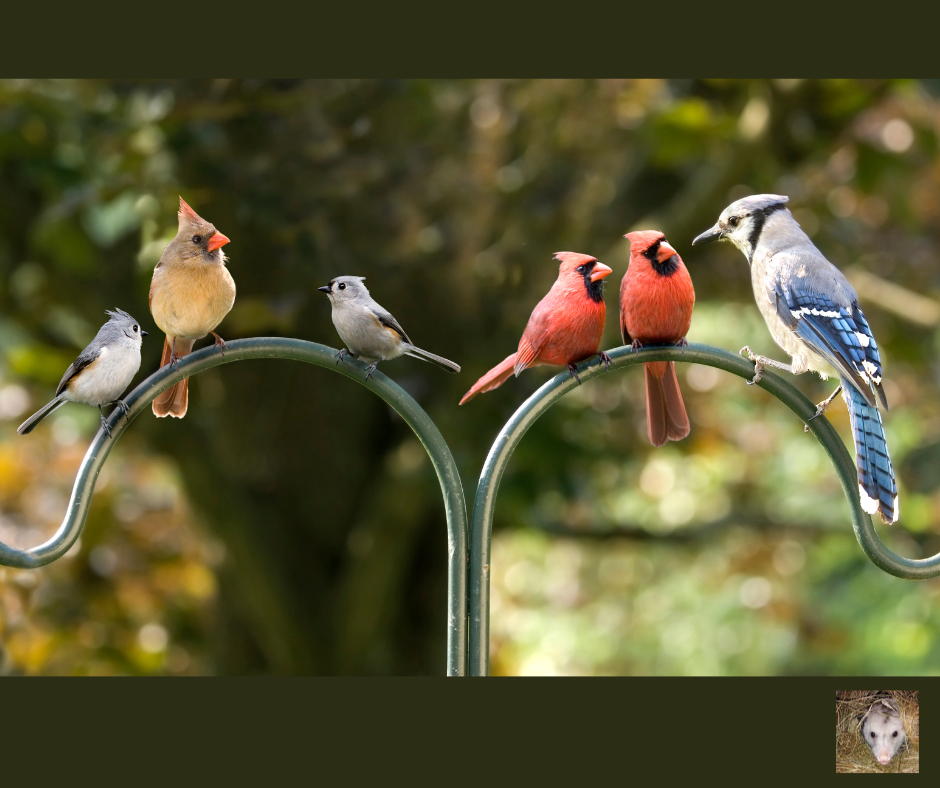
Birding is one of the easiest ways for families to spend time outside and learn about wildlife. You do not need expensive gear or special training. Birds live in cities, suburbs, and rural areas, so most families can start right in their own backyard or neighborhood.
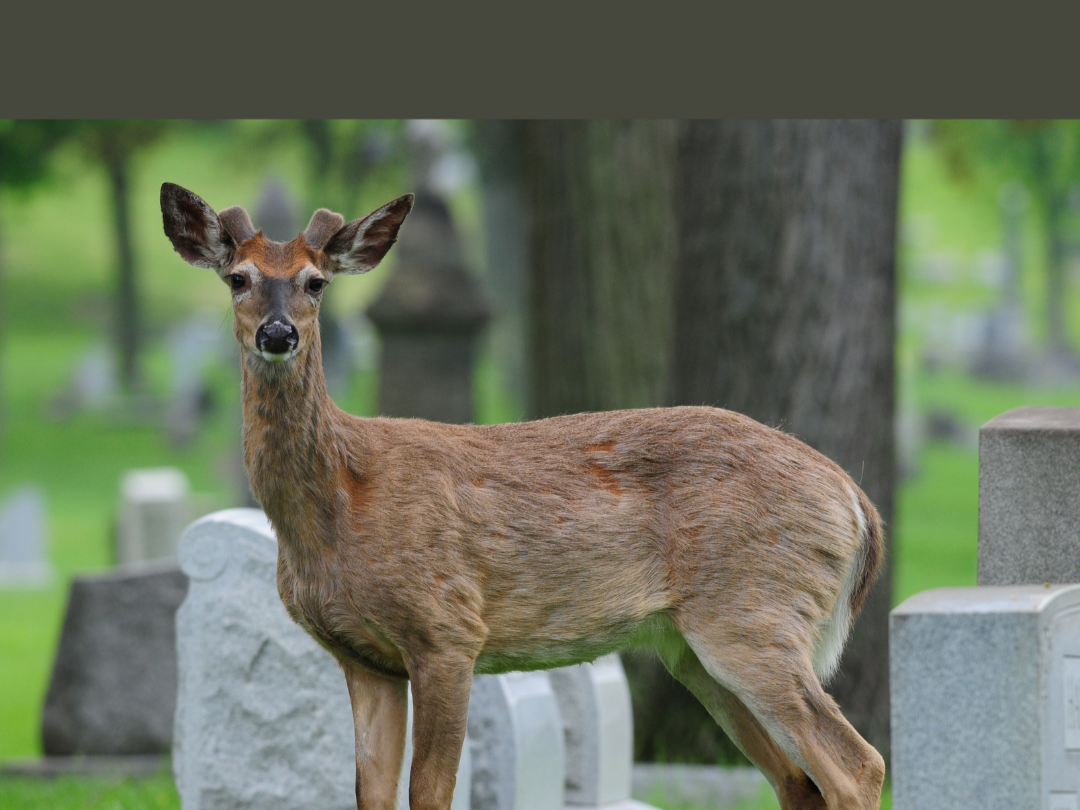
Cemeteries are fabulous places to explore nature and learn about an ecosystem. Because they are protected from development and relatively undisturbed they have a wide variety of plants and animals.

There’s nothing quite like the magic of a forest to spark a young child’s imagination. The dappled sunlight, chirping birds, earthy smells, and crunchy leaves create a natural classroom that invites exploration.
For preschoolers and early elementary-aged children, a forest sensory walk is a wonderful way to learn about the environment. Full of things to hear, see, smell, taste, and touch. Plan to take a walk in the forest and use your senses to explore.
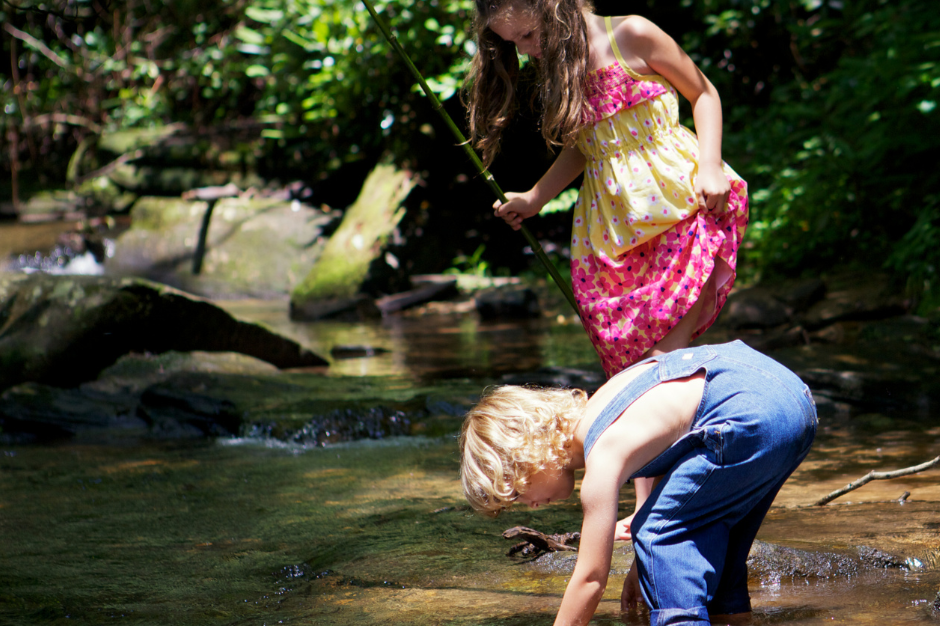
Creeks and streams provide a place for children to explore nature. Around creeks, kids can see various animals and plants that make up a complex food web. Everything is connected, and the survival of one animal is often dependent upon the survival of another.
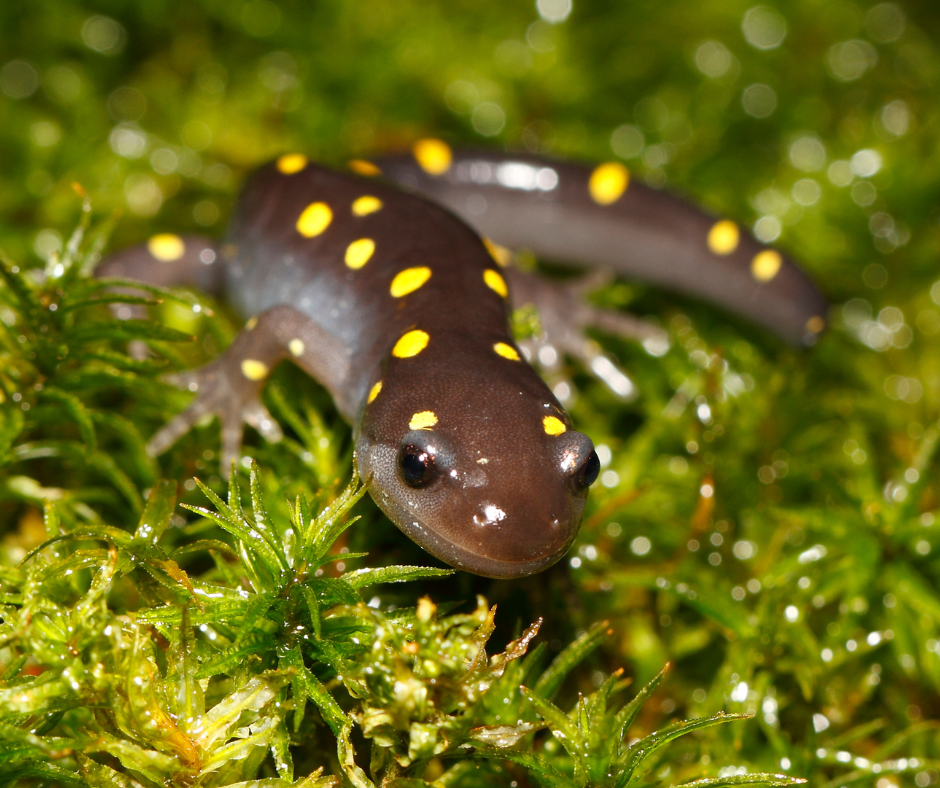
In the United States, we have over 250 species of salamanders. The Eastern US has the greatest diversity worldwide. Salamanders are a unique group of animals. They are amphibians, like frogs, and have life stages in water or on land.
And spring and fall are great times to look for them in the wild. Im going to give you some tips on finding salamanders in the wild and some common species to look out for.
We Teach. We Rescue. We Grow. We Care.
Check Out Our PDF Books and more on the Resources/Free Downloads Page!
Beautiful shade gardens happen naturally in the forest. These native plants will thrive in gardens, look beautiful and benefit the eco-system. The 8 flowers we are talking about today will do well in your yard under trees and in north-facing garden beds with full to partial shade. And are well suited for zones 5 and 6.