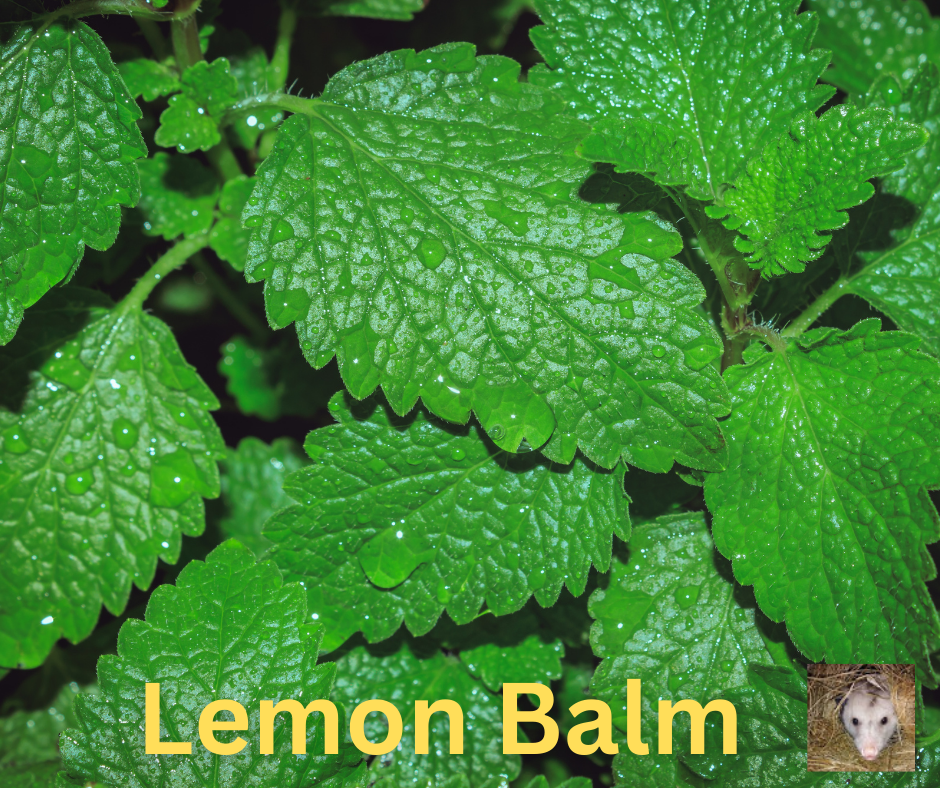
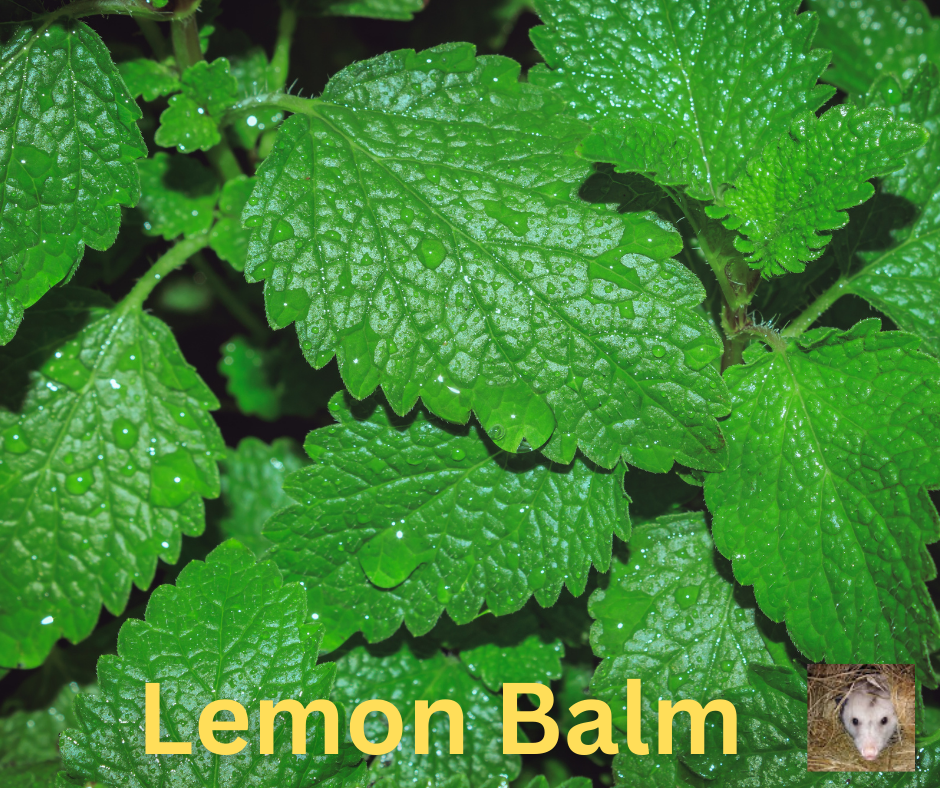
Lemon balm (Melissa officinalis) is a hardy perennial herb in the mint family (Lamiaceae). Gardeners have grown it for centuries because it is easy to grow, smells wonderful, and has many medicinal uses.
For my fellow gardeners in USDA zones 5 - 6, lemon balm is easy to start from seed and once established it returns each year and spreads easily.
Lemon balm is native to the Mediterranean region and there are several documents showing how it was used by the ancient Greeks and Romans. My local bumble bees love it.
Why Grow Lemon Balm
Lemon balm grows quickly, tolerates a range of soil conditions, and produces leaves for months with minimal care. It can be started from seed or root cuttings.
Benefits
Flavor foods
Ingredients for natural skincare products
Traditional herbal remedies.
Attract bees and other pollinators.
For gardeners who enjoy growing herbs with practical uses, lemon balm is a dependable and rewarding plant. A single patch can provide leaves for the kitchen, herbal teas, and home remedies throughout the growing season while also supporting beneficial insects in the garden.
Varieties
Most of us grow the common Lemon Balm but there are several cultivars.
Common Lemon Balm (Melissa officinalis)
This is the standard form most often grown in herb gardens. Plants reach 18–30 inches tall and produce bright green, wrinkled leaves with a strong lemon scent. It spreads easily by seed and roots. This variety is widely used for herbal tea, cooking, and traditional herbal medicine.
Lime
Lime lemon balm produces leaves with a lime-like citrus aroma rather than a traditional lemon scent. The flavor is slightly sweeter and milder.
A smaller cultivar, it grows 12–18 inches tall and works well in containers or herb beds. The leaves are commonly used in summer drinks, fruit dishes, and herbal teas.
Mandarina
Mandarina is a popular cultivar with a sweet orange-lemon scent. The aroma is sometimes described as similar to mandarin oranges.
Plants grow around 16–24 inches tall and produce soft green leaves. This variety is especially popular for herbal teas and desserts because of its unique citrus flavor.
Compacta
Compacta is a dwarf cultivar that is only 8–12 inches tall and forms a dense, rounded clump. It is popular for container gardening, small herb beds, and edging along paths.
The leaves are soft green, wrinkled, and has a fresh lemon scent when crushed. The flavor is also similar to common lemon balm, making it suitable for tea, cooking, and herbal preparations.

Check out my new book - all about creating habitat for birds, pollinators, amphibians, and small mammals.
Grow
Lemon balm is a bushy perennial herb that typically grows 18 - 36 inches tall and about 18 inches wide. It prefers well drained soil. If your soil is heavy, mix in compost to improve drainage. It doesnt need much fertilizer. I mulch with some compost in spring.
It needs at least 5 hours of sun a day. However it does well in partial shade preferring morning sun and afternoon shade especially in southern zones.
Lemon balm grows easily from seed. The seeds are tiny and you want to start them indoors 6–8 weeks before the last spring frost. They need light to germinate. When seeding lay them on the soil and lightly press them in to make contact but don't cover them.
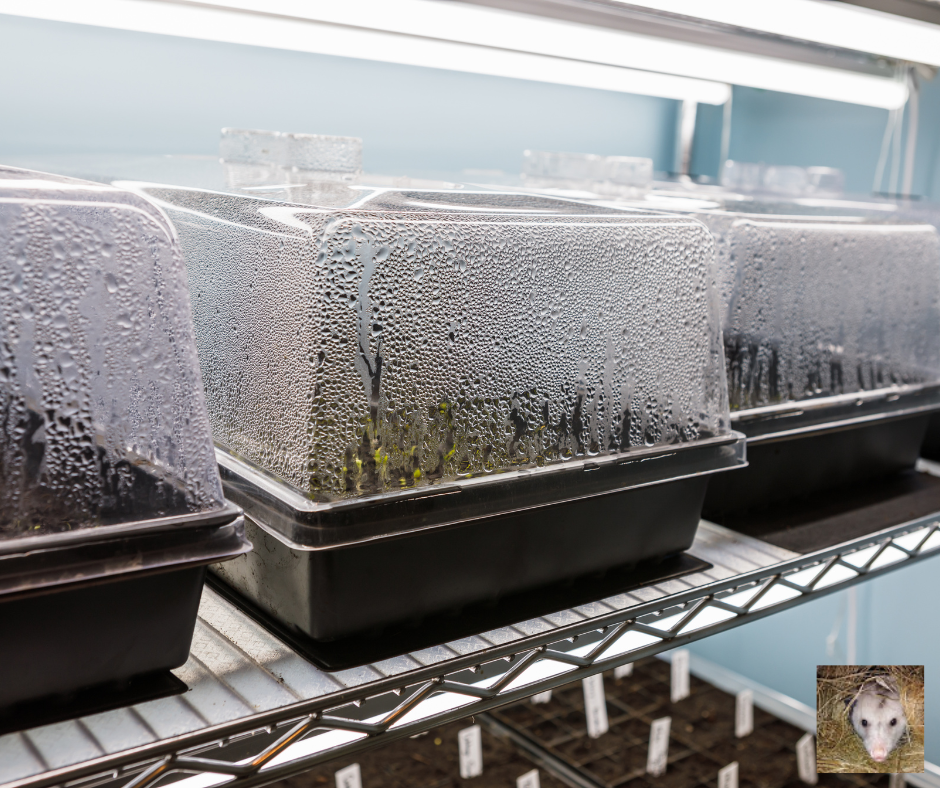
Cover the tray with a humidity dome.
Mist the soil with water. Cover the tray with a humidity dome until seeds sprout which is in 7-14 days. Place trays in a warm area around 65–70°F (18–21°C).
Once seedlings appear, remove the cover and provide bright light. When plants develop several sets of leaves, they can be transplanted outdoors after frost danger has passed.
Direct Seeding Outdoors
Lemon balm can also be sown directly in the garden in spring.
Prepare the soil by loosening it and mixing in compost.
Scatter seeds on the soil surface.
Press gently into the soil.
Water lightly.
Keep the soil moist until seedlings appear. Once seedlings reach a few inches tall, thin them to 12–18 inches apart.
Like other members of the mint family, lemon balm spreads easily. Lemon balm can become dense if not managed. You can grow it in its own raised bed, or containers to control spreading.
Containers
Lemon balm does well in containers, especially the smaller varities. Use a container that is at least 10 inches deep with drainage holes. Fill it with a well-drained potting mix. Container plants dry out faster than garden beds, so check moisture regularly.
Pollination
Lemon balm produces small white flowers in summer. These flowers are rich in nectar and attract bees and other pollinators. In fact, the genus name Melissa comes from the Greek word for “honeybee,”. It typically flowers June to September.
Harvest
The best flavor occurs before the plant flowers, but leaves remain usable afterward. Lemon balm leaves can be harvested throughout the growing season.
Cut stems about 4–6 inches above the ground. Leave some growth and the plant will continue to grow. I sometimes give a dose of fish emulsion after harvesting.
Leaves can be used fresh or dried. Fresh is great for tea and cooking but for winter use you will want to dry some.
Drying
To dry lemon balm for tea, wash and thoroughly pat dry fresh leaves, then dry them using low heat in a dehydrator for 2-4 hours at 100° F or 38° C.
To dry lemon balm without electric, hang small bundles upside down in a warm, dry place with good airflow.
Store in airtight jars.
Lemon balm is a truly versatile herb to grow and can be used in cooking, medicinally, and to make skin care products. Check out my video.
Medicinal Qualities
Many traditional uses focus on calming the nervous system and supporting digestion.
Herbalists often include it in teas designed to support relaxation and reduce nervous tension. It is used to combat insomnia, and to help with focus and memory.
Several studies suggest that the compounds in lemon balm helps reduce anxiety and improve mood. I will list a couple studies in the description.
Ways To Use Lemon Balm
Culinary Uses of Lemon Balm
Lemon balm has a mild lemon flavor that works well in many foods and drinks. The leaves add brightness without the acidity of citrus. Lemon balm is commonly used as a mild calming herb. Herbalists often include it in teas designed to support relaxation and reduce nervous tension.
Herbal Tea
Lemon balm makes a very tasty citrus flavor tea. To make tea with fresh leaves place a handful of fresh leaves in a cup.
To make fresh tea:
Place a handful of fresh leaves in a cup.
Pour hot water over them.
Steep for 5–10 minutes.
The tea has a light citrus flavor and calming aroma.
Flavoring for Foods
Lemon balm leaves can be added to many dishes.
Common uses include:
Fruit salads
Herbal butters
Salad dressings
Marinades
Chicken or fish dishes
There are many fun ways to add lemon balm to foods. Try using it in syrup or for a citrus tart. Try this Simple Lemon Balm Syrup Recipe from Roots and Refuge.
Because heat can weaken the flavor, many cooks add lemon balm near the end of cooking.
Infused Drinks
Lemon balm is also used to flavor:
Lemonade
Iced tea
Sparkling water
Herbal cocktails
Simply add crushed leaves and allow them to steep.
Herbal Honey
A simple herbal honey can be made by filling a jar with lemon balm leaves and covering them with raw honey. After several weeks the honey absorbs the flavor.
This honey can be used in tea or on baked goods.
Skin Car Uses For Lemon Balm
Lemon balm contains natural aromatic oils that make it useful in skincare and cosmetic products.
Skin Toner
A simple herbal toner can be made by steeping lemon balm leaves in hot water. After cooling, the liquid can be used as a gentle facial rinse.
The herb has mild astringent properties, which help tighten skin slightly.
Herbal Bath
Fresh or dried lemon balm can be added to bath water. The plant releases a calming lemon scent that many people find relaxing.
Infused Oil
Lemon balm leaves can be infused in oil for use in salves or lotions.
To make infused oil:
Fill a jar with dried lemon balm leaves.
Cover with olive oil or another carrier oil.
Let the mixture sit for 2–4 weeks.
Strain the oil.
This oil can then be used in homemade balms or creams.
Another Recipe for Salve
To make salve take 3/4 cups or 100g of Fresh leaves and the same amount of Olive Oil (or Coconut oil). Double boil on low heat for 2 hours.
Put them in a Double boil on low heat for 2 hours. Take off heat and Strain the leaves through cheesecloth allowing the oil to drain into a glass jar.
Let the oil rest or overnight.
Combine infused oil and 3/4 cups or 100g grated beeswax in a double boiler until melted.
Remove from heat, mix in 10 drops of Vitamin E, and pour into containers. Know that there are many variations you can do.

Proceeds from our coloring books help wildlife rehabilitators.
Traditional Medicinal Uses
Lemon balm has a long history in herbal medicine. It has been used in Europe and the Middle East for thousands of years.
Many traditional uses focus on calming the nervous system and supporting digestion.
Sleep Support
Lemon balm is often combined with herbs such as valerian or chamomile in herbal sleep blends.
Drinking lemon balm tea before bed may help promote relaxation.
Digestive Support
The herb has also been used traditionally to support digestion.
Lemon balm tea may help relieve:
Mild stomach discomfort
Gas and bloating
Digestive upset
Cold Sores
Extracts of lemon balm have been studied for their potential antiviral activity against herpes simplex virus, which causes cold sores. Some herbal creams include lemon balm extracts for this purpose.
Cold sores are very uncomfortable. One study found that lemon balm has antiviral activity that can inhibit the virus that causes them. And there’s also evidence that lemon balm has anti-inflammatory properties, which could help soothe skin. Another use for your salve.
Colds
Mix honey, lemon balm, grapefruit and lemon juice together with some very warm water and let it sit covered for two hours. Then stir, drain, and drink when you have a cold.
Do you have a shady yard? Find out what herbs do well in partial shade.