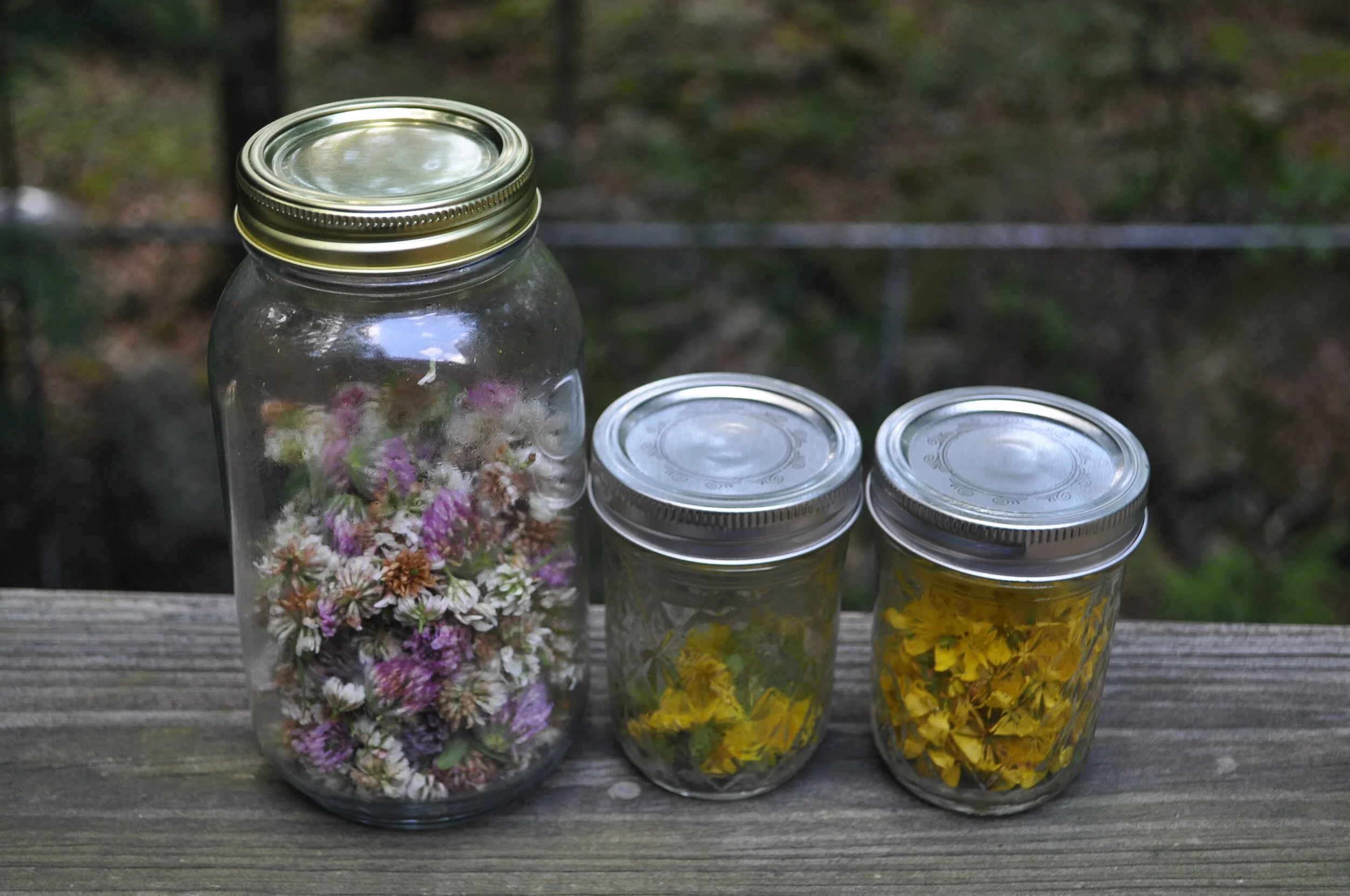
Love a cup of tea? You’re not alone. Tea is the most popular drink in the world after water. But did you know you can make it from plants in your backyard?
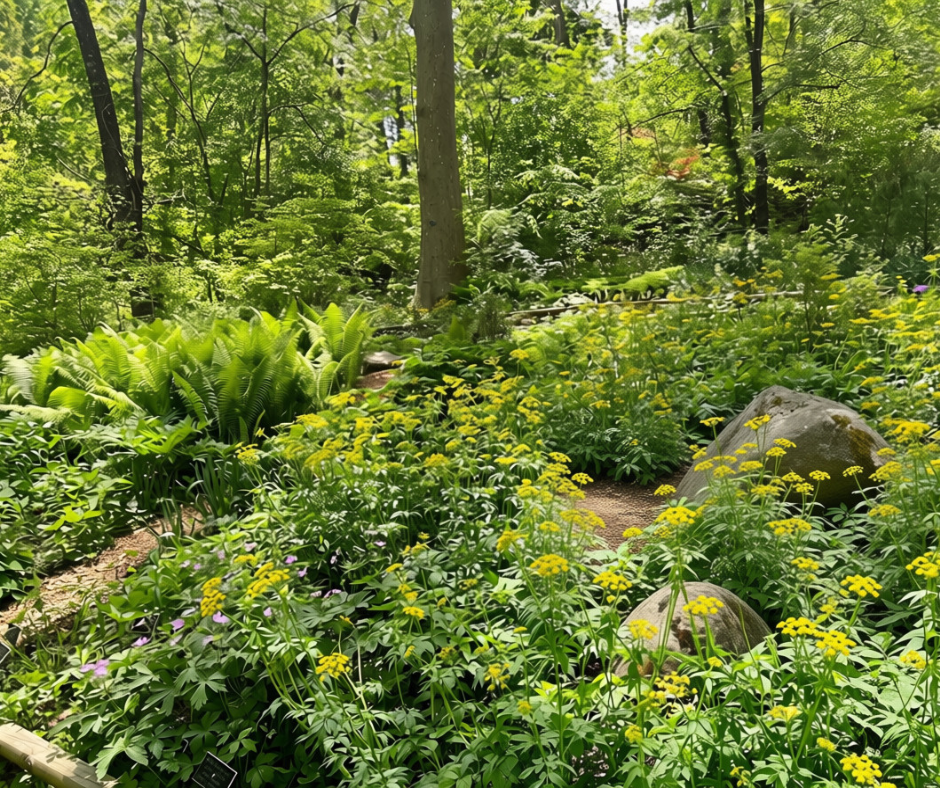
Beautiful shade gardens happen naturally in the forest. These native plants will thrive in gardens, look beautiful and benefit the eco-system. The 8 flowers we are talking about today will do well in your yard under trees and in north-facing garden beds with full to partial shade. And are well suited for zones 5 and 6.
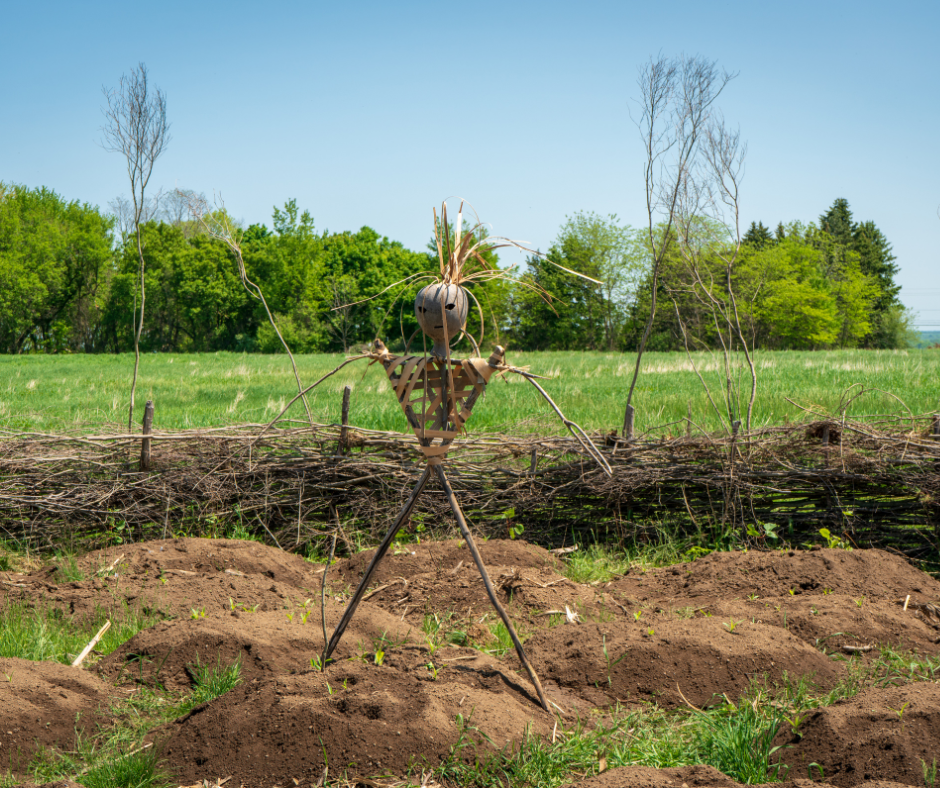
The Three Sisters Garden is a method of companion gardening developed by Native Americans. They plant corn, beans, and squash together which forms a symbiotic relationship.
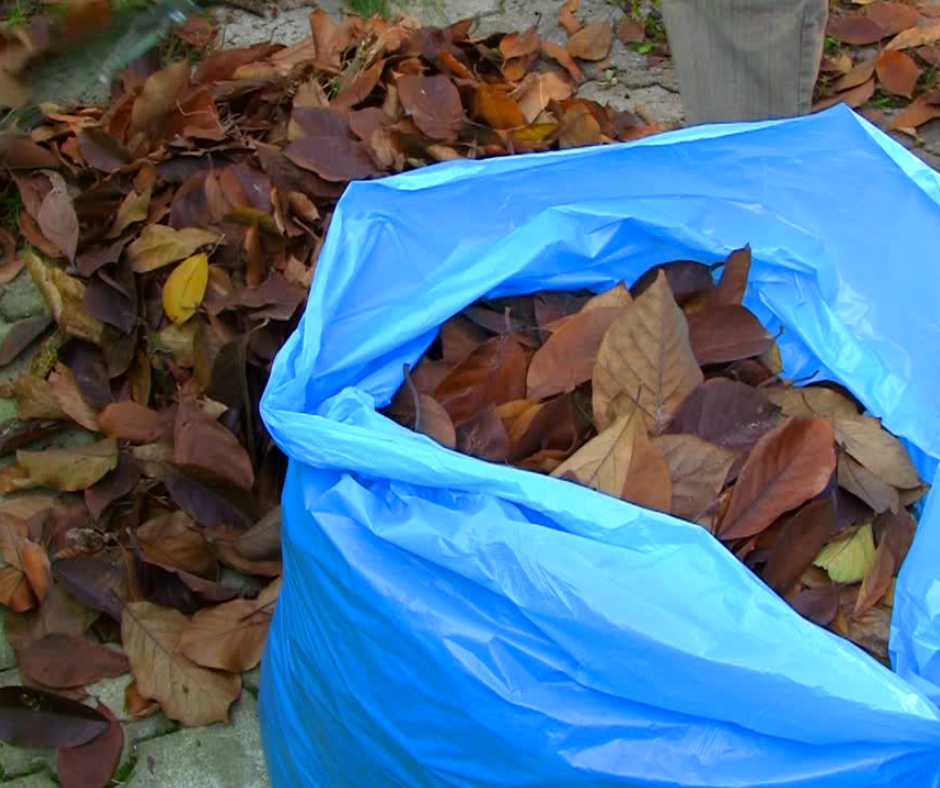
Every fall, millions of bags of leaves and garden waste are hauled away to landfills. But to an organic gardener, it isn't trash at all. It's the foundation of living soil. Pound for pound, the leaves of most trees contain twice as many minerals as manure. Today, let’s look at how you can turn your fall leaves into rich, living gold for free.
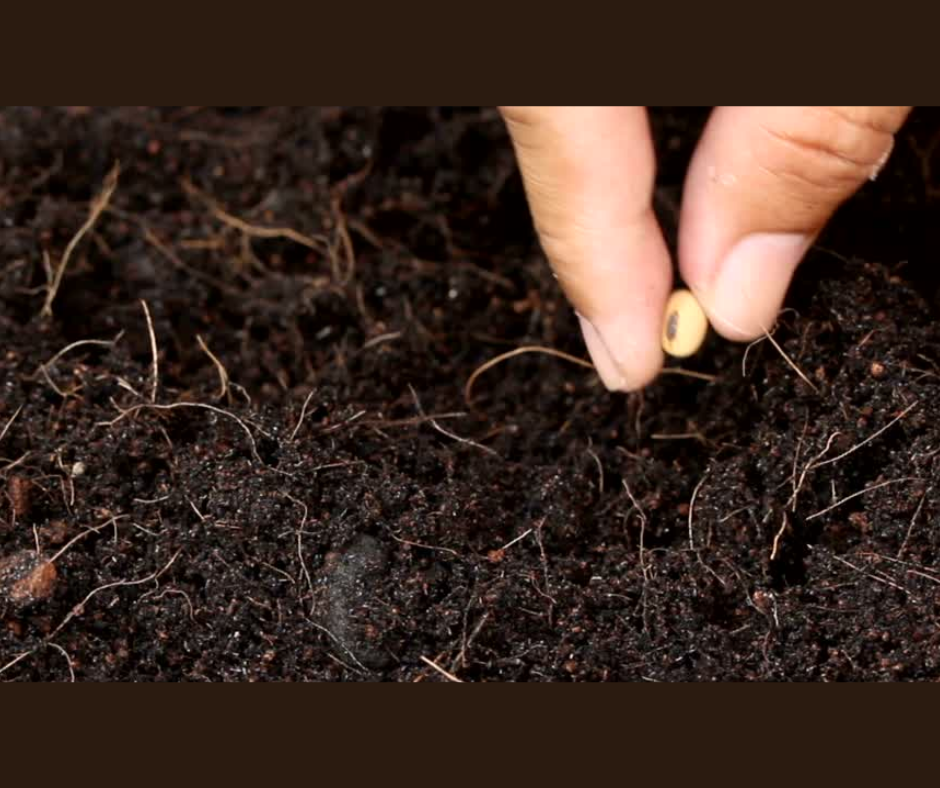
Seeds are where every garden begins. For new gardeners, seed labels and terms can be confusing. Seeds fall into two main categories. Heirloom and Hybrid. Understanding the differences between heirloom and hybrid seeds plus related terms such open-pollinated and GMO plants is essential for gardeners seeking to make informed choices.
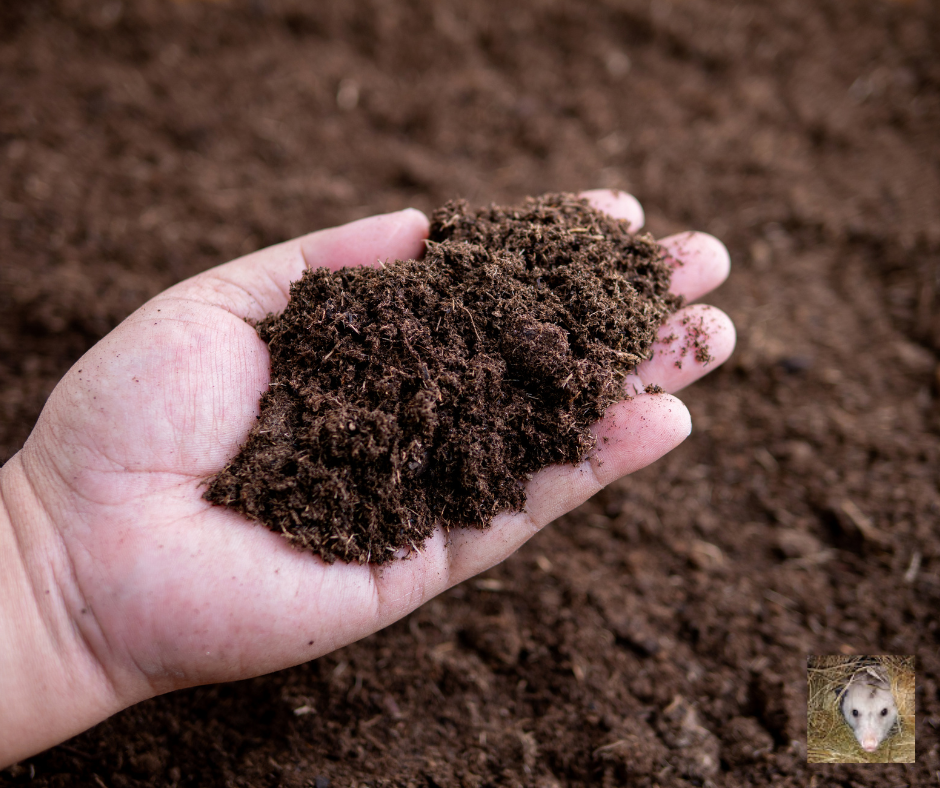
Peat moss is a common material used in gardening. It’s found in many mixes for seed starting and potted plants. Gardeners use it to improve their soil, start seeds, or fill raised beds. It is valued because it holds water well and improves soil structure. It prevents soil compaction and lowers pH which is good for acid loving plants like hydrangeas and blueberries.
Sounds great? However, there is a down side. Peat moss is not environmentally friendly for several reasons. The primary concern unsustainable harvesting and the environmental impact of peatlands, which are critical ecosystems.
Lets look at what peat moss is, how its harvested and some good replacements.