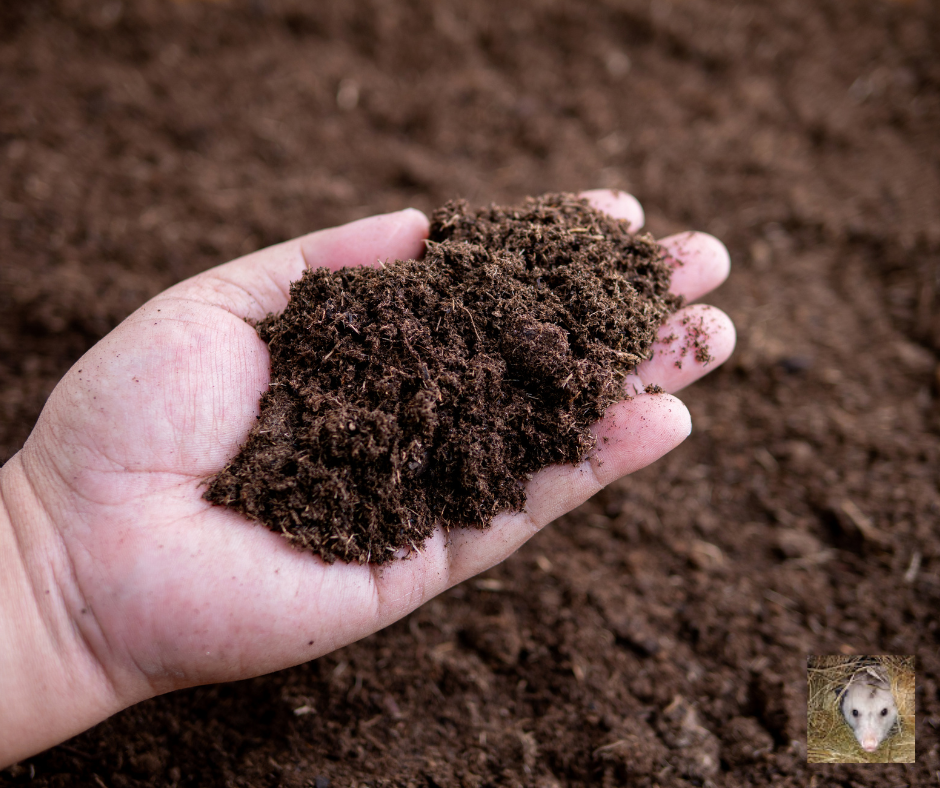
Peat moss is a common material used in gardening. It’s found in many mixes for seed starting and potted plants. Gardeners use it to improve their soil, start seeds, or fill raised beds. It is valued because it holds water well and improves soil structure. It prevents soil compaction and lowers pH which is good for acid loving plants like hydrangeas and blueberries.
Sounds great? However, there is a down side. Peat moss is not environmentally friendly for several reasons. The primary concern unsustainable harvesting and the environmental impact of peatlands, which are critical ecosystems.
Lets look at what peat moss is, how its harvested and some good replacements.
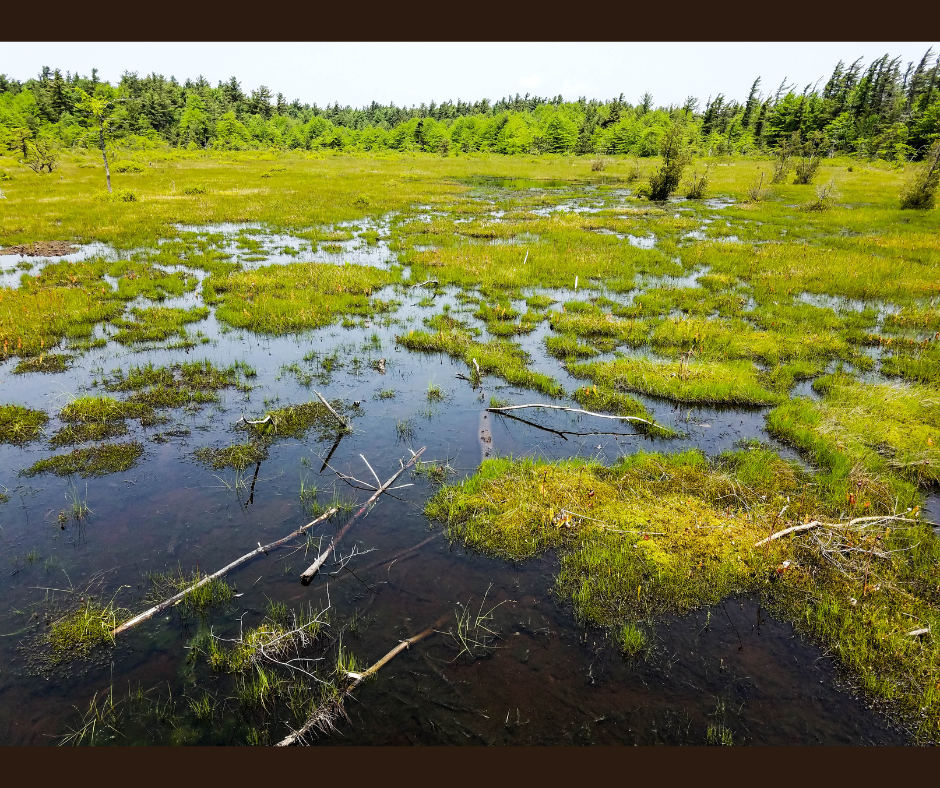
Peatlands/Bog/Wetlands
What is Peat moss?
Peat moss comes from peatlands, mires and bogs. These wetlands form in cool, wet climates where plant material breaks down very slowly. Over thousands of years, layers of partially decomposed plants build up and create peat.
The plant most associated with peat moss is Sphagnum moss. As sphagnum grows and dies, it accumulates in waterlogged conditions where oxygen is limited. Because decomposition is slow in these conditions, organic matter builds up layer by layer.
Peatlands are found in many parts of the world, including Canada, northern Europe, and parts of the northern United States. Canada is the largest producer of horticultural peat moss used in North America.
Peat forms extremely slowly. In many bogs, peat accumulates at a rate of only about half an inch a year or 1 millimeter per year. This means the peat used in a bag of potting mix may have taken hundreds or even thousands of years to form.
When peat is extracted, the bogs are often drained and destroyed, and it can take centuries to regenerate. All the wildlife, plants and microorganisms that depend on the wetland die.
Carbon Storage
Peatlands play a significant role in storing carbon. Though they only cover about 3% of the Earth’s land surface, they store approximately twice as much carbon as all the world's forests combined. When peat is harvested or peatlands are drained, the stored carbon is released into the atmosphere, contributing to greenhouse gas emissions and climate change. In essence, peatlands act as carbon sinks, and their destruction accelerates global warming.
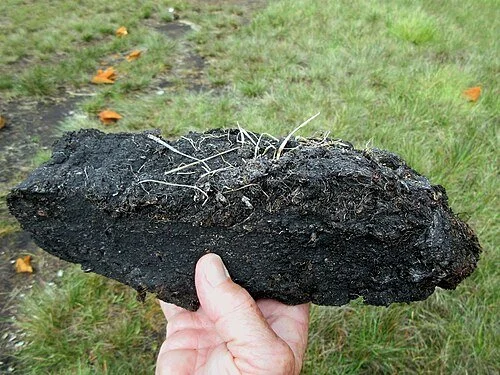
A lump of peat from Nanaimo, Canada. Photo credit: David Stanley
Biodiversity Loss
Peat bogs are home to a wide variety of wildlife, including rare plants, birds, and insects. The destruction of these ecosystems leads to biodiversity loss, as these species are often highly specialized and unable to thrive in other environments.
Some animals such as cranes or raccoons may be mobile enough to find a new wetland but that leads to issues with over crowding and carrying capacity.
The loss of important habitats for many species of plants and wildlife that are unique to these ecosystems has an impact on the food web.
Peatland ecosystems are some of the most unique on the planet, and once destroyed, they’re difficult, if not impossible, to restore to their original state.
Water Management
Peatlands also play a crucial role in water regulation. They act as natural sponges, absorbing rainwater and slowly releasing it over time, which helps to prevent flooding and maintain water quality. When peatlands are destroyed, their water management capacity is reduced, potentially leading to increased flooding and disruption of local water systems.
Alternatives to Peat Moss
Due to these environmental concerns, I have been using alternatives to peat moss.
Coconut coir – A byproduct of the coconut industry, coir is a renewable and sustainable resource that works similarly to peat moss in terms of water retention and soil aeration. I like the Back To The Roots brand. I get this one which is compressed which makes it a bit cheaper. Just add water and it expands.
Cow Pots - I admit I loved peat pots. I especially liked them for those cranky seedlings that dont like to be touched or transplanted. But I have found the perfect alternative. Cow pots work even better and the are made of manure so they add nutrients instead of taking them away.
Compost – Homemade or commercially available compost is nutrient-rich and promotes healthy soil biology without the environmental downsides of peat.
Check out my blog Composting 101- Build Your Soil
Leaf mold – Decomposed leaves create an excellent organic matter that improves soil structure and moisture retention. I like to put fall leaves on my garden beds to protect the soil from winter weather.
Author, Ame Vanorio, is the founder of Fox Run, wildlife rehabilitator, science teacher, and author. Her books are available on Amazon and other bookstores. You can also check out our resource page for digital downloads.

Gardeners use the power of composting to improve their soil and plant health. A healthy plant is a productive plant. This article will help you set up a proper compost pile and get started on the road to free nutrient-rich soil.