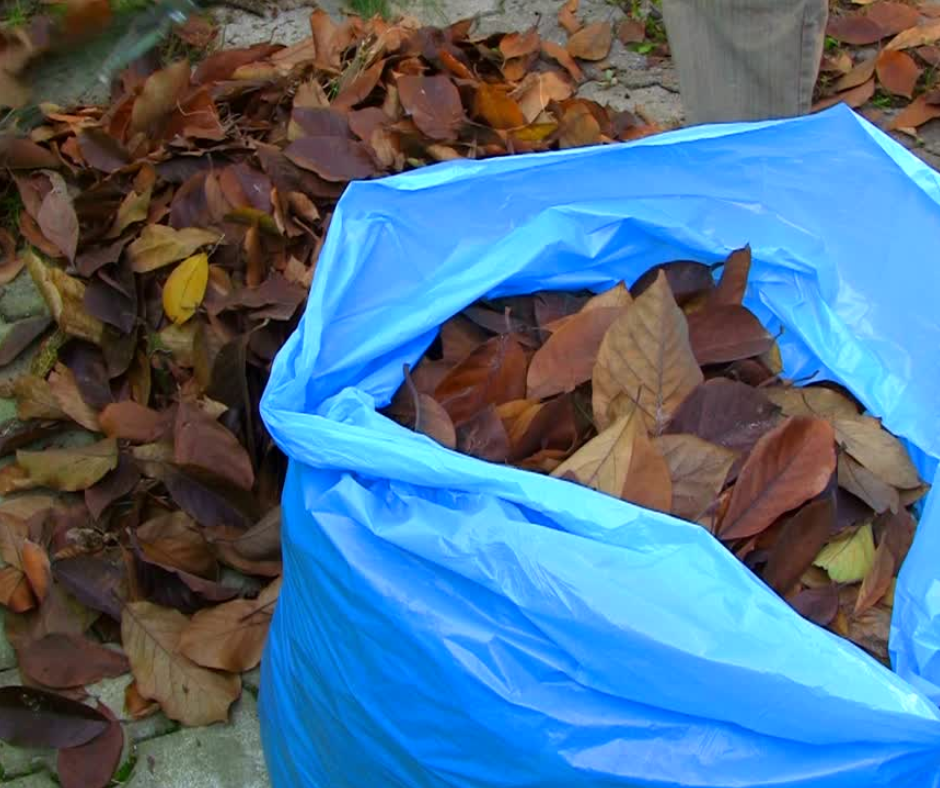
Every fall, millions of bags of leaves and garden waste are hauled away to landfills. But to an organic gardener, it isn't trash at all. It's the foundation of living soil. Pound for pound, the leaves of most trees contain twice as many minerals as manure. Today, let’s look at how you can turn your fall leaves into rich, living gold for free.
Forests build fertile topsoil simply by recycling what drops from the trees. And adding in some nice deer poop. When we mimic that in our gardens, we feed the soil, retain moisture, and protect soil during the winter.
This article covers what makes leaf mold unique, ways to use it in the garden and how it can benefit your ecosystem.
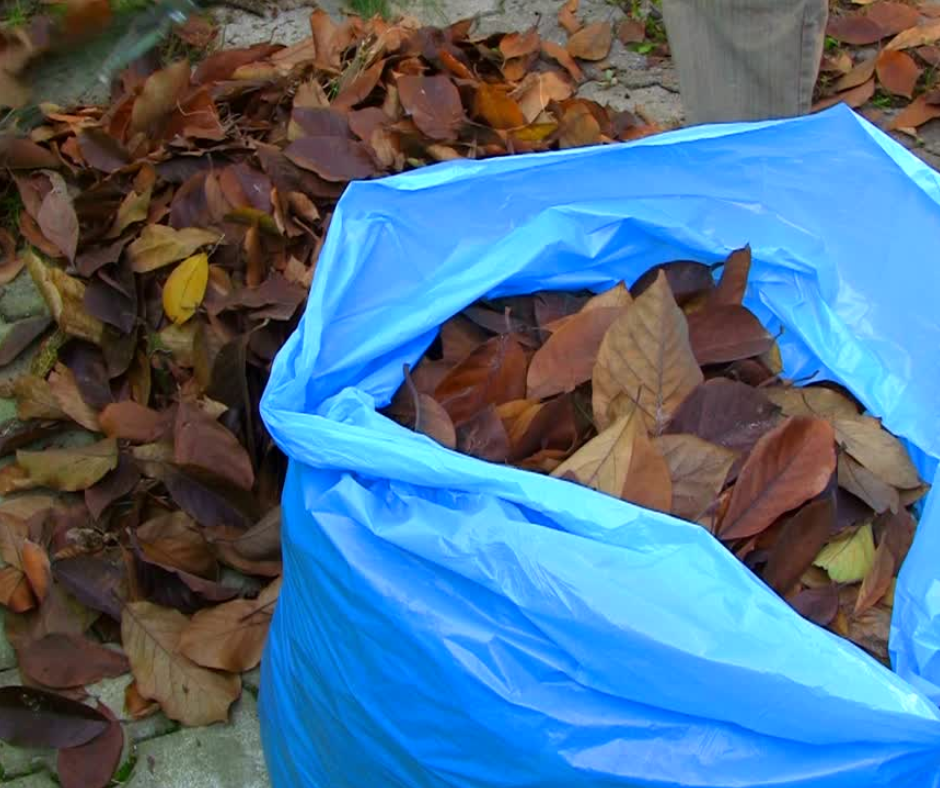
Leaves are often bagged and taken to landfills or city recycling centers.
How do Leaves Break down?
Leaves shed in autumn tend to have a very low nitrogen content and are often dry. Because of this, autumn leaves break down far more slowly than most other compost ingredients.
Traditional compost is broken down by heat-loving bacteria; leaf mold is broken down slowly by fungal networks in cool conditions. This is helpful because fungal-dominated soil is ideal for perennials and fruits. It builds long-term soil structure and moisture retention which benefits the root system.
Standard compost relies on bacterial heat breakdown and balancing greens and browns so we get a good balance. Leaves don’t always compost well if you just stuff them in a compost bin. And if you lay them flat on the garden they may become a wet matted clump during winter.
One idea that works great for leaves is just to have a loose wire bin that is exposed to the weather and gets good air circulation. If you are only putting in leaves then you dont have to worry so much about animals getting into them.
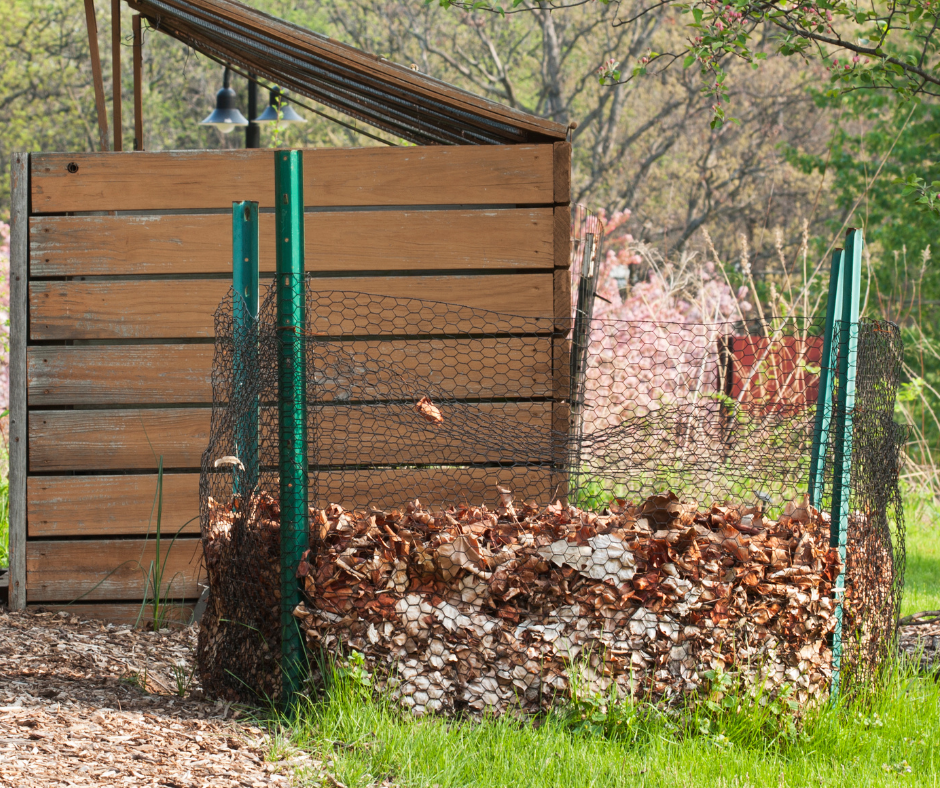
One idea that works great for leaves is just to have a loose wire bin that is exposed to the weather and gets good air circulation.
Composting Leaves In A Mixed Bin
And all this isn't to say that you shouldn't put leaves into your regular compost system. They will add a lot of value. I just want you to consider that they have different needs. They do take longer to break down compared to green materials that attract more microorganisms. And leaves need a lot of air exchange.
Mowing leaves is a great way to help them break down faster. Smaller pieces expose more surface area and prevent the leaves from matting together, which blocks airflow. A mulching lawn mower is great if you want to spread leaves on the garden.
Keep the pile as damp as a wrung-out sponge. Dry leaves will stall decomposition. Leaves need moisture to trigger fungal activity.
Read my article: Composting 101- Build Your Soil
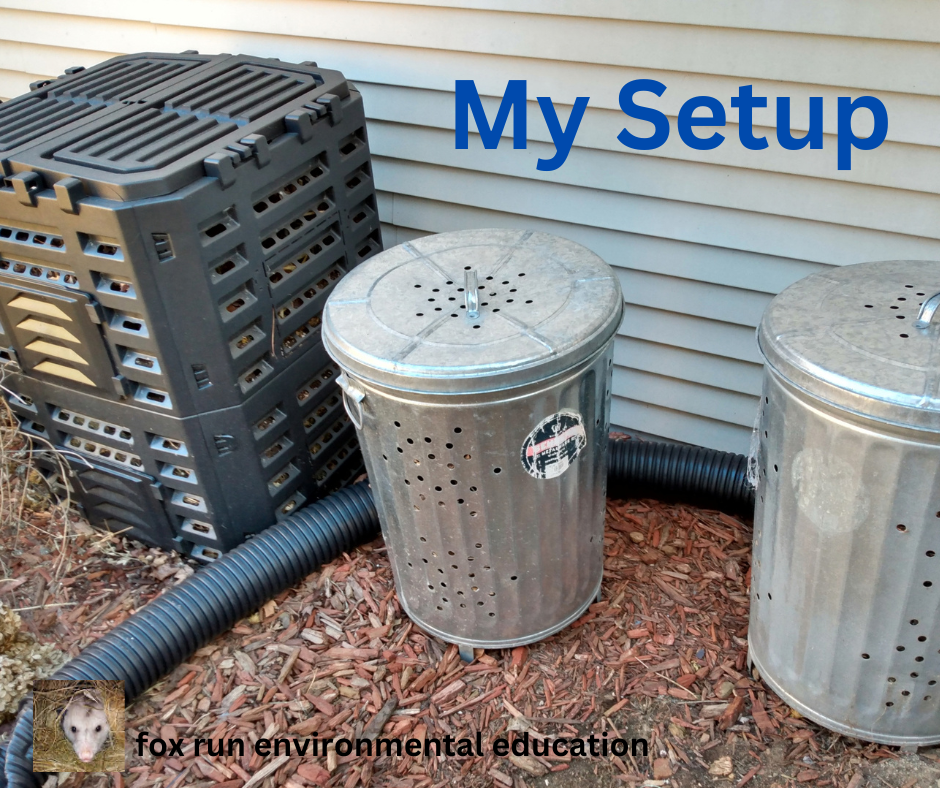
My composting system
That can be easier said then done sometimes. On the farm I just had open compost heaps but here in the suburbs I need to be aware of the neighbors and not attracting more animals then I already do. The black bin on the left does well with leaves but the metal ones just are to small and don't have as much air circulation. Also when it's dry I need to drag the hose out, remove the lids and give the compost a good soaking.
The "Lasagna" method of composting is about adding layers of greens and manures for nitrogen and browns for carbon. So if your putting everything in one space make sure you alternate layers.
You may or may not turn your compost. I have a video on my research and experience with turning compost.
Gardeners and Homesteaders love to argue the merits of turning or not turning the compost pile. Healthy gardens depend on compost but is turning necessary to develop good compost?
Trenching and hügelkultur system
Another way to compost is to dig a shallow trench in an empty garden bed or layering garden residues directly onto a raised bed. Just like you do your bin, layer the contents and then cap off with native soil or existing mulch to prevent wind loss or digging.
You can even do a hügelkultur system where you mix in leaves and branches. But this is naturally a very slow process. It will add a lot of nutrients and texture to your soil but in the long term. I have thrown in some manure in trench beds to hasten the microbial process. BTW these beds are great for plants like blueberries or raspberries but I would give them time to settle first.
Hügelkultur is a form of organic gardening that involves building raised garden beds using layers of decaying wood, branches, leaves, compost, and soil.
Leaf Nutrients in different tree species
So all leaves are not created equal. And if your anal like me this is pretty cool. The mineral content of a sugar maple leaf is over five percent, while even pine needles have 2.5 percent of their weight in minerals like calcium and magnesium. Leaves add a lot of nutrients, especially minerals like calcium to your compost.
Calcium is important for plants because it regulates cell division and elongation in root tips, young leaves, and shoots. Shortages appear in new leaves and fast-growing fruit, causing disorders like tip burn in lettuce and blossom end rot in tomatoes.
Oaks are up to 8% minerals but are slower to decompose because they have a high carbon-to-nitrogen ratio. Both have low NPK but it is organic and free. Where they really shine is in minerals.
Avoid putting black walnuts or rhododendron leaves in compost because of high-juglone or grayanotoxins that would be bad if it ended up near sensitive nightshades or pets.
Leaf Cover In winter
Using leaves as a winter cover protects garden soil, insulates perennial roots, and supports overwintering pollinators. Bare soil loses topsoil to winter wind and heavy rain. The leaves can blow around some if your winter is windy so sometimes I cover with some fencing wire or an old floating row cover.
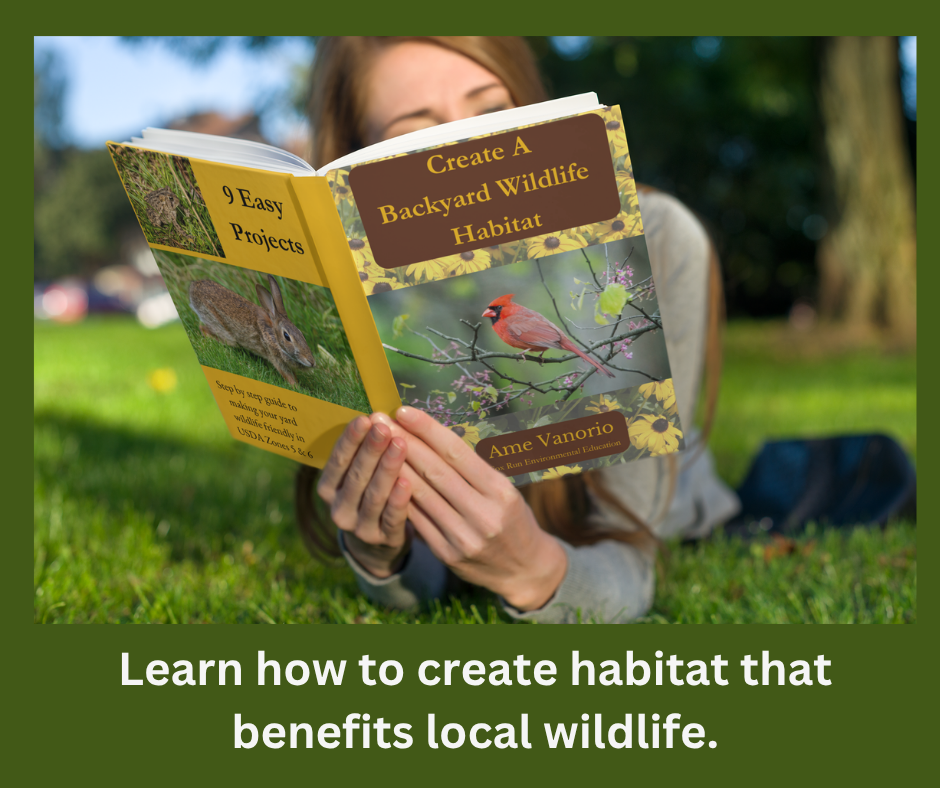
Read my book on how to create an eco-friendly garden space
Leaves Benefit the ecosystem
And that gets us to the importance of leaves in the ecosystem. Leaves provide winter shelter for beneficial insects like ladybugs, ground beetles, and native pollinators. They provide food for earthworms and microbes.
I like to split the difference. I will rake circles of leaves around the trees for the insects. Then I leave open areas because our dog gets the zoomies and has to run around like a crazed antelope!
Also where I am in Wisconsin many butterfly species have chrysalis or larvae that over winter. Besides leaving the leaves you can make a hibernaculum to help them find shelter.
Read my article: Build a Hibernaculum For Snakes, Frogs, and Insects
So you know Im a big fan of fish emulsion for organic fertilizer. But your first step is to build fertile, organic soil through compost. Free leaves are a great way to make that happen. Check out my recommended products on Amazon.
Author, Ame Vanorio, is the founder of Fox Run EEC and has been gardening organically since she was 16 (that’s 45 years). She is a retired science teacher and wildlife rehabilitator. Her books are available on Amazon and other online bookstores.

Gardeners use the power of composting to improve their soil and plant health. A healthy plant is a productive plant. This article will help you set up a proper compost pile and get started on the road to free nutrient-rich soil.