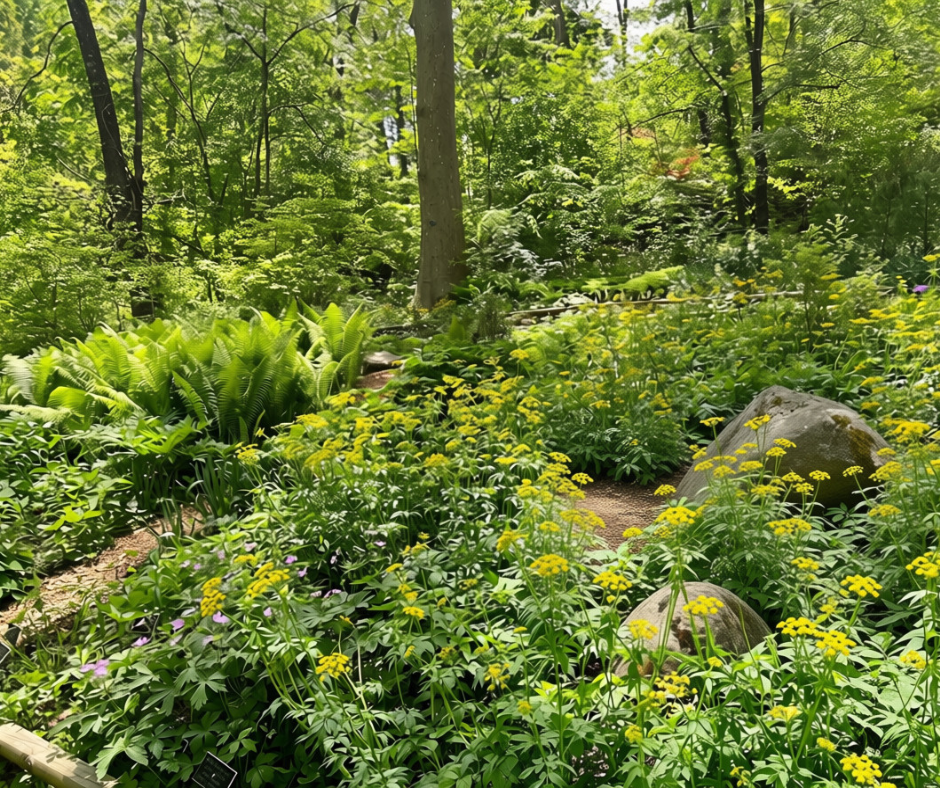
Beautiful shade gardens happen naturally in the forest. These native plants will thrive in gardens, look beautiful and benefit the eco-system. The 8 flowers we are talking about today will do well in your yard under trees and in north-facing garden beds with full to partial shade. And are well suited for zones 5 and 6.
Native plants are important because they have evolved to work with local pollinators. They are an important food source and nesting sites for insects and birds. Their long roots prevent erosion and they are typically low maintenance.
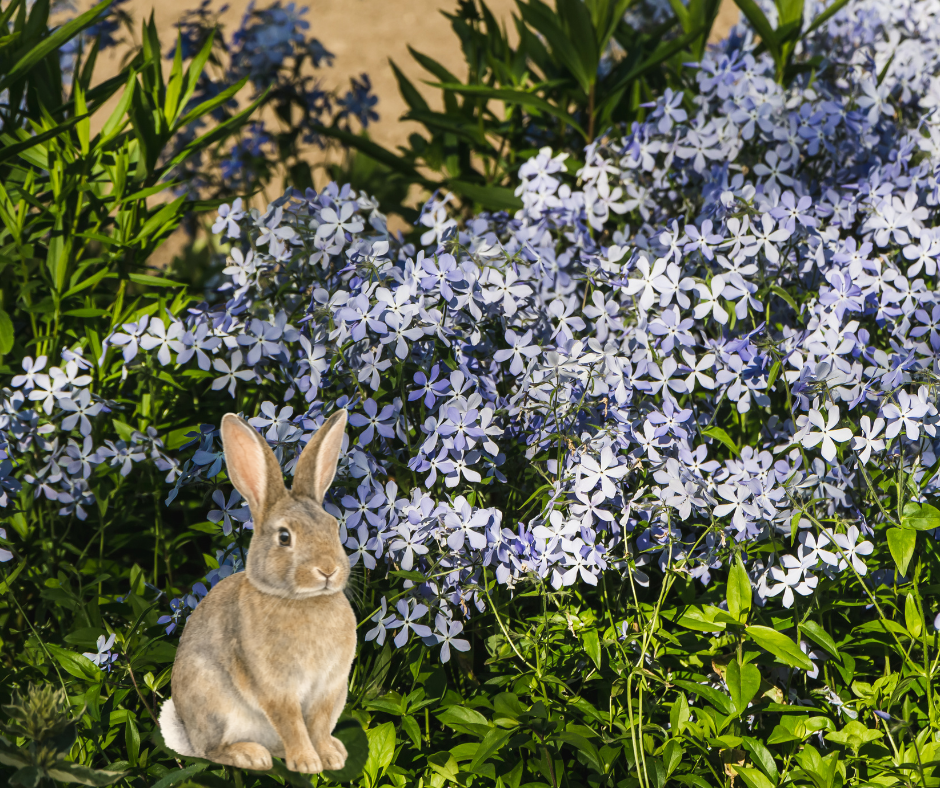
Rabbits love wild blue phlox!
Light Requirements
When I am referring to shade I am following these terms defined by the USDA.
Partial shade: receives about 3 to 6 hours of sunlight.
Full shade: gets less than 3 hours of sunlight.
Deep shade: receives almost no sunlight. This type of dense shade can be created by large evergreens or tall buildings.
Wild Blue Plox
Up first because I love it so much is Phlox. The wild blue phlox (Phlox divaricata) grows in full or partial shade and medium to drier soils. It spreads slowly by rhizomes. The flowers, atop sticky stems, are slightly fragrant and range in color from pale blue to lavender.
Rabbits love this plant so keep that in mind depending on if you want to support the local bunnies or not. Phlox also attracts a lot of butterflies. It's a low grower and looks great along walls or in rock gardens. Short and compact, growing about 10 to 18 inches tall and blooms from April to June. It is hardy in zones 3a to 8b.
Wild Blue Phlox grow well with early blooming spring woodland ephemerals such as bellwort, Jack in the Pulpit (Arisema spp.), and trilliums. It does best in partial shade and moist, rich, well-drained soil. Woodland phlox can be propagated by seed, but it requires cold, moist stratification for 30 to 60 days, followed by warm conditions to break dormancy and germinate.
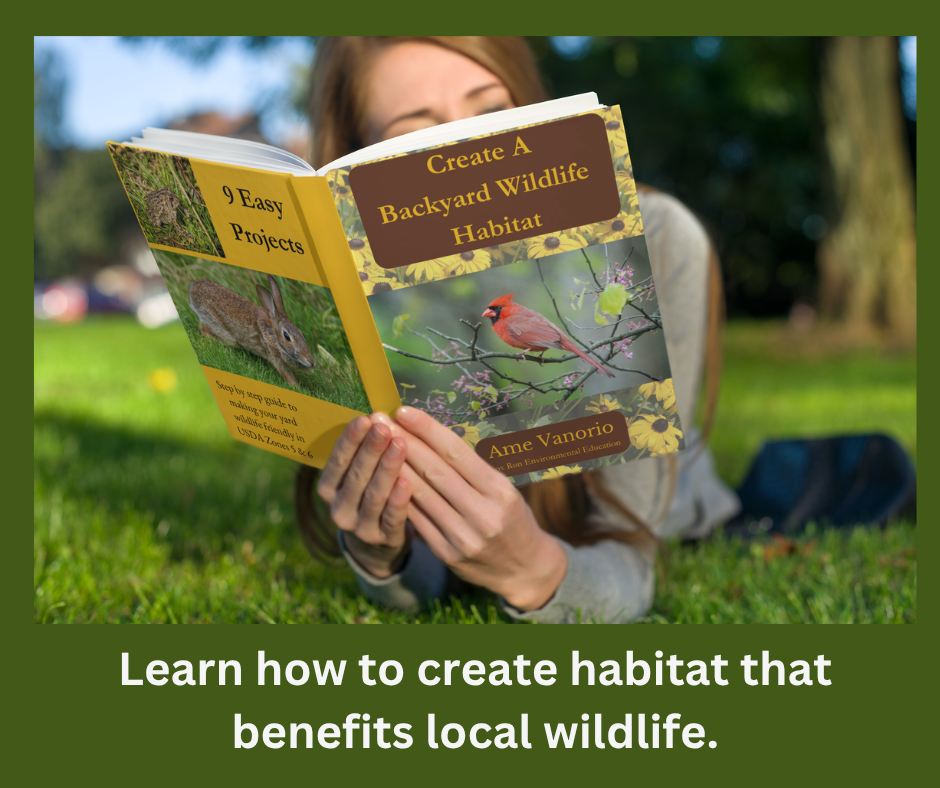
If you are looking to grow a native garden and support local wildlife I have a book to help you get started! Development leads to habitat destruction so planting native plants gives back to our community - our wildlife community that is!
Wild Columbine
Wild columbine (Aquilegia canadensis) is a beautiful delicate flower that blooms in the spring. Tolerates deep shade but prefers part shade. It will actually grow under pines which is a big plus. It does like well draining soil so mix in plenty of compost or even some sand if you have heavy clay soil.
Columbine grows well from seed planted in the fall. For spring you will need to stratify or stick the seeds in the refrigerator for 60 days.
Columbine attracts hummingbirds, bees, and butterflies, and is the larval host plant of the Columbine Duskywing butterfly. It is also deer resistant.
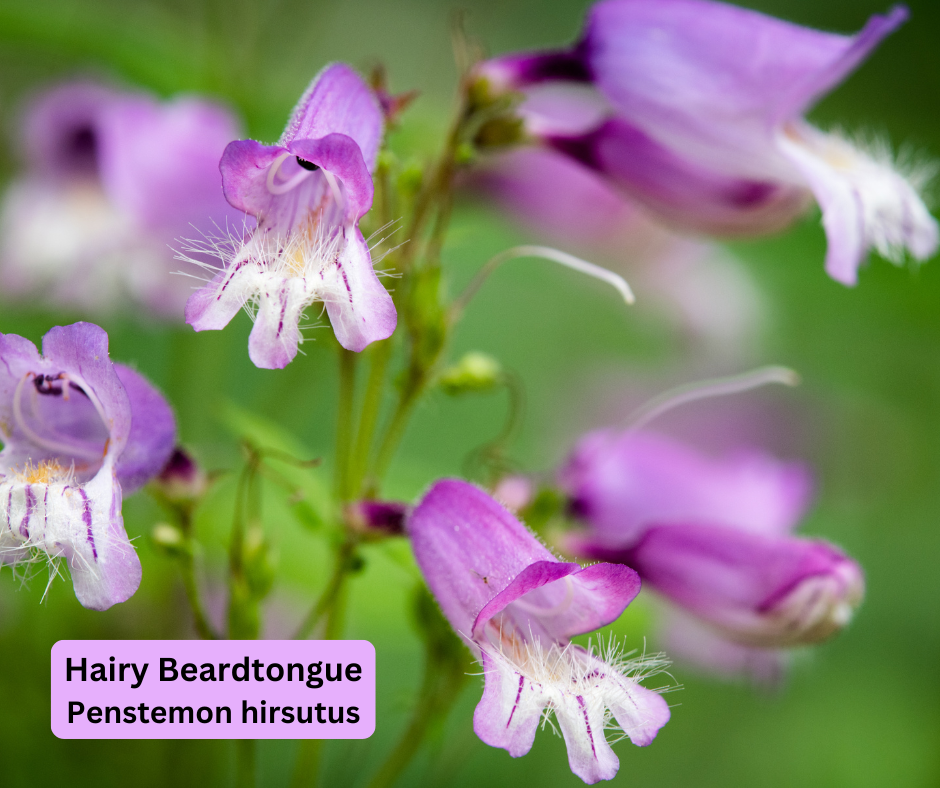
Hairy Beardtongue
Another fan of the hummingbird is the Hairy Beardtongue (Penstemon hirsutus). You can see the cute fine hairs covering the plant's petals that gives its name. They grow to about 18 inches and do best in partial shade. They also prefer cooler temps and do well in zone 5. They bloom in May and June and attract bees and butterflies as well as hummingbirds.
If you are in the southern part of zone 6 or even 7 or 8 try the showy beardtongue. Its a bit more heat tolerant then the hairy beard tongue. Another plus is that they do very well in containers on a patio.
Mostly found in woodlands in the wild, it looks fabulous in the springtime! They will readily self sow and have a unique way of spreading their seeds. The seeds are in a pod and as it dries, it literally catapults the seeds away from the parent plant.
Heartleaf Foamflower
Heartleaf Foamflower (Tiarella cordifolia) thrives in partial to full shade and likes moist, organically rich, and well-drained soils with an acidic to neutral pH. Hardy in USDA Zones 4 - 9.
Foamflower produces spikes of star-shaped, white flowers that tower 1-2 feet above the leaves. Bloom time varies between March and July, depending on zone. The foliage forms a low to the ground. In fall the leaves turn beautiful shades of red and bronze.
Attracts native bees, butterflies, and other beneficial pollinators. They can be hard to start from seed so best to buy potted starts and transplant.
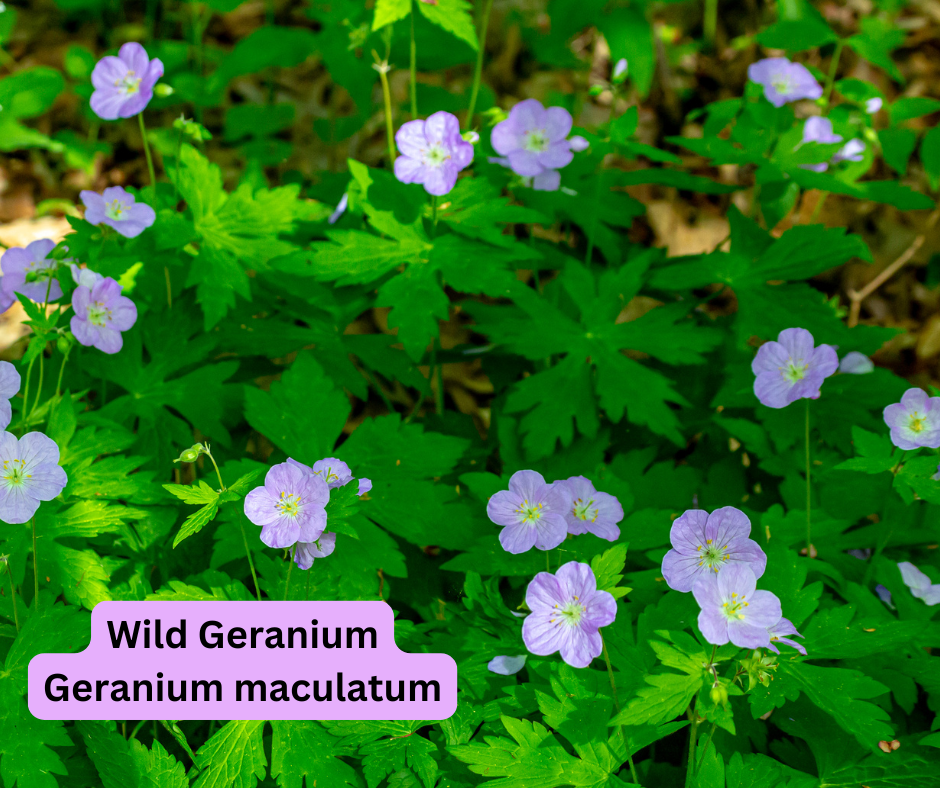
Wild Geranium
Ideal for shady woodland gardens, Wild Geraniums (Geranium maculatum) native to deciduous woodlands of eastern and central North America, USDA Zones 3 through 8. Can handle deep shade.
Wild geraniums (Geranium maculatum) can show summer stress and look wilted so plant them with some later bloomers like asters. This is another plant that does well if you seed them in fall.
Wild geranium is a fabulous pollinator plant and attracts a variety of bees, butterflies and moths. Ants and beetles also visit the flowers. Flowers for about one month from late April or May through June.
Sowing seeds outdoors in the fall is the best way to easily propagate wild geranium. Otherwise they need stratification for 60 days.
9 herbs that do well in shady spots in your garden or on the patio. Includes black cohosh.
Black Cohosh
I talked about this plant in my video on shade loving herbs. Black Cohosh (Actaea racemosa) makes such a cool flower stalk and looks fabulous at the back of a bed. They are summer bloomers so will pick up the slack after your spring bloomers. They are a powerful medicinal herb but the downside is that it is a very slow grower.
They are native to eastern North America in USDA zones 3 through 8 and will thrive in full shade but will tolerate part shade as long as its morning sun. They need rich, moist, well-drained soil with a slightly acidic pH of 5.5 to 6.5.
Fun fact: They are in the buttercup family and is deer and rabbit resistant. Caution: The fruit and berries of the plant are poisonous to humans and mammals.
The seeds can take a full year to germinate so buy this plant as bare roots from a nursery. Bees love it.
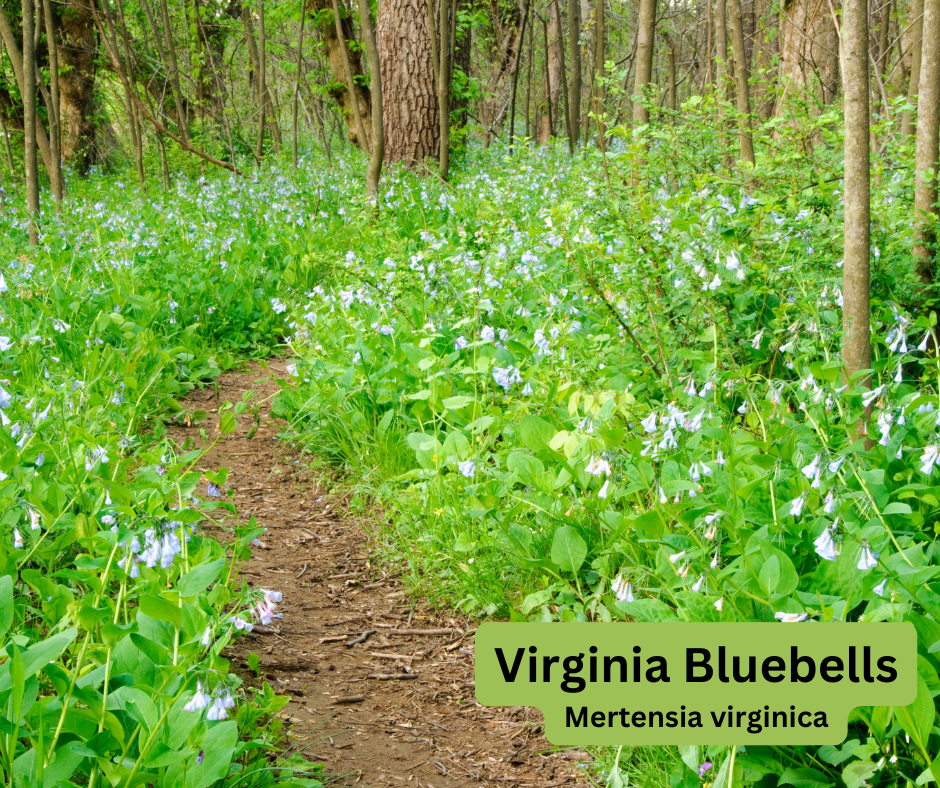
Virginia Bluebells
One of the most beautiful species of spring ephemerals are Virginia Bluebells (Mertensia virginica) In the forest they form large colonies. They grow fast and are one of the earliest native bloomers. The blooms will last for several weeks in early spring and the plants will go dormant by mid-summer. So plant them around ferns and sedges who will take up the slack for summer.
Bluebells have an important relationship with bees. The bees are needed for cross pollination and the bluebells provide critical early food for several native bee species. So an excellent plant to have in your landscape.
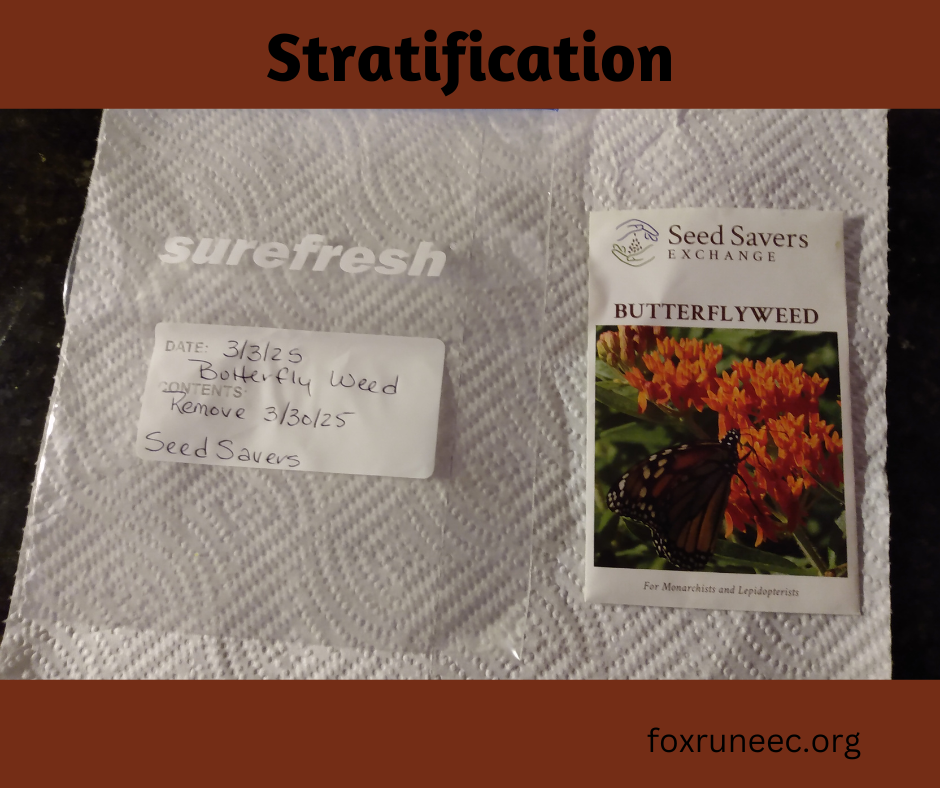
Here I am doing the paper towel method. See below. Photo by Ame Vanorio
Stratify
Many of the flowers we are going to talk about need a chilling period before they will grow. A great time to seed them is in the late fall. The same way we do with daffodils but of course not so deep.
Paper Towel Method (what I’m using in the above picture)
Dampen: Moisten a paper towel so it feels damp like a wrung-out sponge, not dripping wet.
Place Seeds: Spread the seeds out in a single layer on the towel so they do not touch each other.
Bag and Seal: Fold the towel and slide it into a labeled Ziploc bag.
Refrigerate: Place the bag in the back of your refrigerator for the amount of time needed for your species.
Mark Your Calendar: Mark a calendar or set a notification on your phone.
This video looks at what makes leaf mold unique, ways to use it in the garden and how it can benefit your ecosystem and beneficial insects.
Leaves Are Important
When you are done playing with your leaves this fall remember to leave the leaves. Placing them around your native plants and seed beds will protect the roots, add nutrients over time and give beneficial insects a place to hide and rest.
Pound for pound, the leaves of most trees contain twice as many minerals as manure. check out my video above or read my article Leaves! Stop Throwing Away Your Garden's Best Fertilizer.
Author, Ame Vanorio is the founder of Fox Run EEC, a environmental educator, and author.

Sometimes we get so caught up in gardening out in the sun that we forget that many fruits are native to woodland areas. Native fruits are often shade tolerant and will produce fruits in 4-6 hours of sun a day.
These 9 fruits will give you great yield in shade and are quite hardy.