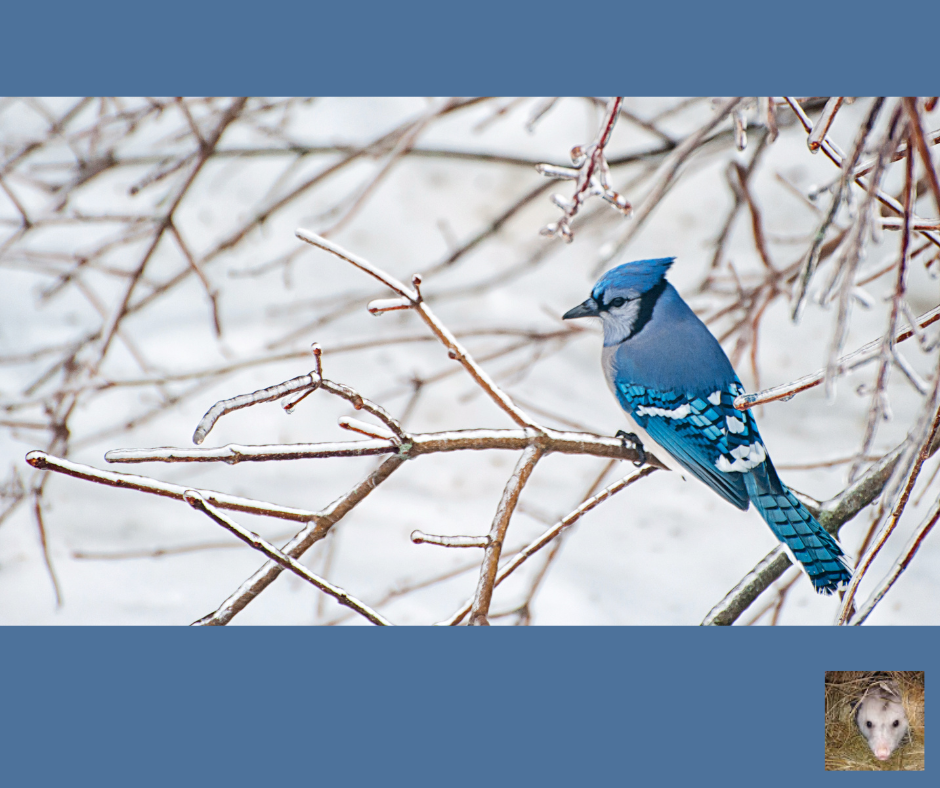
Winter is a tough season for birds. Food is scarce, temperatures drop, and daylight hours shrink. Yet many birds stay right where they are and survive just fine. They do this through a mix of physical adaptations and behavior changes.
Feathers
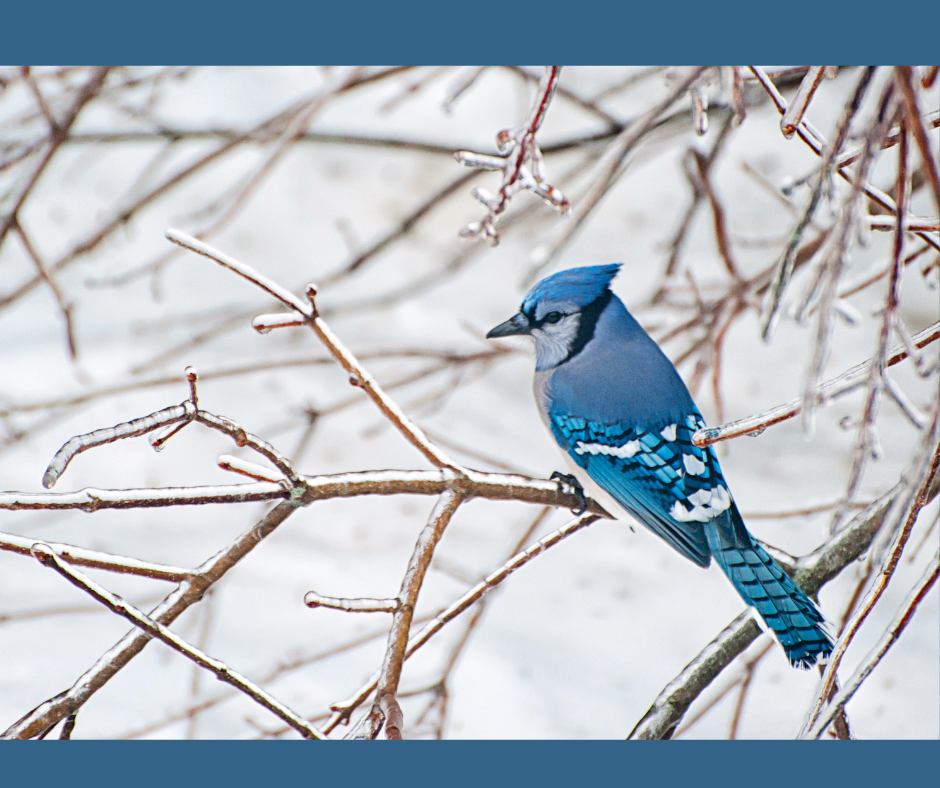
Feathers are a bird’s first defense against cold. Winter feathers are not just for flight or color. They trap air, which acts as insulation. Many birds grow extra body feathers in fall, increasing their insulation without adding much weight.
Birds also fluff their feathers in cold weather. This creates air pockets that hold heat close to the body. You’ll often see a bird look “round” on a cold day. That is not fat, it is trapped warm air.
Under the outer feathers is a layer of down. Down feathers are soft and excellent at holding heat. This system works so well that birds can maintain body temperatures around 104–108°F even when air temperatures are below zero.
Fat And Heat
Many birds increase their body fat in fall. Fat serves two purposes. First, it stores energy for long, cold nights when birds cannot feed. They use up those fat reserves shivering to stay warm. Second, fat adds a small amount of insulation.
Small birds like chickadees and nuthatches may lose up to 10 percent of their body weight just in one night. During the day, they must eat constantly to rebuild those energy reserves. This is where winter feeding of seeds can help birds who may have fewer native plants.
Some species can adjust their metabolism at night, lowering body temperature slightly to save energy. This controlled energy reduction is called torpor and is common in small birds during extreme cold. Read my article Nighty Night, Sleep Tight! Hibernation, Brumation and Torpor Explained
Birds may roost together at night to share body heat. Tree cavities, dense evergreens, brush piles, and even snowbanks provide shelter from wind and predators. I have a big white pine behind my house and the chickadees, finches, and cardinals are all up in it.
If you want to see the products I use and recommend check out my Amazon Storefront.
What Do Birds Eat In Winter?
Winter changes what and how birds eat. Insects are scarce, so many species shift to seeds, nuts, berries, and even stored food.
Some birds cache food in fall. Chickadees, jays, and nuthatches hide seeds in bark crevices, soil, and leaf litter. They rely on strong spatial memory to find these caches months later, even under snow.
Birds also reduce movement during extreme cold. Flying burns energy, so winter birds often stay close to reliable food and shelter. One reason backyard feeders become high-traffic areas in winter.
Timing matters too. Birds feed heavily in the morning and late afternoon, building energy reserves before nightfall. During storms, they may stay hidden for hours or even days.
Bird Legs
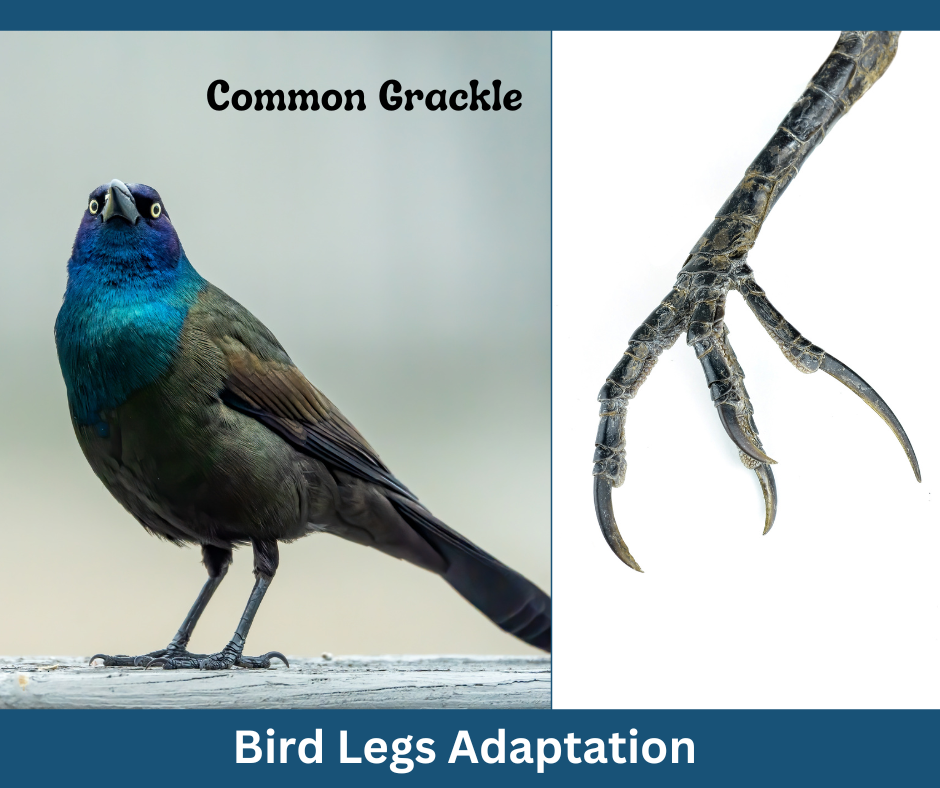
Bird legs look vulnerable, but they are well adapted to cold. Most heat loss happens from areas with high blood flow. Birds use a system called countercurrent heat exchange. Warm blood flowing down the legs transfers heat to cold blood moving back toward the body. This reduces heat loss at the feet.
Scales on legs and feet also lack muscles, which reduces the need for blood flow. This allows birds to stand on ice or snow without freezing, as long as their core temperature stays stable.
Stay Home - Don’t Migrate
Species that live in cold climates year-round, like grouse, ravens, and owls, show extreme cold adaptations. Some grow feathers on their legs and feet. Others have dense plumage or large body size, which reduces heat loss.
Some owls and hawks stay because they can still hunt or forage in winter. For these birds, migration offers little advantage.
Migration is not about cold - it is about food. When food stays, birds stay.
Migration is risky. It requires huge amounts of energy and exposes birds to predators, storms, habitat loss, and human hazards. If a bird can survive winter where it is, staying put is often safer.
Not all birds follow strict rules. Some species like the common blackbird are partial migrants. Things like weather, food supply, age, and competition all play a role. This flexibility helps species survive unpredictable conditions.
Plant these native bushes for wildlife to provide essential food and shelter in your winter garden all season long. This guide highlights five specific native bushes for wildlife that support birds and small mammals like possums during the colder months.
Feeding Birds
So lets talk about helping birds with supplemental feeding and creating backyard habitat. Birds eat a variety of foods according to their species. So a variety of foods and feeders will attract many different species of birds.
Energy is important in winter and many birds will enjoy having suet. Always feed natural whole foods to birds. Clean, raw seeds and nuts that are unsalted and not roasted.
Keeping your bird feeders clean is very important. Think of your bird feeder like a busy restaurant. How would you like to be seated at a table that had not been bused or cleaned before you sat down?
Cleaning your bird feeders weekly will help prevent bird diseases. Food can quickly get moldy in wet weather and fungi and bacteria will grow even in low temperatures.
Clean with warm water and just a tad of dish soap. Make sure to take the feeder apart and scrub in all the crevices. Rinse thoroughly. A metal bird feeder does have the advantage of being easy to clean.
This article tells you about the bird feeders I have in my yard! My Favorite Bird Feeders In My Backyard
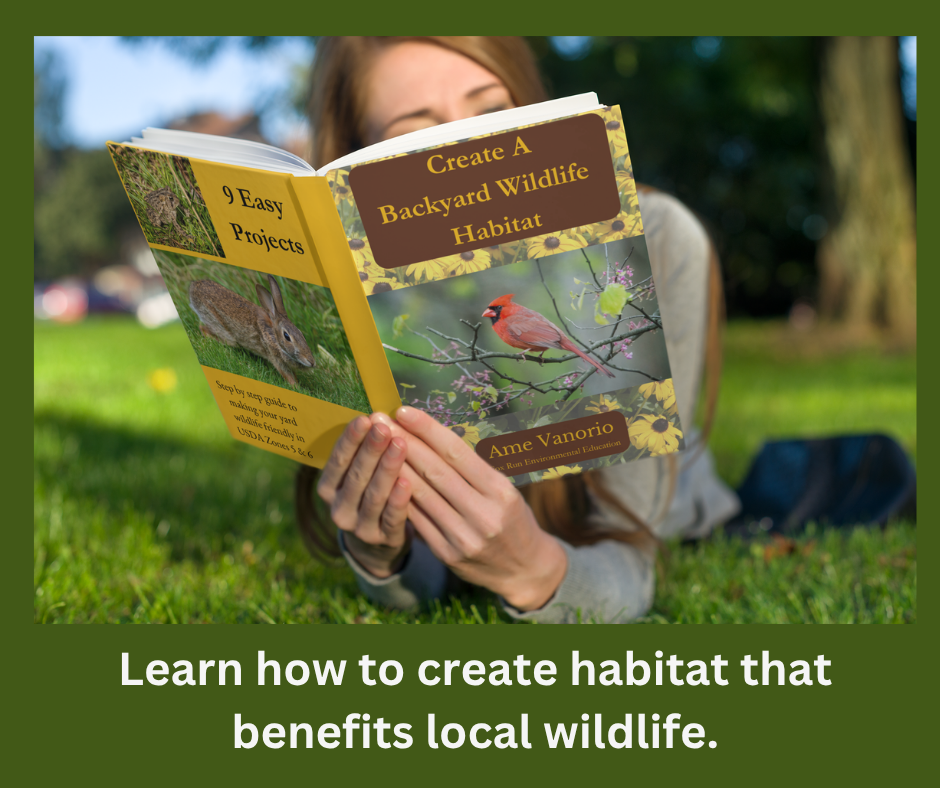
My book will help you choose plants for your yard (big or small) that will help the local wildlife
The best support we can offer is habitat. My next book will be coming out soon on creating backyard habitat. If you have a yard, planting native trees, seed-bearing plants help birds in winter. Not cutting down a dead tree can help provide shelter for birds and insects. Trees and bushes offer natural shelter that help birds survive winter on their own terms.
Watching birds in winter will bring joy to your heart. And one advantage is they are often easier to see with no leaves.
Check out my article Birding For Families: Simple Ways To Connect With Nature
Author, Ame Vanorio, is the founder of Fox Run EEC, a Master Gardener, and wildlife rehabilitator advocate, and environmental educator. And she loves her backyard birds!!
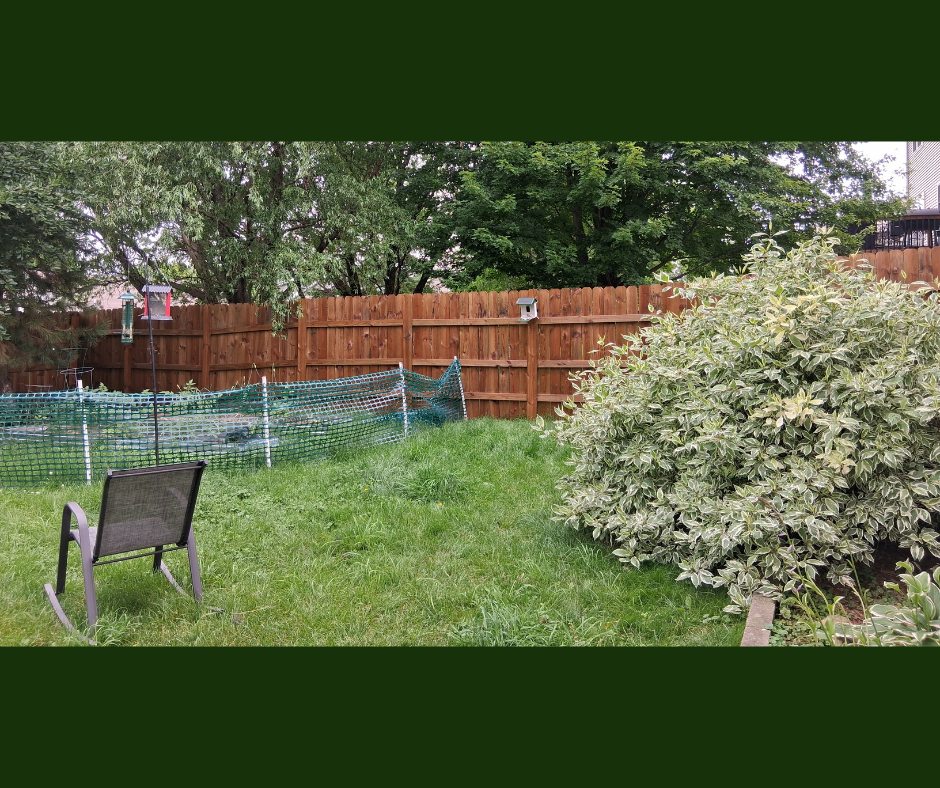

Rest and Relaxation. Catching some ZZZ’s. Hibernation, Brumation, and Torpor are all animal responses to dealing with the need to conserve energy and slow down. I explain what they are and how wildlife gets through the cold months every year.
Hibernation, Brumation, and Torpor are biological reactions to the environment. By slowing down their metabolic rate animals can conserve energy, have less need for food, and gain the ability to survive lower temperatures.