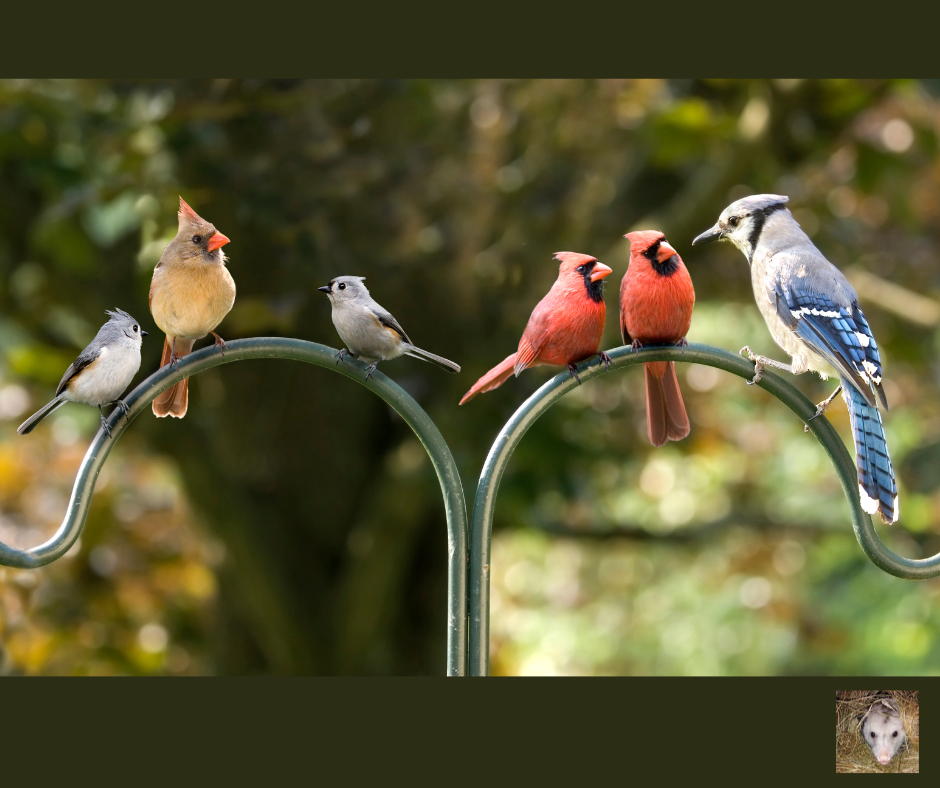
Birding is one of the easiest ways for families to spend time outside and learn about wildlife. You do not need expensive gear or special training. Birds live in cities, suburbs, and rural areas, so most families can start right in their own backyard or neighborhood. For children, birding builds observation skills and patience. For adults, it offers a quiet way to slow down and notice the natural world.
You do not need special training to begin. Just start observing birds in your neighborhood. Listen for bird calls. Watch how birds move and interact with their environment. Once you start recognizing familiar birds advance to a guide book and binoculars.
In this article I have tips to help you get started, fun activities, and what I recommend for beginners and children.
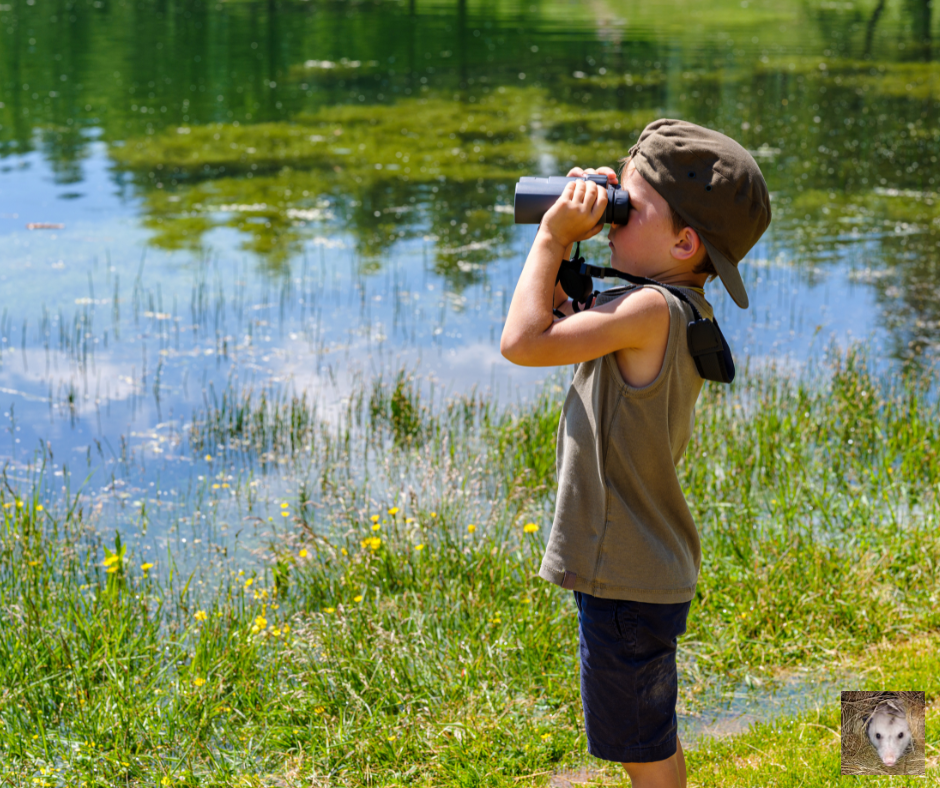
Birding is not only fun, it increases observation and problem solving skills.
Why Go Birding?
Across the United States, bird populations are facing serious declines. A large study found that North America has lost nearly 3 billion birds since 1970. When you take time to notice birds, you often become more aware of habitat loss, pesticide use, and other environmental issues. Birding builds a personal connection that leads to conservation action.
Birding teaches families to pay attention. Instead of walking past trees and shrubs, you start asking questions.
What bird is making that call?
What is it doing?
What is it eating?
This can also lead to learning about trees and how to identify them. The fun is endless!
Connect With Nature
Research shows that spending time in nature improves mental health, reduces stress, and supports child development. Birding adds a layer of purpose to outdoor time. It turns a simple walk into a scavenger hunt.
For children, birding builds science skills. They learn to observe patterns, compare species, and record data. These are the same skills used in real scientific research. Citizen science projects allow families to contribute real data that scientists use to track bird populations.
Birding also encourages respect for wildlife. When families learn how birds depend on habitat, water, and food sources, they begin to see their yard or neighborhood as part of a larger ecosystem.
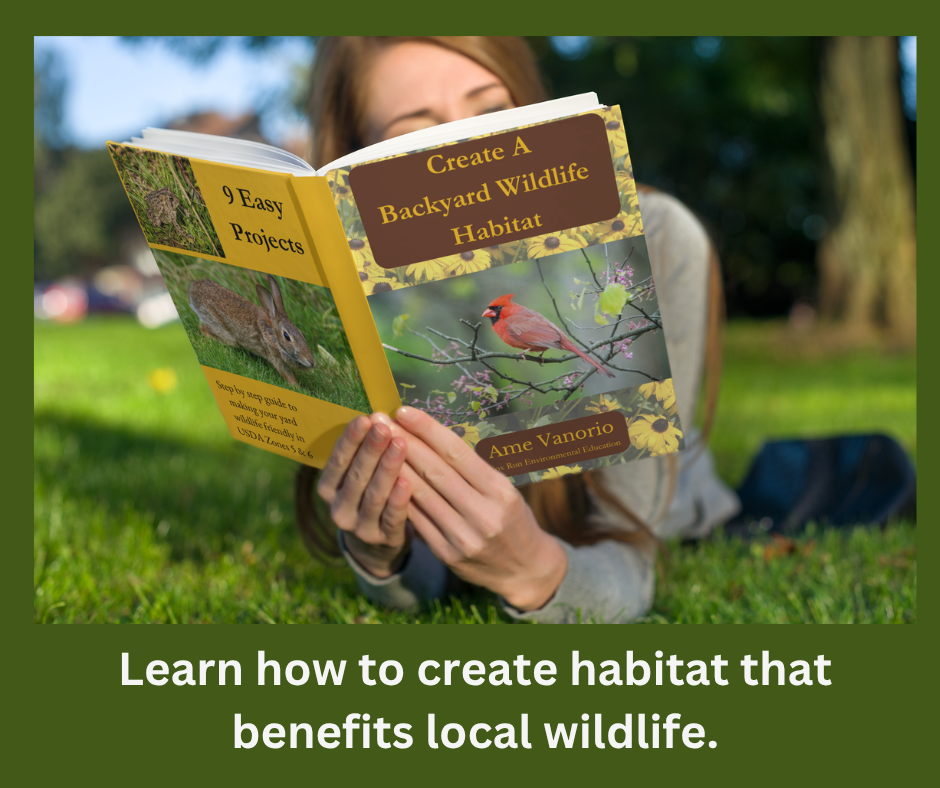
My latest book on creating backyard wildlife habitat will help you pick flowers and bushes that attract birds to your yard or balcony! As well as what types of bird food to offer.
Where Families Can Go Birding
You do not need to travel far to see birds. In fact, starting close to home often leads to better long term habits.
Backyards are one of the best places to begin. If you live in an apartment check out the complex’s green space.
Common birds like robins, chickadees, sparrows, and cardinals are active and easy to observe. Adding native plants, a bird bath, or feeders can increase activity.
Local parks are another strong option. Parks often have a mix of trees, open spaces, and water, which supports a wide variety of species. Even small neighborhood parks can offer good birding.
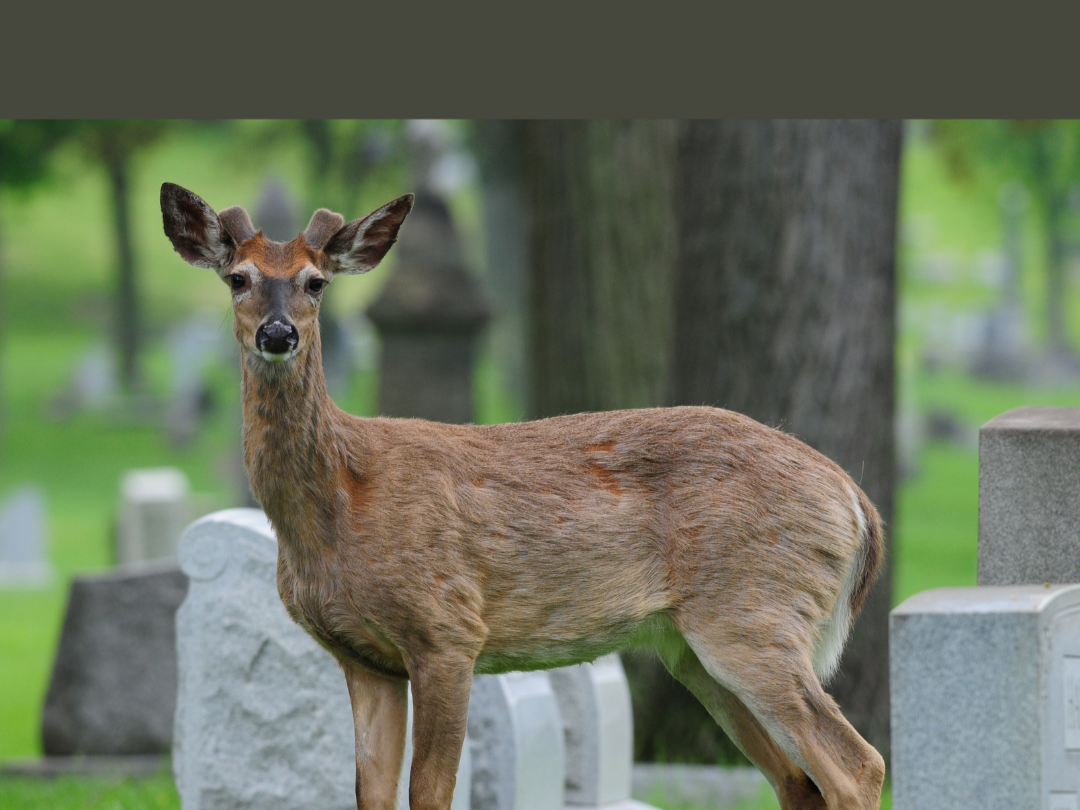
Don’t overlook the neighborhood cemetery, especially if it is an older one with mature trees. Read my blog Exploring A Cemetery : History and Nature Study PreK - 5 It’s full of fun activities to do with elementary aged children.
Nature centers and wildlife refuges provide more structured experiences. Many have trails, observation areas, and educational signs. Staff and volunteers often host bird walks that are helpful for beginners.
Wetlands and lakes attract waterfowl, shorebirds, and wading birds. These areas are especially active during migration seasons. Wetlands support a high diversity of bird species because they provide food, shelter, and nesting areas.
Forests offer a different experience. Woodpeckers, owls, and songbirds depend on tree cover. Mature forests with standing dead trees, called snags, are especially valuable because they provide nesting cavities.
Birding is one of the easiest ways for families to spend time outside and learn about wildlife. You do not need expensive gear or special training. Birds live in cities, suburbs, and rural areas, so most families can start right in their own backyard or neighborhood. For children, birding builds observation skills, patience, and a connection with the natural world.
What You Need to Start Birding
Birding does not require much equipment. Families can start with just their eyes and ears. Over time, a few basic tools can improve the experience.
Binoculars are the most useful tool. A simple pair with 8x magnification works well for beginners. They allow you to see details like feather patterns and colors.
A field guide or birding app helps with identification. Books are reliable and do not require batteries. It’s a good skill to learn how to look something up. Get a bird guide that is geared towards your area.
Stan Tekiela does a great job with easy to follow bird guides. I suggest you look at his series of Adventure Quick Guides because they are spiral bound, have color tabs, and are available for regions such as Midwest, Southeast, etc. They are very easy to use but if you are ready for the next level he also has a state series that has more information but still beginner friendly.
Apps can play bird calls and show photos, which is helpful for children. I find that sometimes its hard to use the apps when you cant get a clear picture of the bird. Also, I will say with the honesty of an old lady that when your outside maybe you need to put the phone away! That said Cornell university has a bird website Cornell Lab of Ornithology that has tons of information, classes and an app.
When I got my graduate degree in Environmental Science (back in the day) we used to carry a notebook and/or a sketch book into the field. That lets you record what they see. Writing down the date, location, and species turns birding into a science activity. Young children can draw a picture of what they observe.
Clothing matters more than people expect. Neutral colors help you blend into the environment. Comfortable shoes make longer walks easier. Don’t forget insect repellent, sunscreen, a water bottle, and a snack!
Patience is just as important as gear. Birds move quickly and often hide. Standing still and listening often leads to more sightings than constant walking.
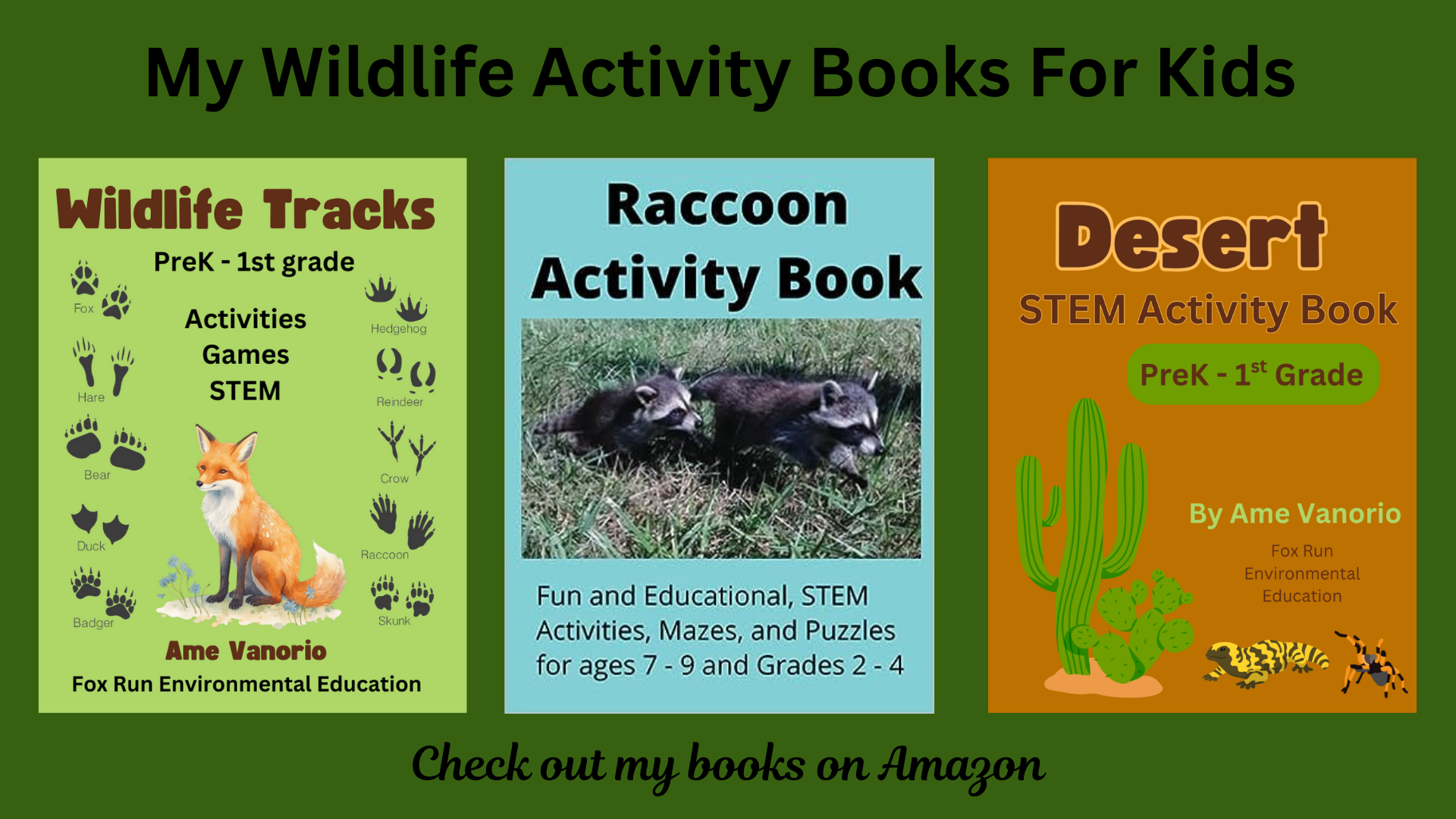
I love making science activity books for kids! Paperbacks are available on Amazon and PDF books are in my website store.
What Is a Life List?
A life list is a personal record of every bird species a person has identified. Some people keep simple lists in a notebook. Others use apps that track sightings over time.
For families, a life list turns birding into a long term goal. Each new species becomes an achievement. Children often enjoy checking off birds and comparing lists.
Life lists can be local or global. A family might keep a backyard list, a state list, or a lifetime list. This flexibility keeps birding interesting as skills improve.
Simple Birding Activities for Families
Birding works best when it feels like play, especially for younger children. Activities help keep kids engaged and focused.
One simple activity is a bird scavenger hunt. Create a list of common birds or features, such as a red bird, a bird on the ground, or a bird near water. This encourages observation without needing exact identification.
Sound mapping is another useful activity. Sit quietly for a few minutes and mark where bird sounds are coming from. This teaches children to use their hearing, not just their eyes.
Check out my article Forest Sensory Walk: Fun Nature Activities For Young Children There are so many things to hear, see, smell, taste, and touch. Plan to take a walk in the forest and use your senses to explore.
Feeder watching is ideal for beginners. Set up a bird feeder and watch which species visit. According to the National Audubon Society, feeders can support birds when natural food is limited, especially in winter.
My article Choosing The Best Bird Feeder
Nature journaling builds science and writing skills. Children can draw birds, write descriptions, or track behavior. This slows down the experience and improves attention to detail.
Migration tracking connects families to larger patterns. Many birds travel thousands of miles each year. Watching seasonal changes helps children understand how birds use different habitats. It is also a wonderful sense of joy welcoming birds back every spring.
The American Goldfinch is one of my favorite birds. They always look so happy! Developing backyard habitat and putting out feeders is a great way to support your local finches!
Eco Friendly Tips
Keep a safe distance from birds, especially during nesting season. Disturbing a nest can cause parents to abandon eggs or young.
Avoid playing bird calls to attract birds. This can stress birds and interfere with their natural behavior.
Stay on trails in natural areas. This protects habitat and reduces disturbance.
Keep cats indoors or build them a catio. Outdoor cats are a major threat to birds. Studies estimate that cats kill billions of birds each year in the United States.
A Cat Catio is an outdoor encloser where your cats can spend time outdoors enjoying the sun and sounds. They are safe and so are the birds!
Avoid using pesticides in yards. Insects are an important food source for many bird species. Reducing chemicals supports both birds and pollinators.
Birding Through the Seasons
Birding changes throughout the year, which keeps it interesting.
Spring is one of the best times to start. Birds are active, singing, and often easier to find. Migration brings new species into many areas.
Summer focuses on nesting and raising young. Families can observe feeding behavior and watch fledglings learn to fly.
Fall migration offers another chance to see a wide range of species. Many birds pass through quickly, so timing matters.
Winter birding can be very rewarding. Feeders attract birds when natural food is limited. Species, like chickadees, cardinals, and woodpeckers, stay active year round.
Author, Ame Vanorio, loves watching birds, both at her bird feeders and bird friendly yard.
Pinecones come from pine trees but all conifer trees make cones. Cedar and spruce trees also make cool cones.
There are 49 species of native pine trees in North America.
Pinecones may have different shapes and sizes depending on tree species
Pinecones protect pine tree seeds from extreme weather.
It may take more than 10 years for a pinecone to naturally fall out of a tree.
The best time to look for pinecones is autumn.