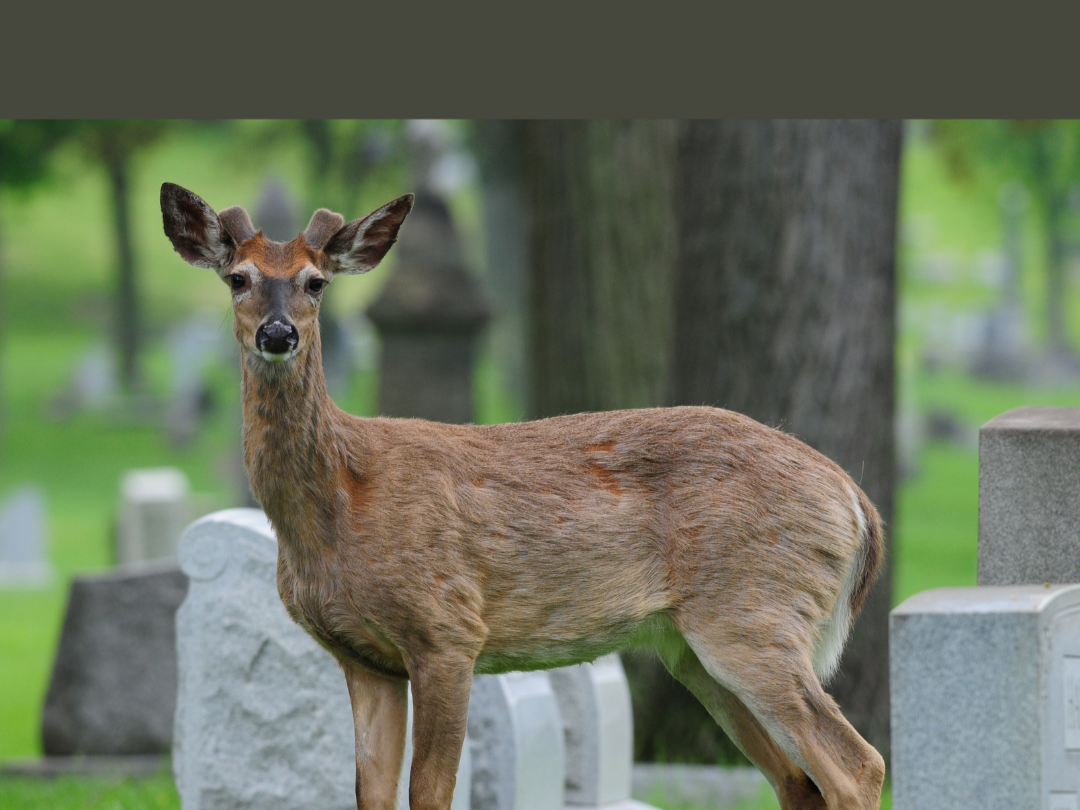

Cemeteries are fabulous places to explore nature and learn about an ecosystem. Because they are protected from development and relatively undisturbed they have a wide variety of plants and animals.
There’s nothing quite like the magic of a forest to spark a young child’s imagination. The dappled sunlight, chirping birds, earthy smells, and crunchy leaves create a natural classroom that invites exploration.
For preschoolers and early elementary-aged children, a forest sensory walk is a wonderful way to learn about the environment. Full of things to hear, see, smell, taste, and touch. Plan to take a walk in the forest and use your senses to explore.
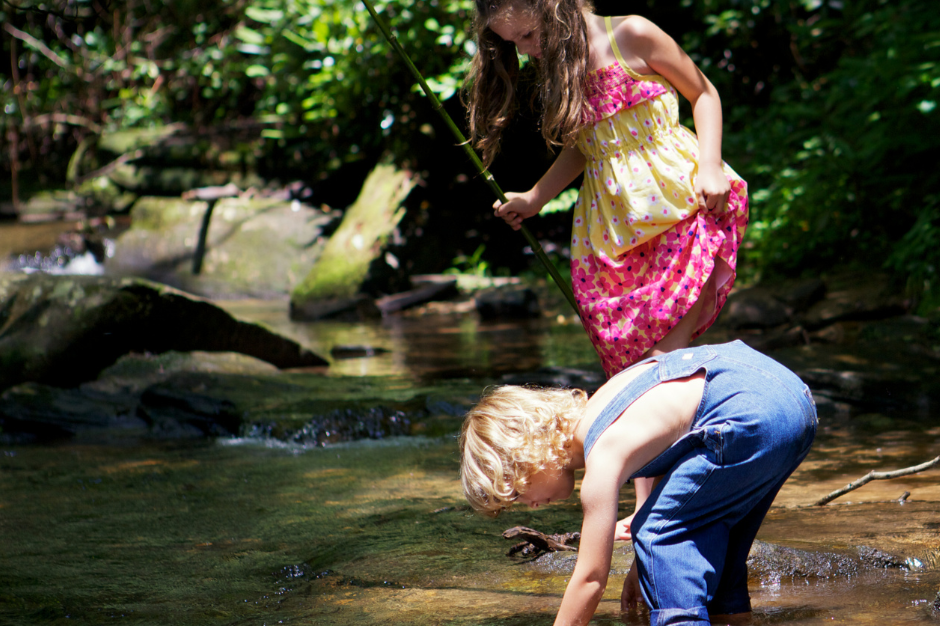
Creeks and streams provide a place for children to explore nature. Around creeks, kids can see various animals and plants that make up a complex food web. Everything is connected, and the survival of one animal is often dependent upon the survival of another.
In the United States, we have over 250 species of salamanders. The Eastern US has the greatest diversity worldwide. Salamanders are a unique group of animals. They are amphibians, like frogs, and have life stages in water or on land.
And spring and fall are great times to look for them in the wild. Im going to give you some tips on finding salamanders in the wild and some common species to look out for.