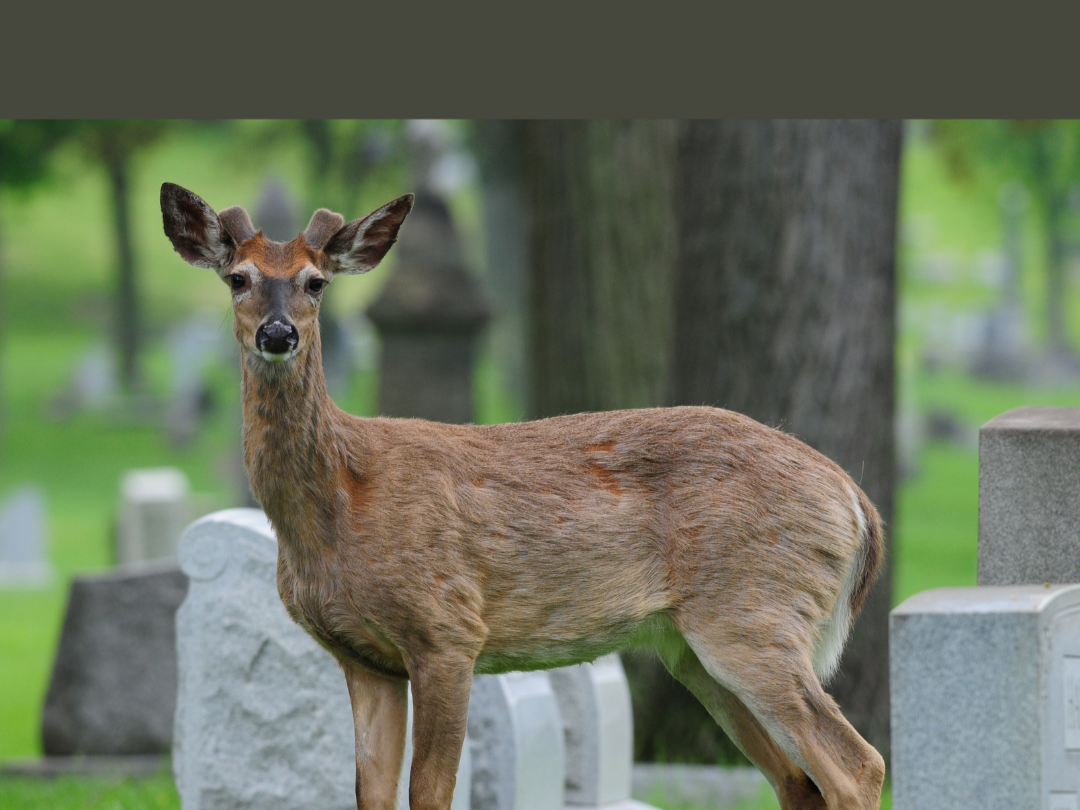
Cemeteries are fabulous places to explore nature and learn about an ecosystem. Because they are protected from development and relatively undisturbed they have a wide variety of plants and animals.
Cemeteries may be quiet places, but they are also active ecosystems. Many older cemeteries were designed like parks, with trees, shrubs, and open grassy areas. Today, they often provide habitat for birds, insects, reptiles, and mammals. This makes them useful as outdoor classrooms for nature exploration.
In this article we are going to explore fun ways you can explore a cemetery, nature activities and what to look for.
Cemeteries are great places to explore for Families, Homeschoolers and Elementary teachers.
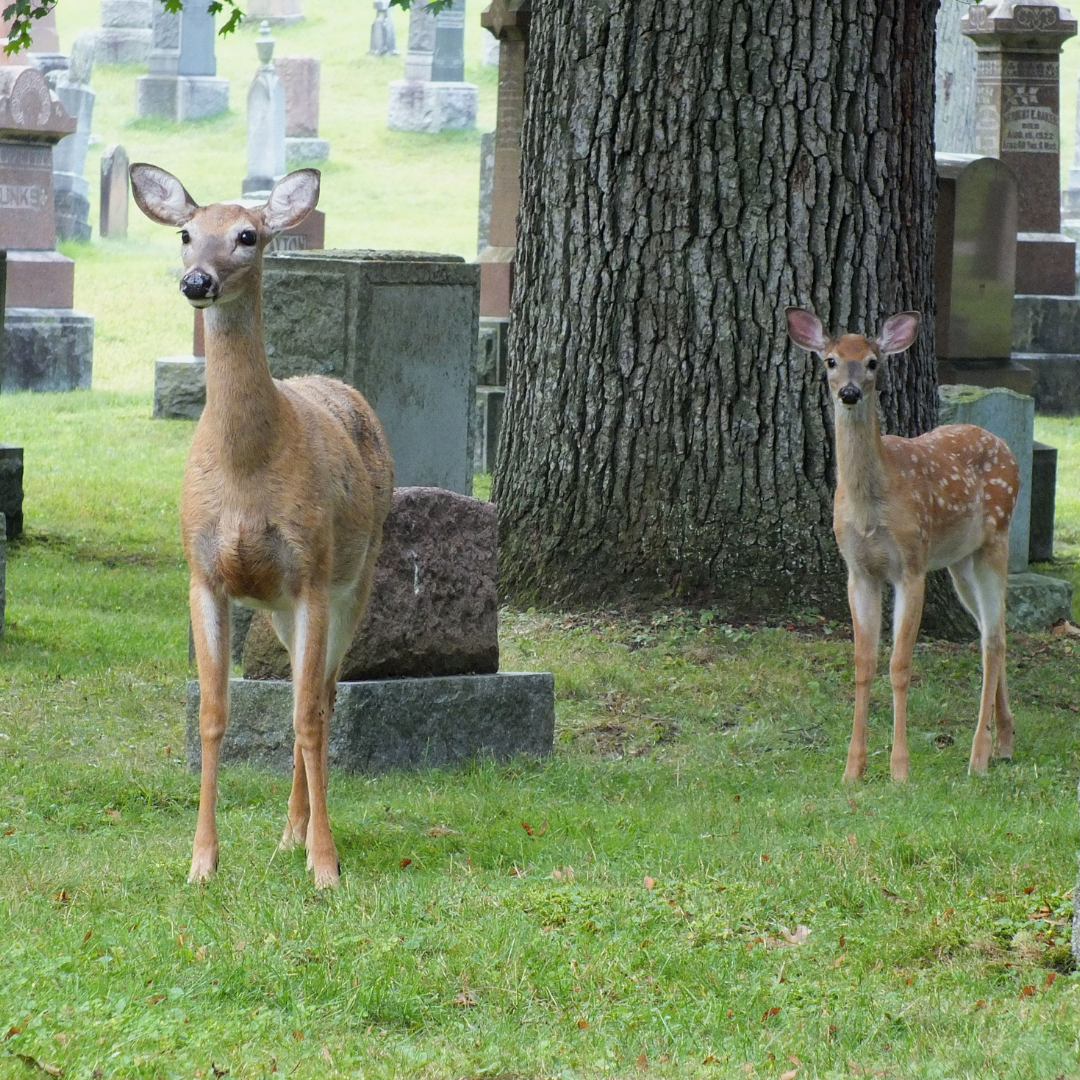
Even urban cemeteries attract larger mammals such as deer because they are home to mature trees such as oaks. Squirrels arn’t the only wild animals that love acorns!
What to Look For
Heritage Trees:
Historic sites often have tall, mature trees such as oaks, hickory, beeches that are not as common anymore in urban environments. Older trees typically get removed during building projects. These older trees are a treasure trove of various species.
Learn to identify trees using different characteristics. You can examine leaves, bark, spring flowers, and shape.
Identify Trees
Learning to identify trees is fun and challenging. It will also put you in touch with your environment. When you know the species of trees it gives you clues to the climate, what animals may be nearby, and what resources the tree may provide.
The King of the forest the oak provides support for over 2000 species.
Teach children to use a field guide. I personally think starting with a field guide is best because it requires some brain power. I love the small state guides by Stan Tekiela. Look for differences between species such as oak, maple, and pine. Pay attention to how trees grow in open versus shaded areas.
Another fun way to learn about different tree species is to compare them. Pick two different trees and look at what makes them similar and different. Some of the things that differentiate a tree: leaf type, shape, where it’s growing, texture; twigs; fruits, flowers, and seeds; bark, and the overall tree size and shape.
Ready for a challenge? Learn to identify trees by their bark. Some trees such as the birch make it easy for you. Some trees are more challenging.
If you get stuck use one of the many nature apps such as ‘Picture this’ or ‘iNaturalist’.
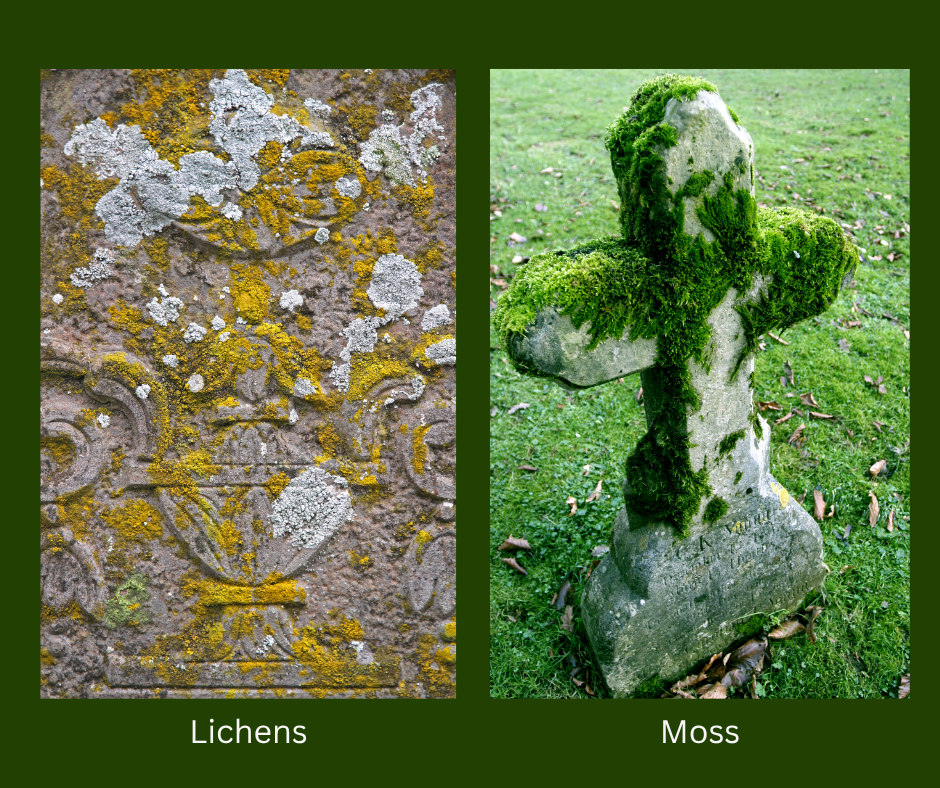
Lichens and Moss often thrive in cemetery eco-systems. Many need shady, damp areas but some lichens also thrive in sun.
Lichen and Moss
Grab a magnifying glass! Lichen and moss study is often overlooked species. The stones and large trees provide ideal surfaces for these organisms. Compare colors and textures and track where lichens grow best.
Lichens are a combination of fungi and algae, forming a symbiotic partnership. They work together but are an organism not a plant. The fungus provides structure and protection, while the algae produce food via photosynthesis. They grow on trees, rocks, and soil, acting as vital environmental indicators of air quality. Different types can indicate environmental conditions and are bioindicators of pollution and ecosystem health.
Moss is a very simple type of plant that does not have conventional roots, stems or leaves. They use threadlike rhizoids to anchor themselves and absorb water directly through their tissues. They love damp, shady locations, and grow in dense green mats.
Use your magnifying glass to study the shapes. Look for insects and small invertebrates that are seeking shelter or food. Beetles, caterpillars, snails, slugs, springtails, and tardigrades are commonly found among lichens and mosses.
Available on Amazon in paperback and in my store in PDF format
Soil
Soil observation can be done in a simple way. No. I dont mean by digging! Look at exposed soil near paths or tree roots. Notice color, texture, and moisture. Healthy soil often contains organic matter like leaves and small roots.
Ironically and maybe a bit morbid but one of the few disturbances we see in cemeteries is the digging of graves and the consequential mixture of the soil. Look at different areas of the graveyard and observe how the soil is different. Color and texture may change.
Birding is one of the easiest ways for families to spend time outside and learn about wildlife. You do not need expensive gear or special training. Birds live in cities, suburbs, and rural areas, so most families can start right in their own backyard or neighborhood. For children, birding builds observation skills, patience, and a connection with the natural world.
Birds
Cemeteries are often excellent birding locations. Large trees often attract owls and open areas attract hawks. A variety of songbirds will be attracted to the flowering bushes and planted flowers.
Bring binoculars and a simple bird guide. Even beginners can learn common species such as robins, chickadees, and woodpeckers. Early morning is best. Listen first, then look. Try to identify birds by sound as well as sight. The Little Book of Woodland Bird Songs is great start for learning bird calls.
Think about bird behavior. Robins are often in grassy areas after a rain looking for worms. Look for owls during the day roosting near the tree trunk.
The Cornell Lab of Ornithology has some fabulous online birding courses ranging from free to $100+.
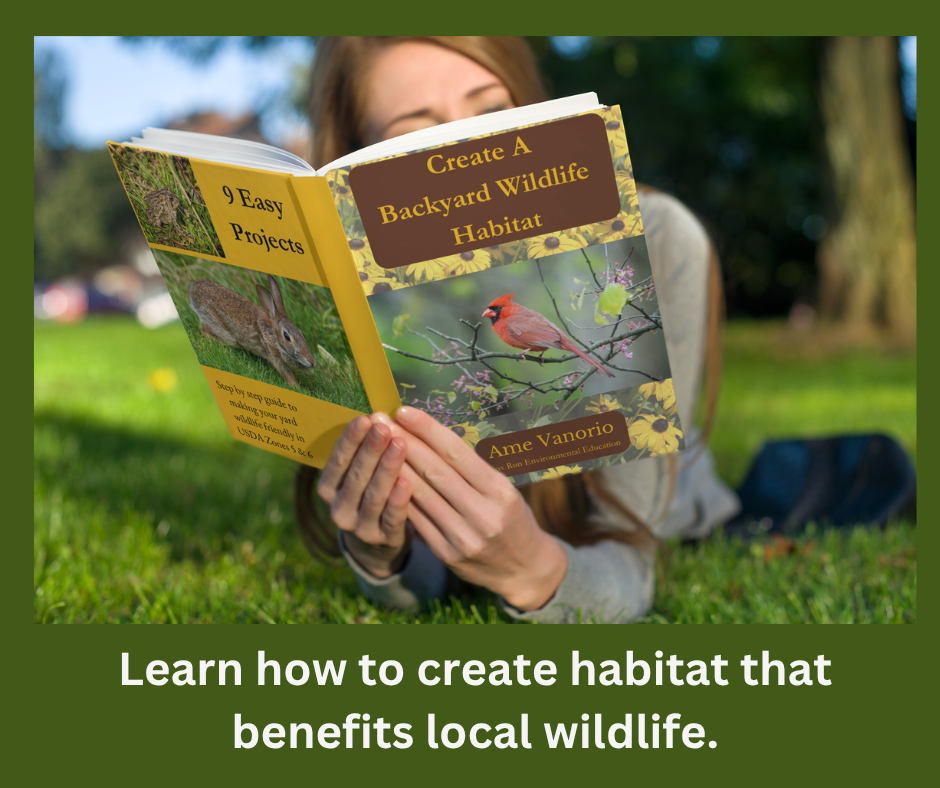
Available in paperback and eBook I outline several ways you can attract birds, frogs, pollinators, and more and support local wildlife.
Wildlife Observation
There are often ponds within older cemeteries that are homes to waterbirds, frogs and small invertebrates. Squirrels and chipmunks are often plentiful. Grazing mammals such as rabbits and deer love the grassy areas.
Red foxes, skunks, and opossums, often come out at night to look for food. If your cemetery is open dawn and dusk can be good times to observe animals.
Cemeteries often have benches or places to sit. Grab your binoculars and sit down quietly. Many urban animals will start going about their business if they don’t feel threatened. Choose a place to sit for 10 to 15 minutes. Stay still and observe. You may see birds feeding, insects moving, or squirrels foraging. This is a great way to reduce stress and connect with nature.
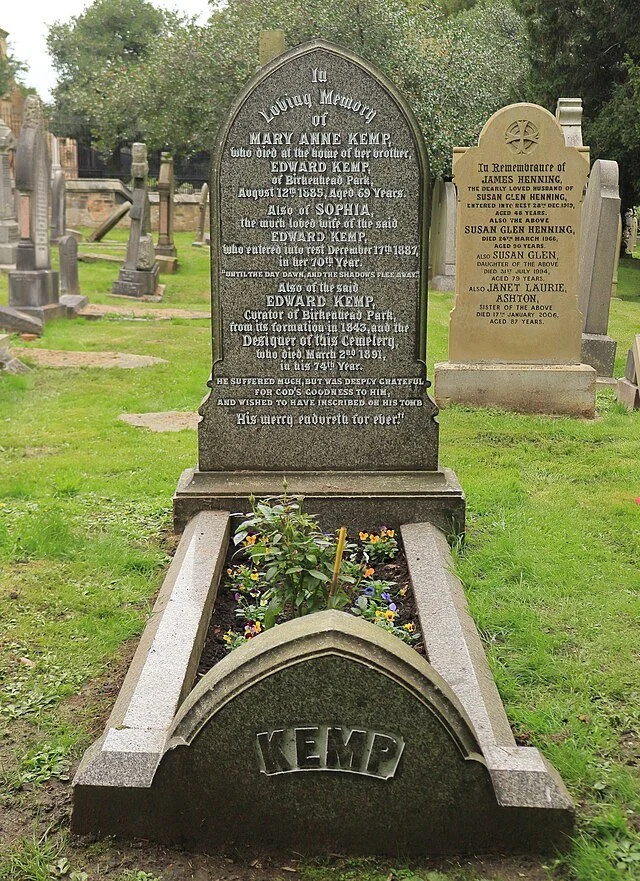
Did you know gardening around graves is a thing? Read my article Grave Gardening: Back From the Dead!
Seasonal Changes
Observe changes in nature over time. Visit the same area once a week or twice a month. Record changes in leaf color, flowering plants, and animal activity. In spring, look for early blooming plants like violets or dandelions. In fall, observe leaf drop and seed production.
This builds an understanding of phenology, which is the study of seasonal life cycle events. The USA National Phenology Network shows that tracking these changes helps people understand climate patterns and ecosystem health
Take photos of plants, textures, and wildlife. Focus on patterns such as leaf veins or bark. Compare photos over time to track changes. This works well for children or adults who prefer a visual record instead of writing. You can make a photo album such as my year at the cemetery.
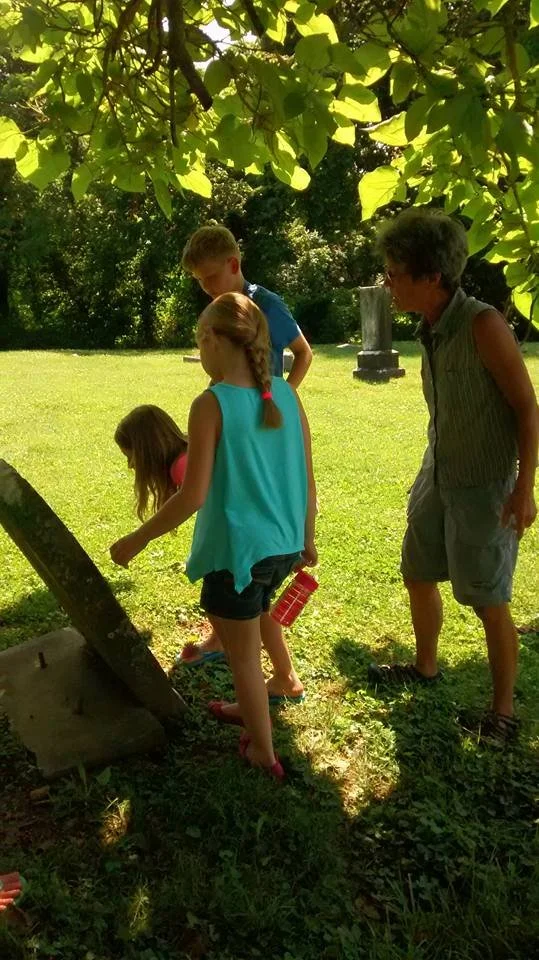
History is also abundant in a cemetery! Here is one of my science clubs exploring a local cemetery.
Activities
Nature journaling is a strong way to combine science and reflection. Bring a notebook and sketch what you see. Write short descriptions of plants, animals, and weather. This does not need to be artistic. The goal is to record details. Over time, this builds observation skills and memory.
A scavenger hunt can help younger learners stay engaged. Create a simple list before visiting. Include items like a feather, a seed, a type of leaf, or a bird call. Avoid collecting items unless it is allowed. Cemeteries often have related laws against removing objects. Instead, take photos or draw what you find. This keeps the activity respectful while still interactive.
Scavenger hunts build attention and help learners notice details they might otherwise miss. See my Nature Bingo below.
check out my free downloads Below to use when going to a cemetery

Mapping the space is another useful activity. Have learners draw a simple map of the cemetery. Mark trees, paths, and areas where wildlife is seen. This builds spatial awareness and connects to basic ecology. Over time, maps can be updated to show seasonal or yearly changes. This is similar to field mapping used by scientists to track habitat use.
Using a compass can also be a fun activity. Cemetery paths often have names and a different areas are numbered to help loved ones find graves. Make up directions for your child using a map of the cemetery. Write down directions such as go west on angel path and north on lake path.
Combining History and Science
For families, combining history and nature can make the experience more meaningful. Look at how the landscape was designed. Notice older plantings and how they have changed over time. Discuss how people in the past used trees and plants in cemetery design. This connects cultural history with ecology.
How to Explore Respectfully
Follow the Paths: Stick to paved or maintained paths to avoid walking on graves.
Observe Quiet Hours: Keep conversations low and respect the privacy of mourners.
Observe vs. Collect: Take photos and notes, but do not remove plants, rocks, or flowers.
Check Local Rules: Some cemeteries have specific hours or prohibit certain activities, such as running or dogs.
What is a taphophile?
There is a word for a person that loves cemeteries - a taphophile is someone who loves cemeteries and comes from the Ancient Greek, word taphos, meaning "grave," and phile or philos, meaning "loving". It describes someone with a deep appreciation for cemeteries, epitaphs, and historical gravestones.
Encourage Wild Cemeteries!
In America, many cemeteries are maintained and manicured (similar to golf courses) in a way that discourages wildlife and uses dangerous chemicals. Urban development and industrial agriculture have reduced wildlife habitat around our cities. There is a movement to let at least the older parts of cemeteries go back to a more natural state.
We can encourage local cemeteries to reduce the use of weed killer, mow grass at a higher height and plant native species of plants. While people may not want the ground around their loved ones grave to look messy we certainly have options to use more natural strategies.
American urban planners and cemetery managers are starting to follow Europe’s lead. In England, Germany and … it has become more common to leave some wild areas. Embracing the biodiversity value of cemeteries and viewing them as a wildlife sanctuary has changed their maintenance routines.
Some cemeteries are literally saving species. Vienna Central Cemetery in Austria, the second-largest cemetery in Europe is home to the adorable and nearly extinct European hamster (Cricetus cricetus), along with other threatened species.
It has been common for historical cemeteries to offer tours about local history but more and more they are giving tours to discuss the plants and animals that live there.
Author, Ame Vanorio, is a licensed teacher and environmental educator. She teaches classes, writes books, and makes videos on environmental education, organic gardening and wildlife conservation. Learn more about us here.

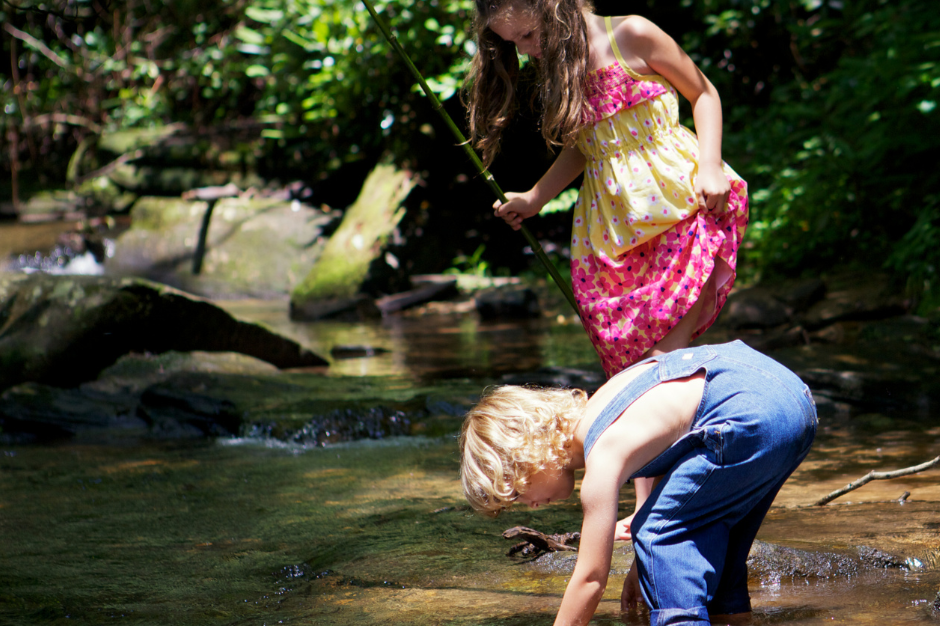
For this lesson the teacher/parent chooses a location where students can observe wildlife/nature in a local park. They will go there for a monthly observation of what changes are taking place. Use this lesson plan to guide your instruction but adjust to meet your needs. Free Download but please consider a donation.
3 Page lesson plan for standard WI ELS.C1.C.e Explore outdoors, observing changes over time; describe and ask questions about patterns in natural and built environments.
8.5 x 11 inches (21.59 x 27.94 cm) PDF file.
For best printing use high-quality paper. Colors may differ due to monitor/printer variations. Final quality depends on your printer and paper.
This is a digital download, no physical item will be shipped. Instant download items don’t accept returns, exchanges, or cancellations. However, please contact us if you have any issues.
Transparency statement: Materials were made by me in the graphic design program Canva. Some photos were taken by me, some are stock photos, and some were purchased from Creative Fabrica. To my knowledge illustrations were hand-drawn. Coloring pages may be AI-generated. Garden designs created using GrowVeg Garden Planner software.
© 2025 Fox Run Environmental Education Center
All rights reserved. No part of this book may be used in any manner without the expressed permission of the author. You may not reproduce, duplicate, or transmit the contents. This listing is for personal use only. Please share our website with friends/fellow teachers instead of making them a copy! These files cannot be used commercially.