
Winter is a tough season for birds. Food is scarce, temperatures drop, and daylight hours shrink. Yet many birds stay right where they are and survive just fine. They do this through a mix of physical adaptations and behavior changes.
Rest and Relaxation. Catching some ZZZ’s. Hibernation, Brumation, and Torpor are all animal responses to dealing with the need to conserve energy and slow down. I explain what they are and how wildlife gets through the cold months every year.
Hibernation, Brumation, and Torpor are biological reactions to the environment. By slowing down their metabolic rate animals can conserve energy, have less need for food, and gain the ability to survive lower temperatures.
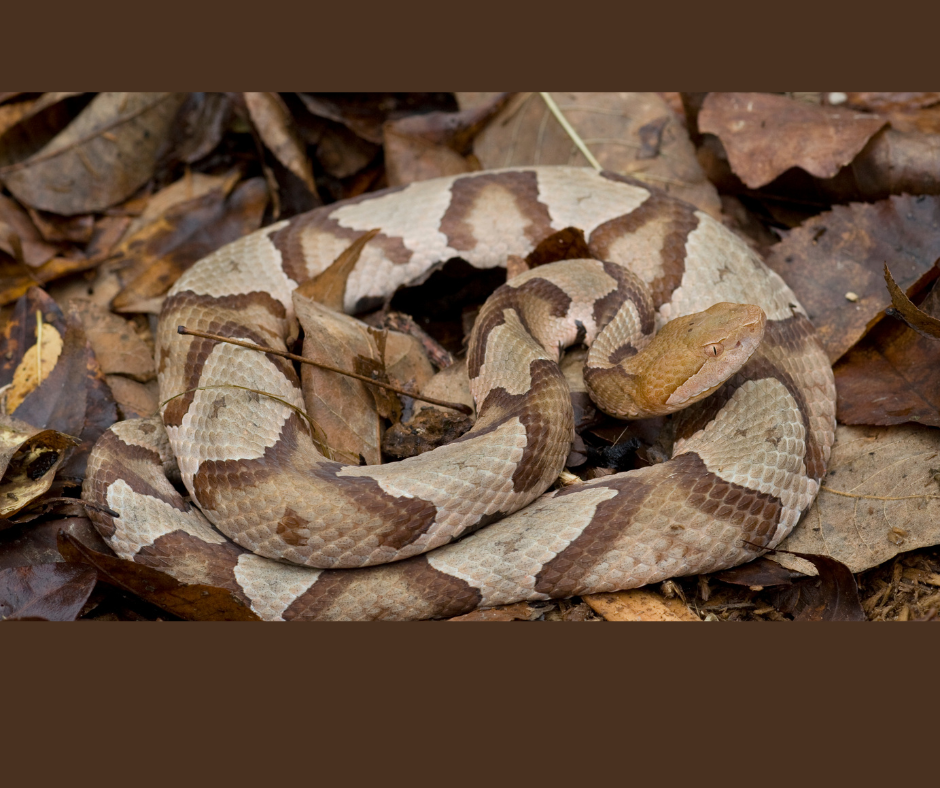
Easter Copperheads (Agkistrodon contortrix) are one of the more common venomous snakes in America and are responsible for the most snakebites from any venomous snake in the country. The beautiful although a bit menacing-looking copperhead has a distinctive hourglass pattern.
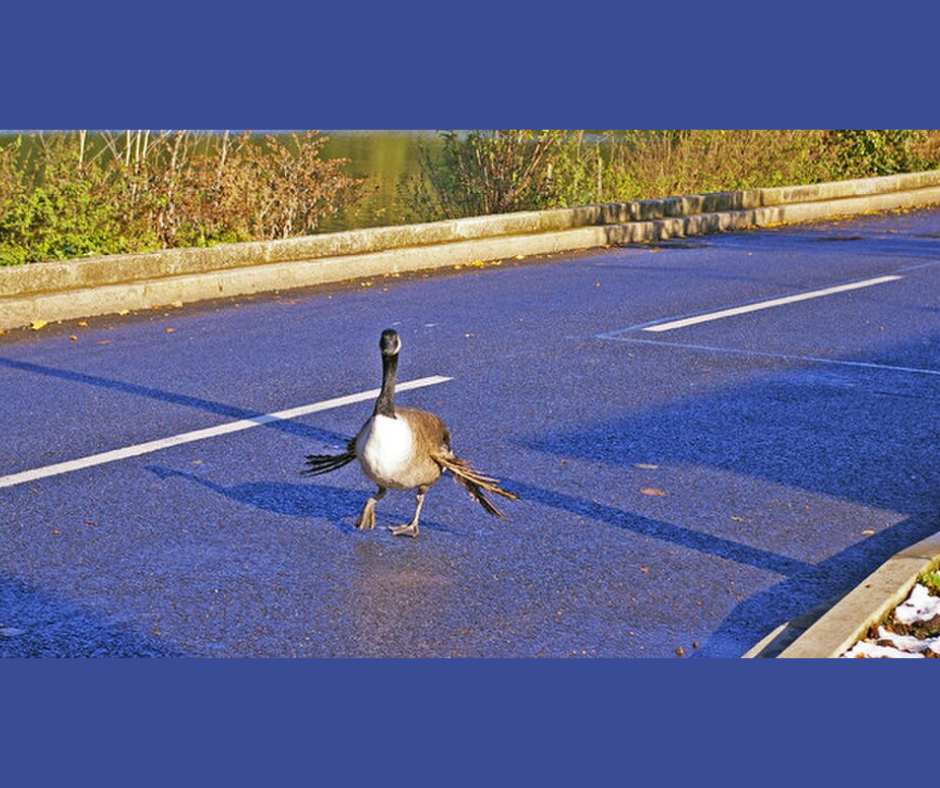
Angel wing aka airplane wing is a deformity that affects the carpal or wrist joint of growing waterfowl like ducks and geese, causing the wing feathers to stick out sideways instead of lying flat against the body. This can also affect domestic fowl but this article focuses more on wild species.
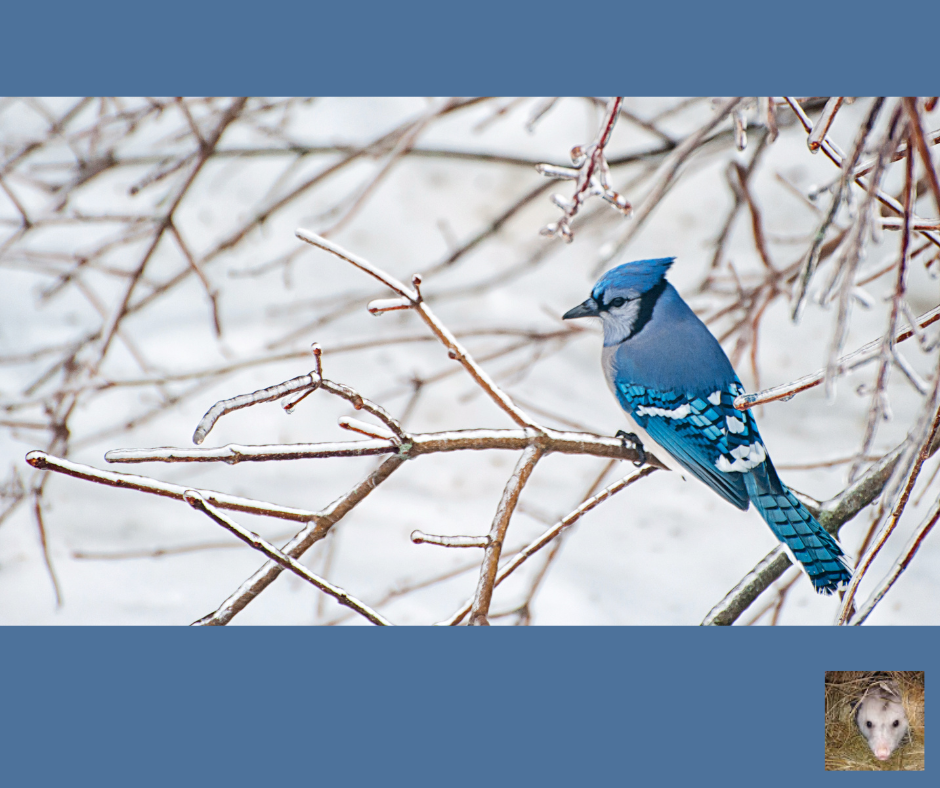
Winter is a tough season for birds. Food is scarce, temperatures drop, and daylight hours shrink. Yet many birds stay right where they are and survive just fine. They do this through a mix of physical adaptations and behavior changes.
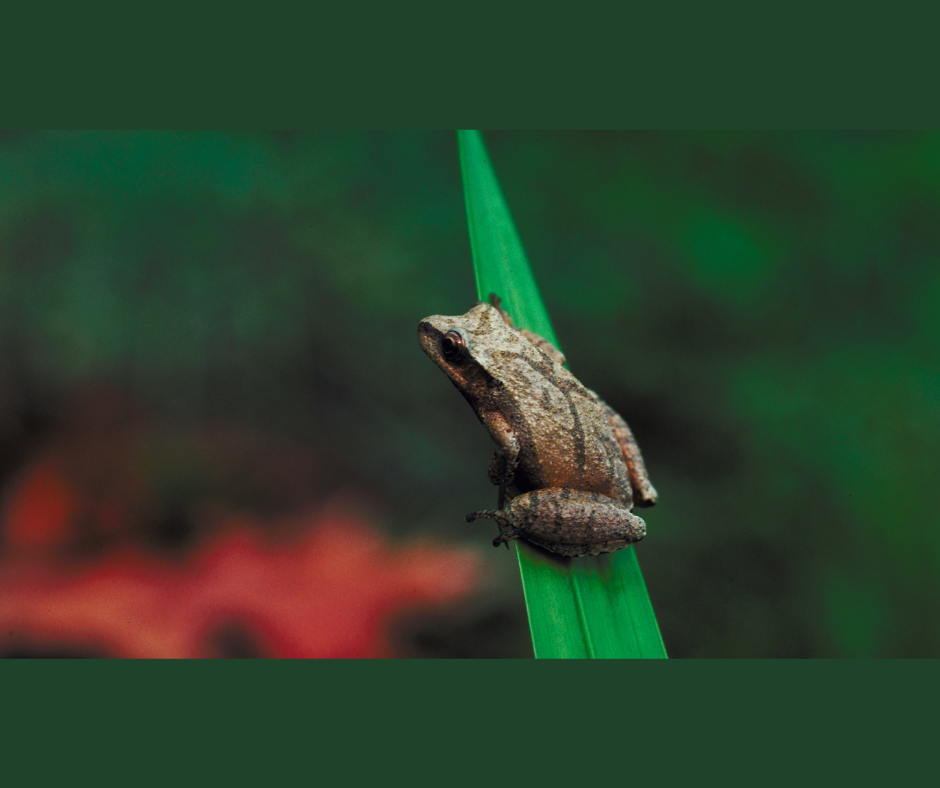
The spring peeper, Pseudacris crucifer, a tiny chorus frog, lives throughout the eastern United States and Canada. They are one of the first signs that winter is ending. On warm evenings in late winter and early spring, wetlands come alive with high-pitched peeping that can carry for long distance.