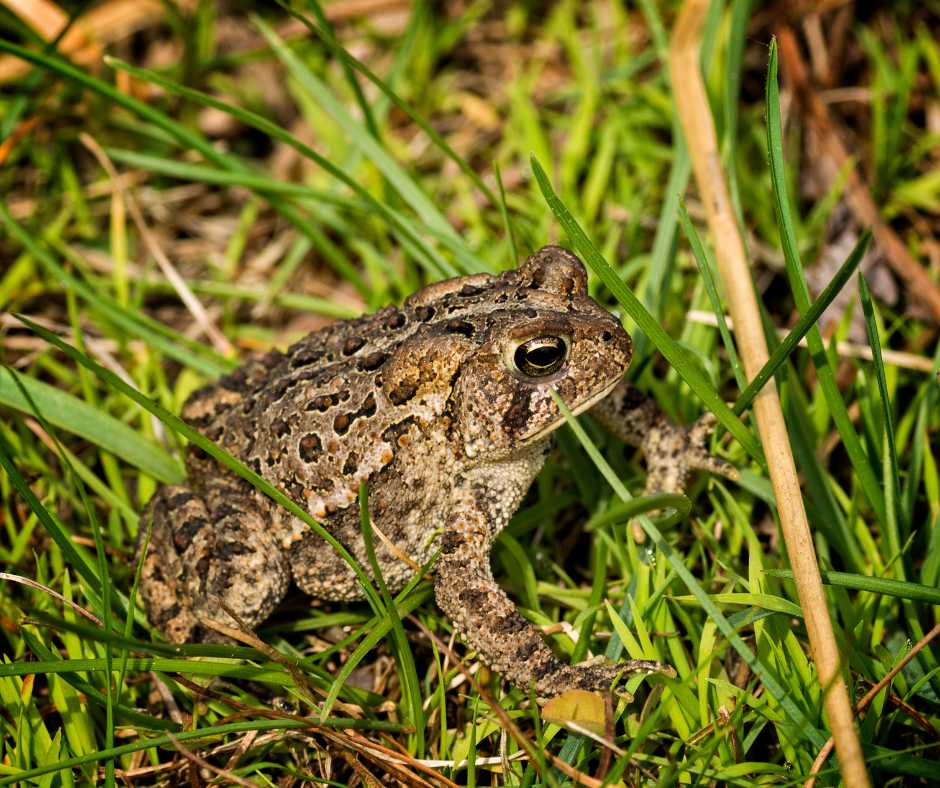
A friend of gardeners. Toads plays an important role in controlling insects and keeping ecosystems balanced. A single adult toad can eat up to 100 insects and slugs per night.
Toads serve as a vital part of the food web. They are a food source for snakes, hawks, owls, and small mammals. As environmental indicators alert us to pollution. They absorb water and oxygen directly through their skin and cannot survive in heavily polluted or chemically treated areas.
This article covers all about what makes a toad a toad and some of the toad species that live in North America.
What Is a Toad?
Frogs and toads are both amphibians in the family Anura which means without a tail. Other amphibians such as salamanders have tails. Frogs live part of their life in water and part on land. Frogs typically lay eggs in bodies of water.
Frogs and toads are kinda like fingers and thumbs. All toads are frogs but not all frogs are toads. Basically, toad is a classification of frog.
Characteristics of Toads
Toads have dry, bumpy skin and shorter legs.
Parotoid Glands
They walk or hop instead of making long jumps.
Most toads also spend more time on land than frogs.
Toads have shorter chunkier legs and toes with claws so they can dig.
Stout, squat, bodies with shorter back legs compared to frogs.
Many species dig into the soil to escape dry weather or brumate underground during the winter.
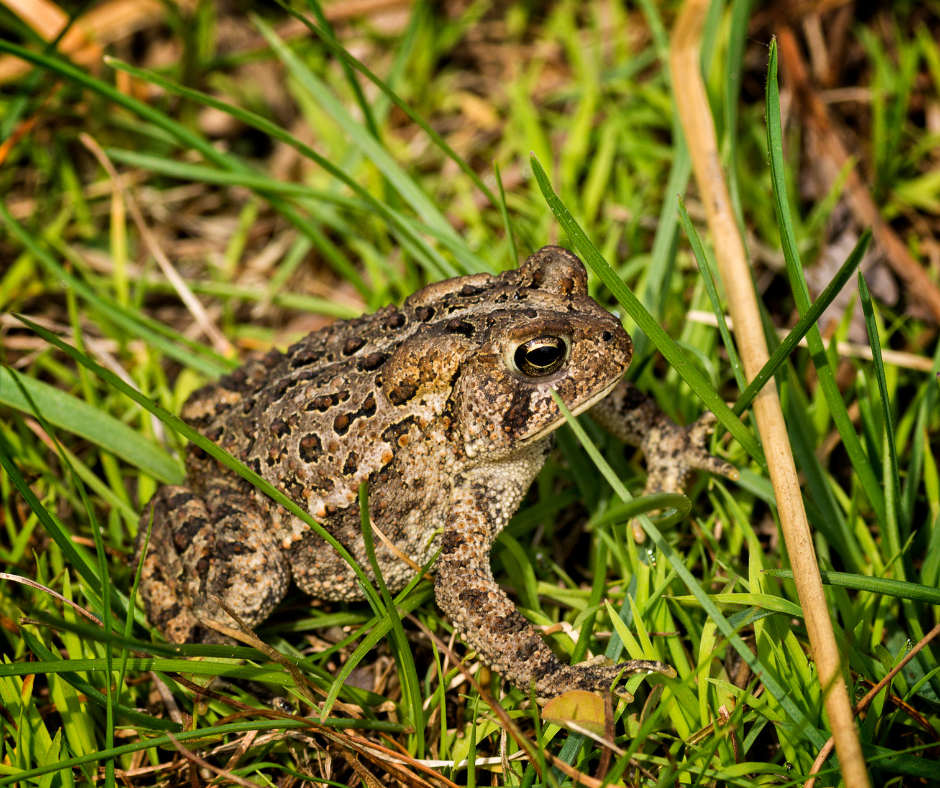
American Toad
The Life Cycle of a Toad
Toads go through a process called metamorphosis. They change form as they grow.
In early spring, adult toads travel to shallow water such as ponds, ditches, or slow-moving streams. Males call to attract females, making a long musical trill that can last up to 30 seconds.
Females lay long strings of eggs in the water. A single female can lay thousands of eggs at once. The eggs then hatch into fully aquatic larvae called tadpoles. Tadpoles have tails for swimming and internal gills to receive oxygen.
Over several weeks, the tadpoles grow legs, develop lungs, and begin to look more like tiny toads. This stage is called a toadlet. Once they leave the water, they start life on land. Young toads are very small, often about the size of a fingernail, and many do not survive due to predators and drying conditions.
Most American toads reach adulthood in two to three years.
Do you have young people in your family? I have several kids science activity books available on Amazon.
Where Toads Live
Toads need both water and land to survive, but they spend most of their time on land after they become adults.
During the day, toads hide in cool, moist places. This includes leaf litter, under logs, in garden mulch, or shallow burrows in the soil. Their skin must stay damp, so they avoid dry, hot conditions.
At night, toads come out to hunt. They are most active in warm, humid weather, especially after rain.
In winter, American toads survive by burrowing below the frost line. They enter a state called brumation, which is similar to hibernation. Their bodies slow down, allowing them to survive freezing temperatures.
Aestivation
Toads that live in arid areas often practice aestivation. Aestivation is considered the summer equivalent or opposite of hibernation. While underground during summer, they enter a deep sleep-like state, lowering their metabolism to save energy and water.
Read my article Nighty Night, Sleep Tight! Hibernation, Brumation and Torpor Explained
What do Toads Eat?
Toads are carnivores. They eat a wide range of small animals, most of which are considered pests in gardens.
Their diet includes beetles, ants, flies, moths, slugs, snails, and worms. A single toad can eat hundreds of insects in a week. They hunt by sitting still and waiting for prey to move close enough. Then they quickly flick out their sticky tongue to catch it.
Because they eat so many insects, toads help reduce the need for pesticides. This makes them valuable partners in organic gardening.
Toads in the Garden
Toads are one of the best natural pest control animals you can attract to your yard. They work at night when many insect pests are active.
If you want to support toads in your garden, focus on three basic needs, shelter, moisture, and safety.
Provide shelter by leaving areas of leaf litter, mulch, or logs. You can also create a simple toad house using an overturned clay pot with a small opening.
Keep a shallow water source nearby. A dish with clean water, changed often, can help toads stay hydrated.
Avoid using chemical pesticides. These can poison toads directly or reduce the insects they rely on for food.
Outdoor lighting can also attract insects, which in turn attracts toads. This creates a natural feeding area.
If you find a toad, observe it but avoid handling it unless necessary. Their skin is delicate and can absorb chemicals such as lotion from our hands.
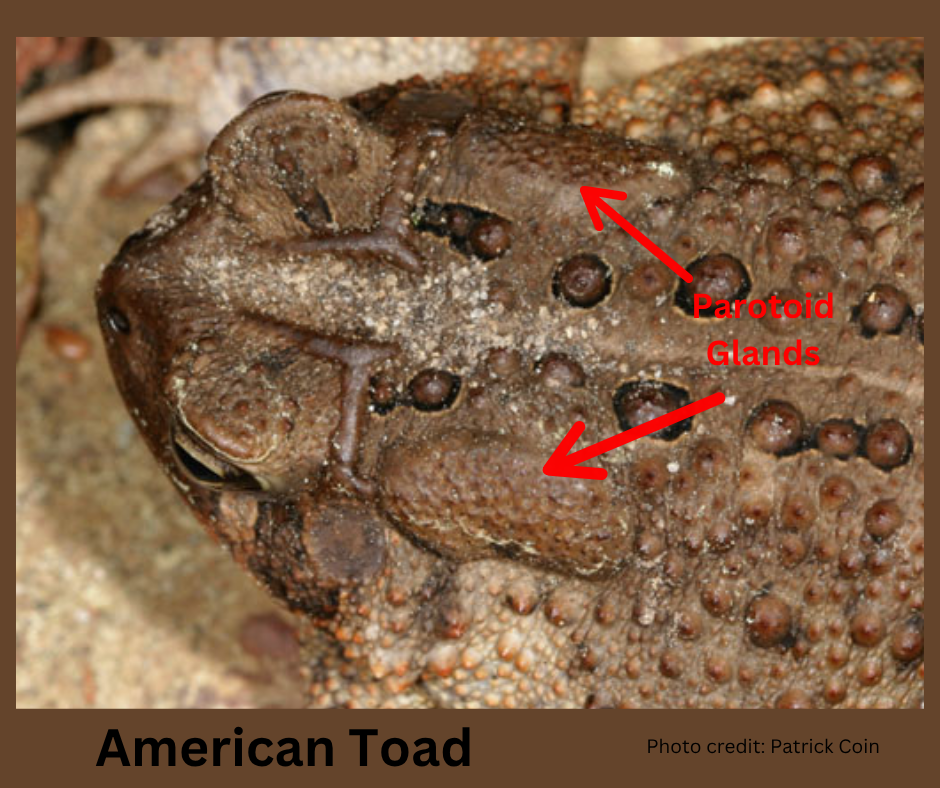
When the toad is stressed, squeezed, or bitten by a predator, the parotoid glands secrete a thick, milky-white neurotoxin called bufotoxin.
Toads in North America
There are many toad species that live across North America. All of these species share similar roles in their ecosystems. They control insects, serve as prey for larger animals, and connect aquatic and land habitats.
Parotoid Glands. serve as a defense mechanism. When the toad is stressed, squeezed, or bitten by a predator, the glands secrete a thick, milky-white neurotoxin called bufotoxin. Bufotoxins can cause severe illness, heart irregularities, or death if swallowed by pets (like dogs and cats) or wild animals. For humans, contact usually results in skin or mucous membrane irritation rather than warts (which are caused by a virus, not toads).
American Toad
The American toad (Anaxyrus americanus) is usually brown, gray, or reddish. It has dark spots on its back, and each spot often contains one or two warts.
Behind each eye is a large gland called a parotoid gland. This gland produces a mild toxin that helps protect the toad from predators. It does not harm humans if left alone, but it can irritate pets if they try to bite the toad.
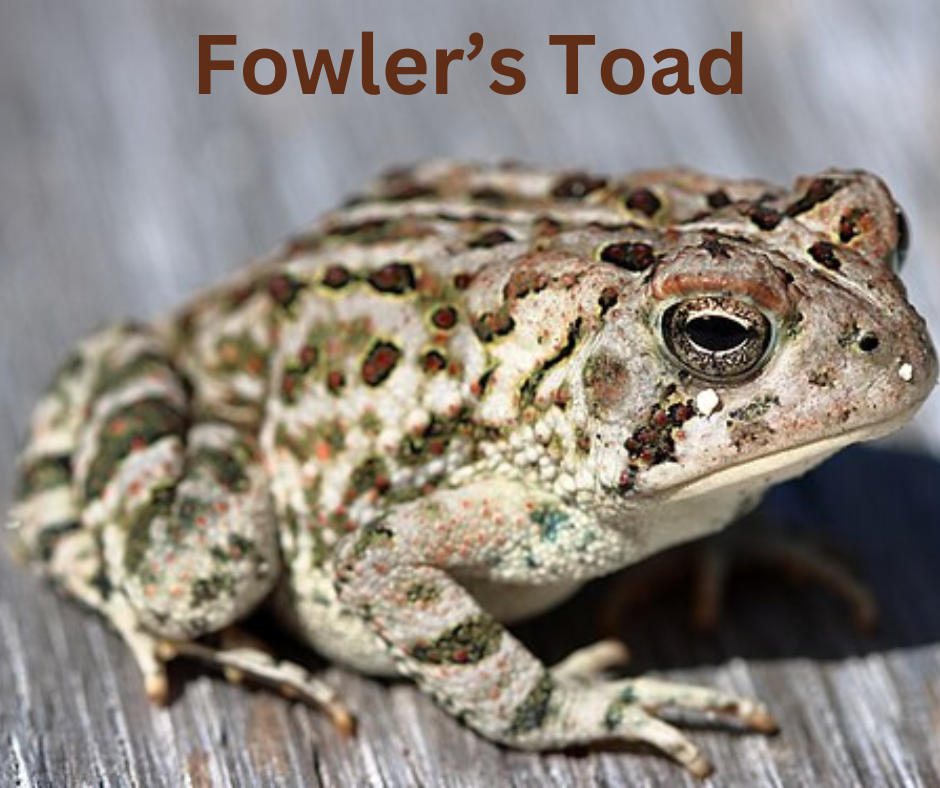
Fowler’s Toad
The Fowler's toad (Anaxyrus fowleri) is found in sandy soils and coastal areas throughout eastern North America. It looks similar to the American toad but often has more warts in each dark spot.
Fowler's toad is usually brown, grey, olive green and rust red in color with darkened warty spots. Adults have a pale stripe on their back.
Fowler's toad breeds in open, shallow waters such as ponds and marshes. The males mating calls are affected by their body size and temperature. Females can discriminate between calls and select the largest available males. The females lays 7,000 to 10,000 eggs which hatch in 2 to 7 days.
They eat velvet ants, a type of wasp, that gives a very painful sting to humans, but does nothing to the toad.
Fowler’s Toad populations are struggling in some areas due to habitat loss and agricultural chemicals. In New Hampshire and Vermont they are endangered species and in New Jersey they are a species of special concern.
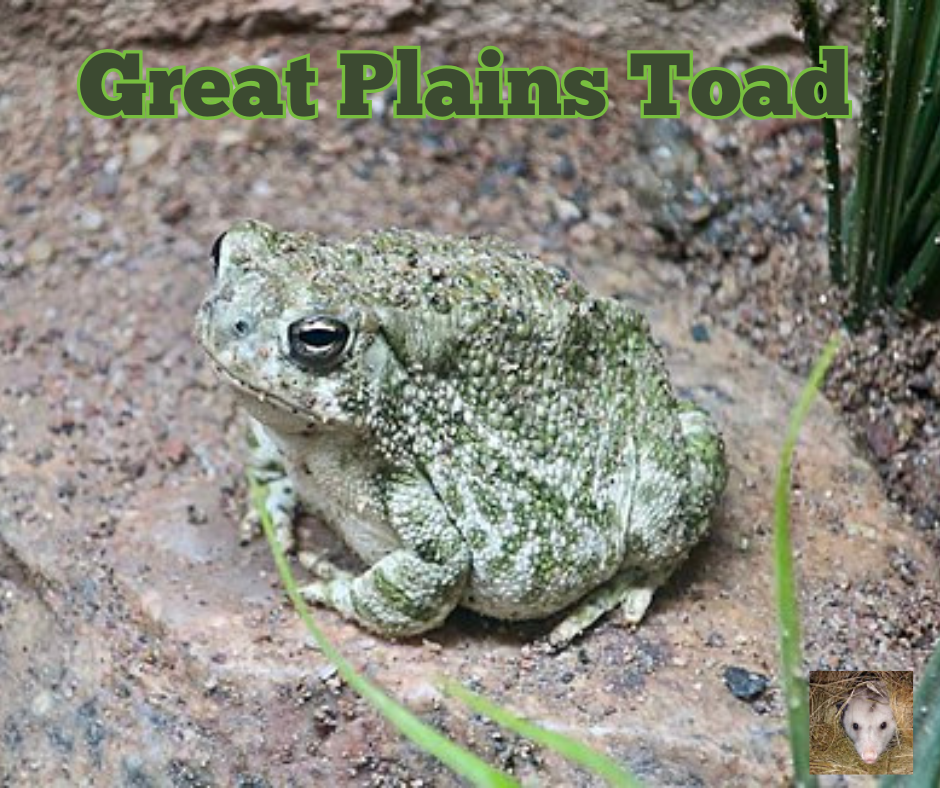
Great Plains Toads
The Great Plains toad (Anaxyrus cognatus) is adapted to dry grasslands. Its primary diet is various species of cutworms. It also eats ants, and termites.
It can survive long dry periods by burrowing underground and only emerge from its burrow for a few weeks when conditions are right, and usually at night, but in areas with permanent water bodies and abundant rain it may be active all.
They have a unique defense system. They use chemoreceptors to sense cues left by the the plains garter snake, their primary predator.
SpadeFoot Toads
Though commonly referred to as toads, spadefoots (Scaphiopodidae) are not considered “true toads” since they lack parotoid glands behind their eyes. There are 11 subspecies living throughout North America even in very arid areas. The Couch's Spadefoot lives in the southwest Sonoran desert.
Many desert toads shed their skin multiple times or secrete hardened mucus and layers of dead skin to form a waterproof "cocoon" around themselves, cutting way down on water loss.
Spadefoot gets their name because they have a keratinous sickle-shaped appendage in their hind feet that allow them to burrow into the soil. So like the keratin in your hair and nails.
Most toads have horizontal pupils, spadefoot toads have vertical pupils.
The eastern spadefoot is the only species found east of the Mississippi River, ranging from New England to southern Florida. They are endangered or threatened in 7 states.
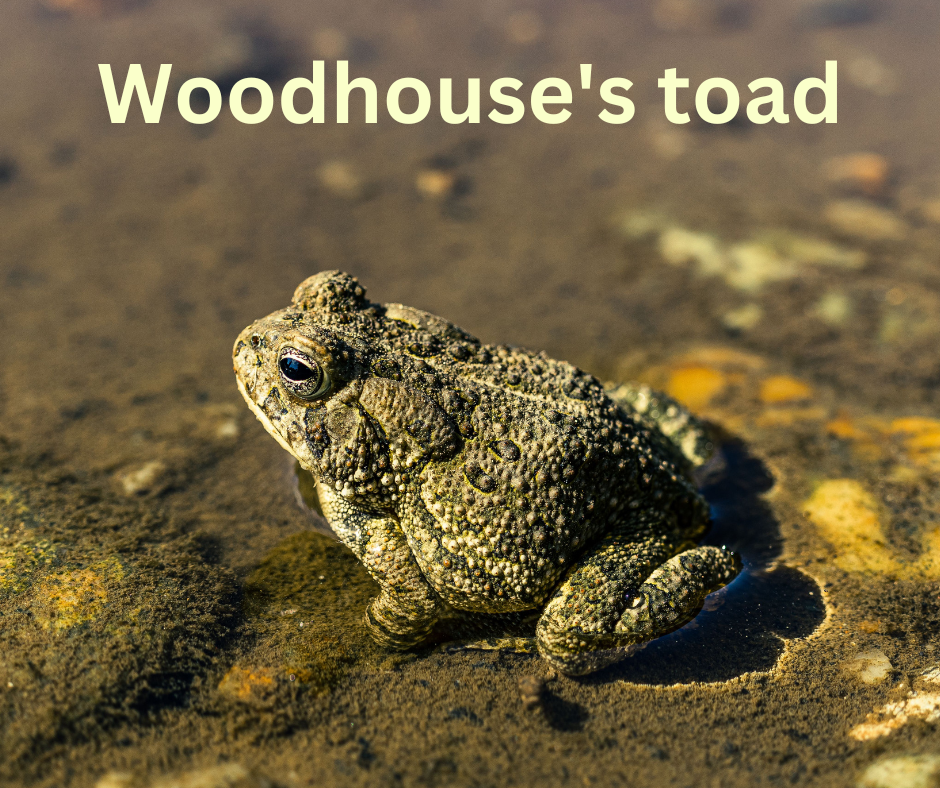
Woodhouse’s Toad
The Woodhouse’s toad (Anaxyrus woodhousii) is common in the central United States and is often found near rivers and floodplains. Considered a true toad with three recognized subspecies they hybridize with American toads where their ranges overlap.
They appear grayish or yellowish-brown and are speckled with small dark spots with a narrow pale line running along the spine.
Frog and Toad populations are declining fast. You can provide food, shelter, and water to make your backyard a frog-friendly habitat. I give you several ideas for creating frog habitats in you yard.
Create Frog and Toad Friendly Habitat
The population of frogs and toads is declining rapidly due to habitat loss, pollution, and climate change. But there are things you can do to help provide food, shelter, and water for the frogs in your neighborhood.
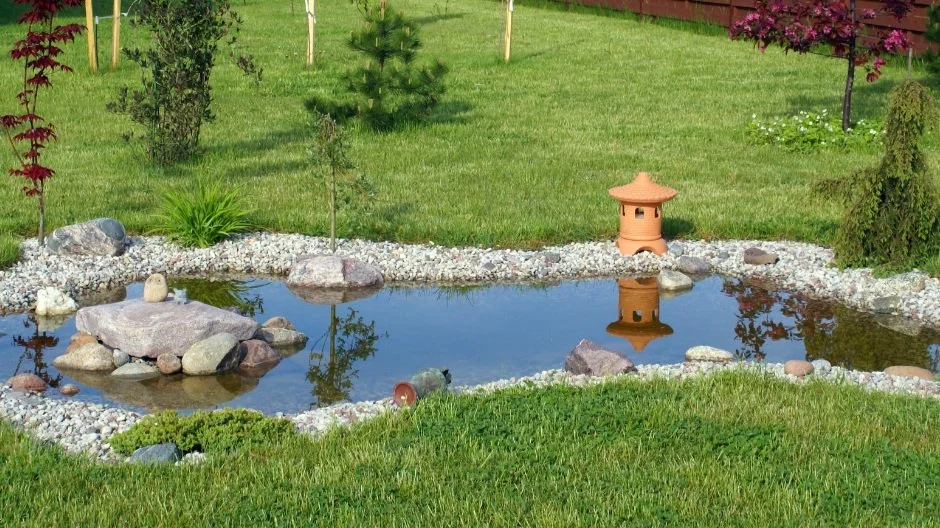
All frogs (including toads) need water to drink and as part of their reproductive cycle. Even a small shallow water feature is great for frogs and will serve butterflies and small birds as well. Just sink a small bird bathe or a terra cotta pot into the soil so the lip is just above the soil line. Ad a couple of stones to make sure they can climb out easily.
A broken terra cotta pot makes a great hidey spot for toads. Have you heard of a toad abode? They have some cute ones on Amazon!
Author, Ame Vanorio, is the founder of Fox Run EEC .

Salamanders are a unique group of animals. They are amphibians, like frogs, and may live in water or on the land. There are 35 species of salamanders that live in Kentucky. This article will discuss the characteristics and habits of salamanders, conservation, diseases, and introduce you to a number of species found in our state and region of the USA.