

Blueberries are known for their health benefits to the body. They fit in well in the home garden and have great yields. Blueberries make a lovely edible landscaping plant and have pretty red and purple foliage in fall.
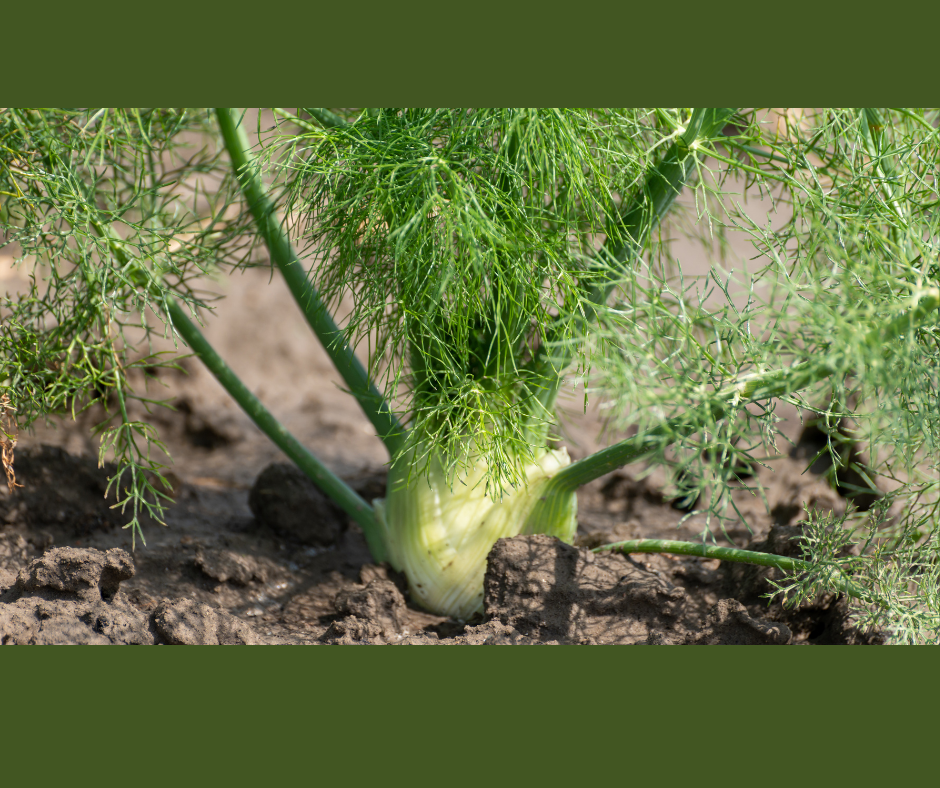
If you have grown fennel before you may know that their are two main types. Florence fennel or finocchio like this one make a bulb and is used as a vegetable. Regular fennel is an herb grown primarily for its leaves and seeds. It is also a great pollinating plant and medicinal herb.
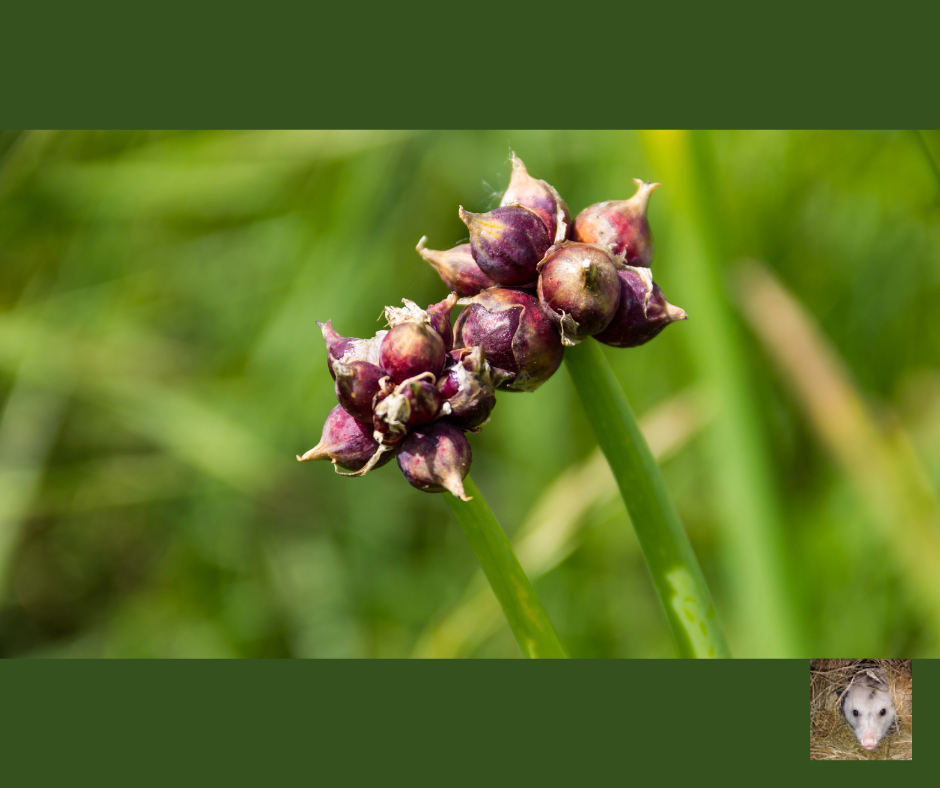
Perennial onions are great because they need little care and are great for flavoring dishes. This article will teach you how to grow and use Egyptian Walking Onions.
Gardening in urban areas and on patios means less space. Using pots and containers can help keep your garden organized while giving you more room to grow.
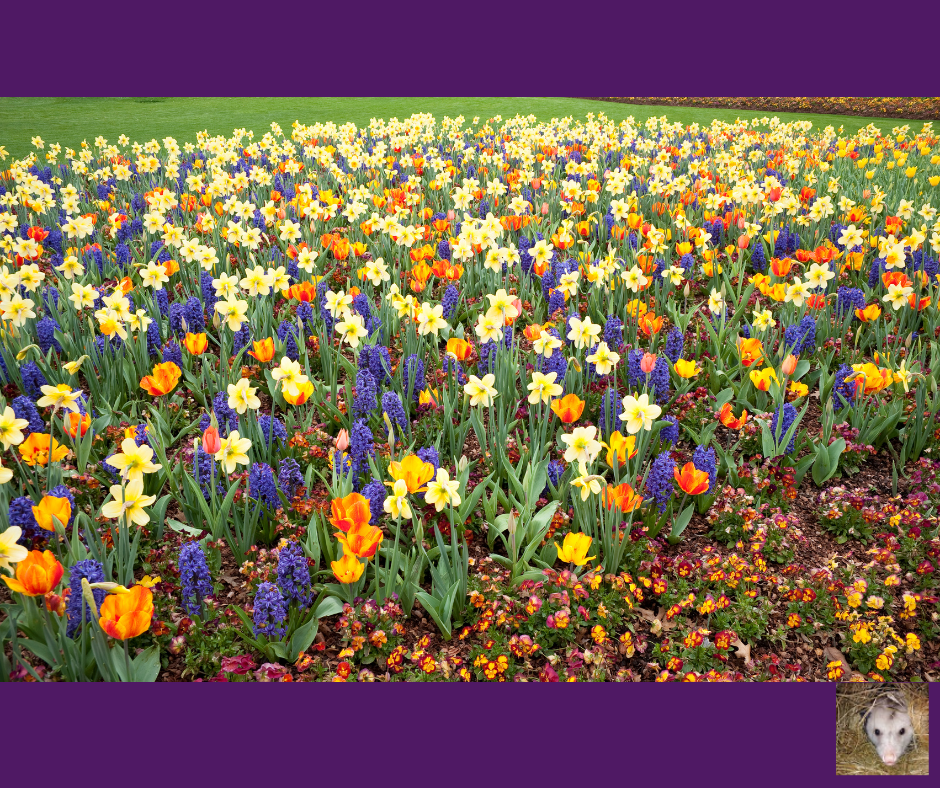
Planting bulb flowers in the fall is an excellent way to ensure a vibrant and colorful garden come spring. I love watching crocuses pop up through the snow. It energizes me. Planting bulb flowers in the fall is an excellent way to ensure a vibrant and colorful garden come spring.
In USDA Zones 5 & 6, the timing and selection of bulbs are crucial to achieving the best results. Let’s talk about when to plant some common bulbs, growing conditions, and some of the different options. Crocus, daffodil, hyacinth, and tulips.
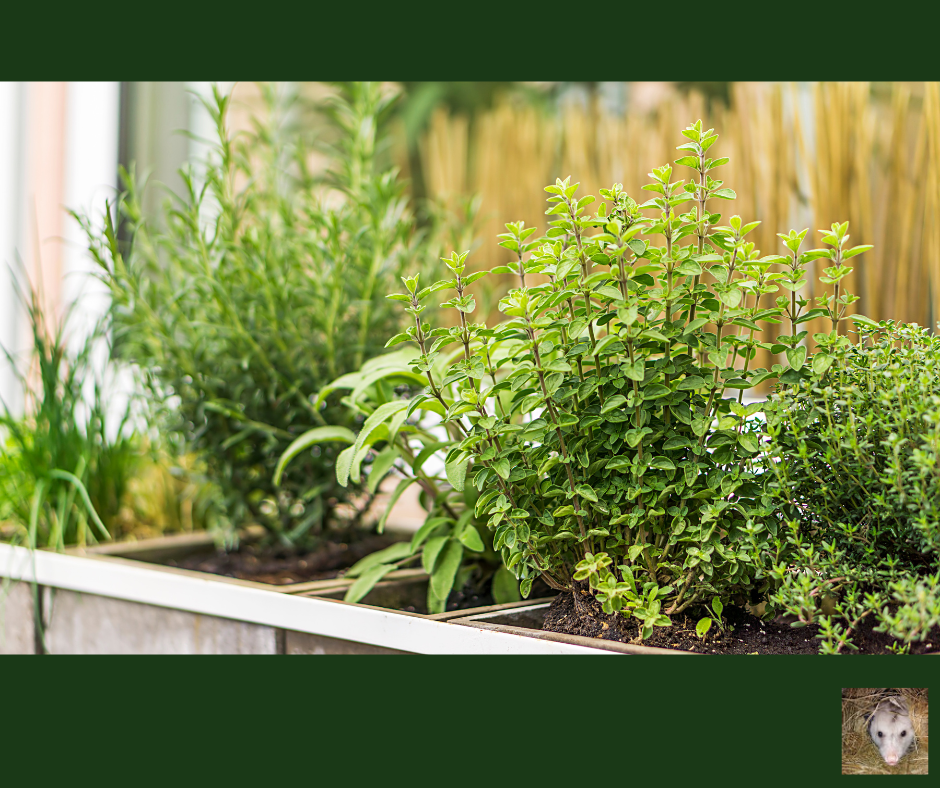
Many herbs add flavor to food. but thats not all. Herbs have natural compounds that have antioxidant, anti inflammatory, and antimicrobial properties. All those cool things that benefit our health and help us fight off germs.
Another health benefits of culinary herbs is that they help add flavor without relying heavily on salt, sugar, or processed sauces.
In this article we look at the health benefits of 7 common cooking herbs, how to use them medicinally, and growing tips.
Homegrown tomatoes are the ultimate in taste and texture. So much better than the cardboard grocery knockoff ones. Tomatoes need some care but are easy to grow and productive, saving you lots of money.
This is a complete guide to types and varieties that do well in Zone 6B, how to choose tomatoes, and how to grow your tomatoes from seed.
Moving into a new apartment can be a hectic tiring experience. I know because I recently moved from a rural farm to an urban apartment. There can be lots to think about including how to design your space.
Where to place your plants so they receive what they need is important. . Many people want to have gardens within their apartments for many different reasons, such as aesthetic quality, health benefits, and cooking ingredients.
Imagine a snowy day in December. You go out to the garden, uncover the cold frame, and pick some nice fresh greens for dinner. This is something I do in my USDA Zone 6 garden.
Cold Frames are a great way to extend your harvest. They’re easy and cheap to build and give a lot back for the money. Cold frames allow you to eat fresh food for a longer period of time.
Perennials will add a great deal of variety to your garden plan. These plants live for several years or more. I always tell my students to plant perennials first.
Perennial fruits, vegetables, and herbs will make a considerable impact towards self-sufficiency goals and your food security. They are also beautiful landscape plants.
Root crops often get overlooked in the plumage of greens and the bliss of fresh tomatoes. Crops such as beets, carrots, radishes, and turnips may not make our top ten list of yummy things to plant.
However, they are wonderful to grow for fresh eating and for storage. Working on becoming self-sufficient? Expand your culinary tastes with some of my favorite root crop recipes at the end of this article.
Growers in USDA Zone 6b often feel challenged by root crops. Clay soil, spring downpours, and summer humidity all seem to challenge these root crops. You can overcome these challenges and grow healthy abundant crops.
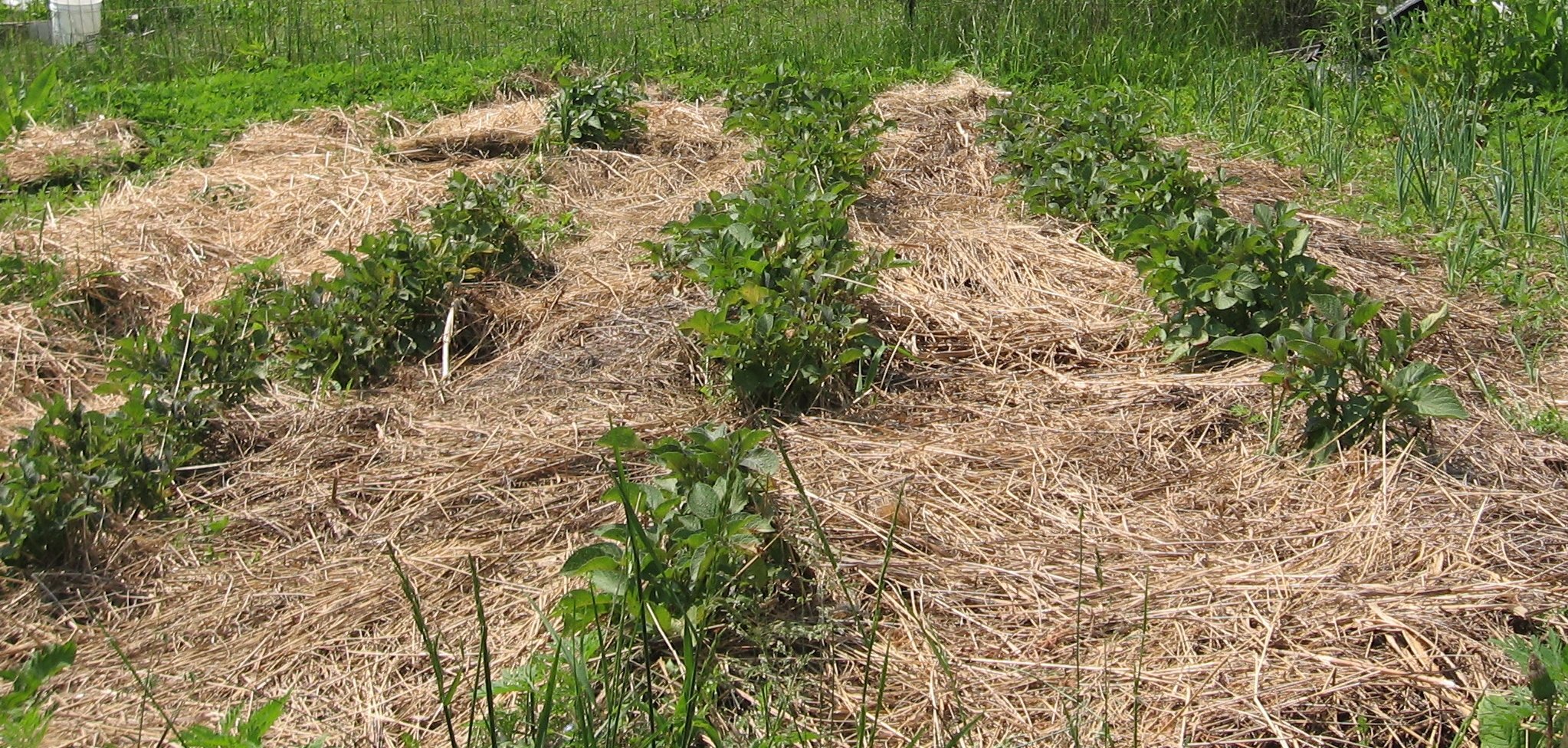
Mulch is a workhorse in the garden. It protects plants, warms the soil, and retains moisture. Mulch can be natural or synthetic.
Natural or organic mulch typically comes from plants such as straw, wheat, or pine needles. However, sheep wool is also a wonderful mulch. Natural mulches degrade and become part of the soil.
Gourds are a beautiful plant that I would recommend growing to anyone. They can be used as an ingredient in multiple types of bread and desserts, or can simply bring an element of autumn decoration to your home. The experience of growing them is incredibly rewarding, and something I hope everyone has the chance to experience.
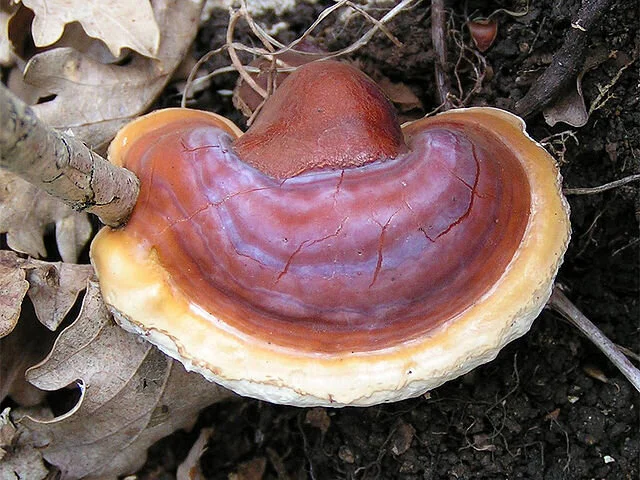
Trench Log and Log Raft are two techniques that capitalize on the way the fungus grows naturally. In nature, many mushroom species grow on old logs. Trees that have lived out their lives or gotten damaged in a storm. Both the trench log and the log raft methods of growing mushrooms benefit from this natural method. Increased moisture, a condensed fruiting area, and natural microclimate make for good mushroom production.
This article will introduce you to these two natural ways to grow your favorite mushrooms.