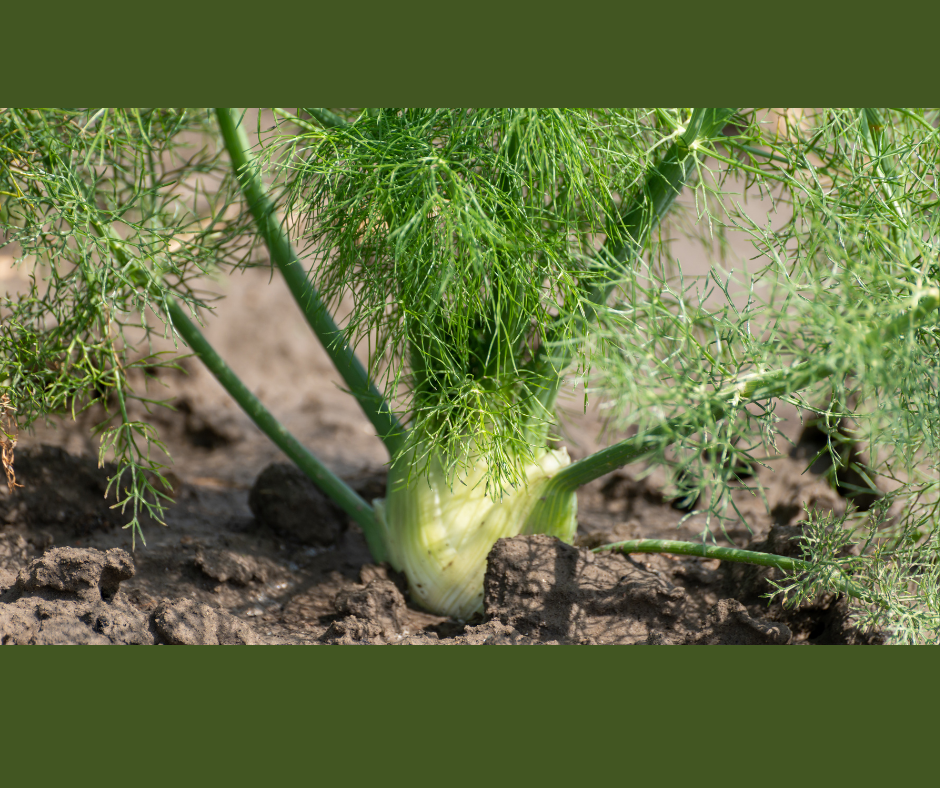
If you have grown fennel before you may know that their are two main types. Florence fennel or finocchio like this one make a bulb and is used as a vegetable. Regular fennel is an herb grown primarily for its leaves and seeds. It is also a great pollinating plant and medicinal herb.
I think fennel smells wonderful. Like licorice but some of you may turn up your nose at that.
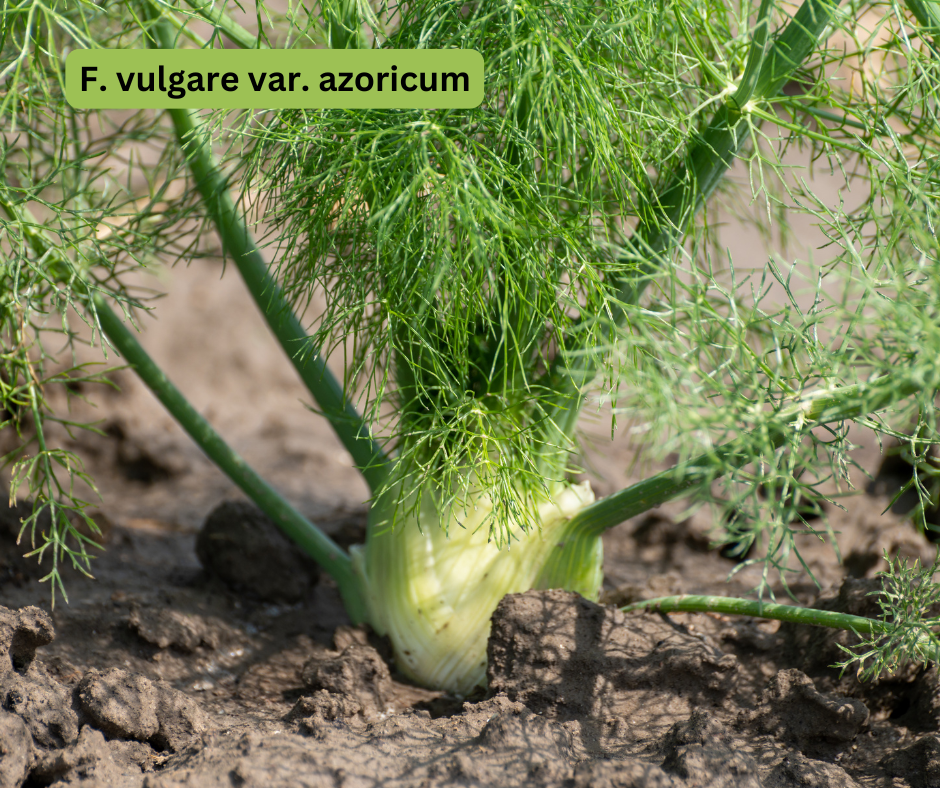
Florence fennel bulb
Difference Between Regular Fennel and Florence Fennel
Regular fennel (Common/Herb Fennel) is pretty cold hardy and grows in zones 4a to 9b. Its in the carrot family and from the Mediterranean Sea area. It grows quite tall up to 6 feet in height, and resembles dill. Leaf fennel also looks fabulous in a flower bed.
Florence fennel (Bulb fennel) is shorter and maxes out at 3 feet. It has thick, overlapping clusters of leaf bases that form a bulb just above the soil. It is a biannual and not as cold hardy only to 5a.
Bulb fennel is used as a vegetable although we use the leaves to flavor foods. The crisp bulb is sliced raw in salads or cooked through roasting, braising, or baking.
Planting Fennel
Plant fennel in full sun in well-drained soil. It likes rich soil, alkaline soil with a pH range of 6.5–7.5. So lime if necessary. Down to Earth lime is my go-to. Add plenty of compost. The bulb fennel especially needs moist soil. If it gets to dry the stalks may split.
Read my article Composting 101- Build Your Soil
Planting is the same for either type. Fennel is easy to grow from seed either direct sown in the garden or started indoors. Transplants also may be available at your local nursery. Plants can be started indoors 4 to 6 weeks before your last spring frost. Or start late July for a fall crop.
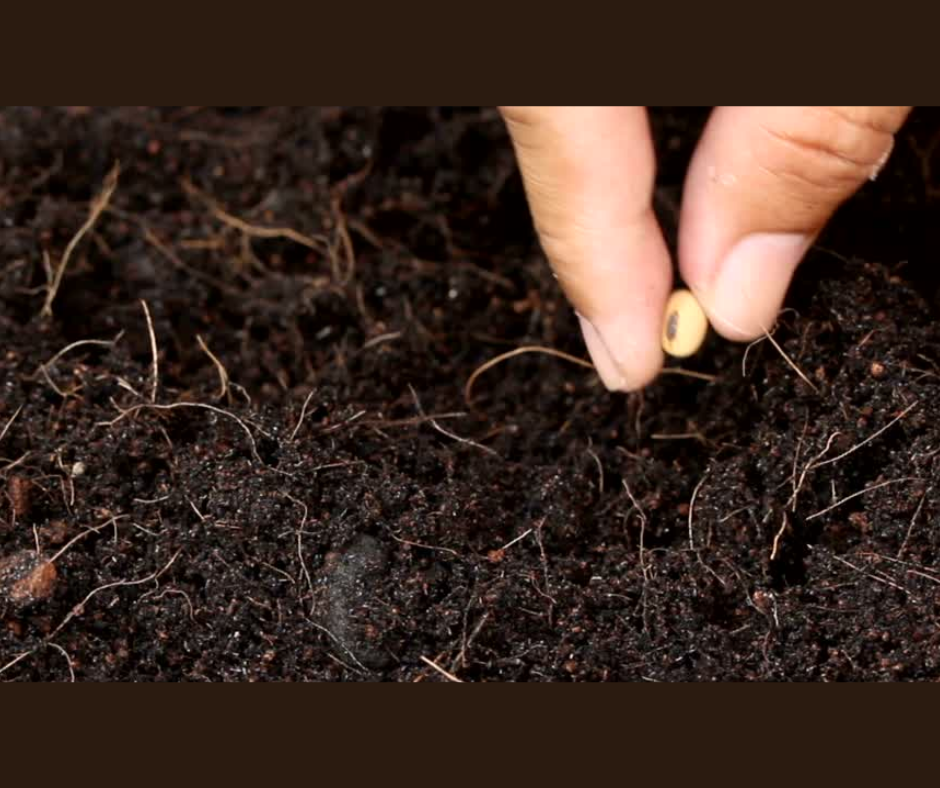
Sow seeds about ¼ inch deep and cover with a thin layer of soil. Seed typically germinates in 1 to 2 weeks. I like to start seeds in Cow Pots because they are eco-friendly and you can plant them right in the soil which lessens transplant shock.
Thin plants to 4 to 6 inches apart when they reach 1 to 2 inches. Transplant fennel seedlings before they become rootbound because they are not big on transplanting.
Varieties of Fennel
Dragon is a really dependable variety of Florence fennel with a juicy sweet flavor. Its slow to bolt which is good. It takes 60 days for baby and 90 for full size so can be used as a fall planting as well.
Bronze Leaf Fennel herb variety is a gorgeous reddish-bronze color. Tender Perennial so give it some mulch for winter.
Learn the difference between growing fennel as a bulb vegetable or a herb. This guide clarifies how to cultivate both varieties. This video explains the distinctions between Florence fennel, prized for its edible bulb, and regular fennel, which is harvested for its fragrant fronds and seeds.
Harvest and Flowering
Fennel often does not bloom until its second year, The flowers are very attractive to many beneficial insects including bees, wasps, lacewings, and butterflies including the swallowtail butterfly.
Harvest the bulb fennel once it reaches the size of a tennis ball. Cut it off at the base and shoots may resprout from the root; sprouts can be eaten while small.
You can gather the Fennel seeds too which are also used for flavoring
Medicinal Benefits
Fun fact - Charlemagne emperor of Rome required the cultivation of fennel on all imperial farms because of its celebrated medicinal properties and culinary value.
Chewing a few fennel seeds or drinking fennel tea is a traditional post-meal remedy used to reduce bloating and gas. To make the tea add a teaspoon of seeds to a tea strainer and Pour boiling water over the them. Let steep for 5-10 minutes.
Fennel is a supportive herb for women and helps reduce cramping during periods as well as encouraging lactation.
Dill is an all-around great herb. Delicious in cooking and a valuable companion plant in the garden.
Cooking Fennel
The herb is used fresh as a delicate garnish or herb substitute for dill, parsley, or cilantro in sauces, teas, and finished dishes. It goes well with fruit
The bulbs can be eaten raw when thinly sliced in salads and slaws for a crisp texture and fresh licorice or anise flavor, or cooked (roasted, braised, or air-fried) to soften and turn sweet and tender.
The seeds are commonly used whole in Italian sausage and in pastries.
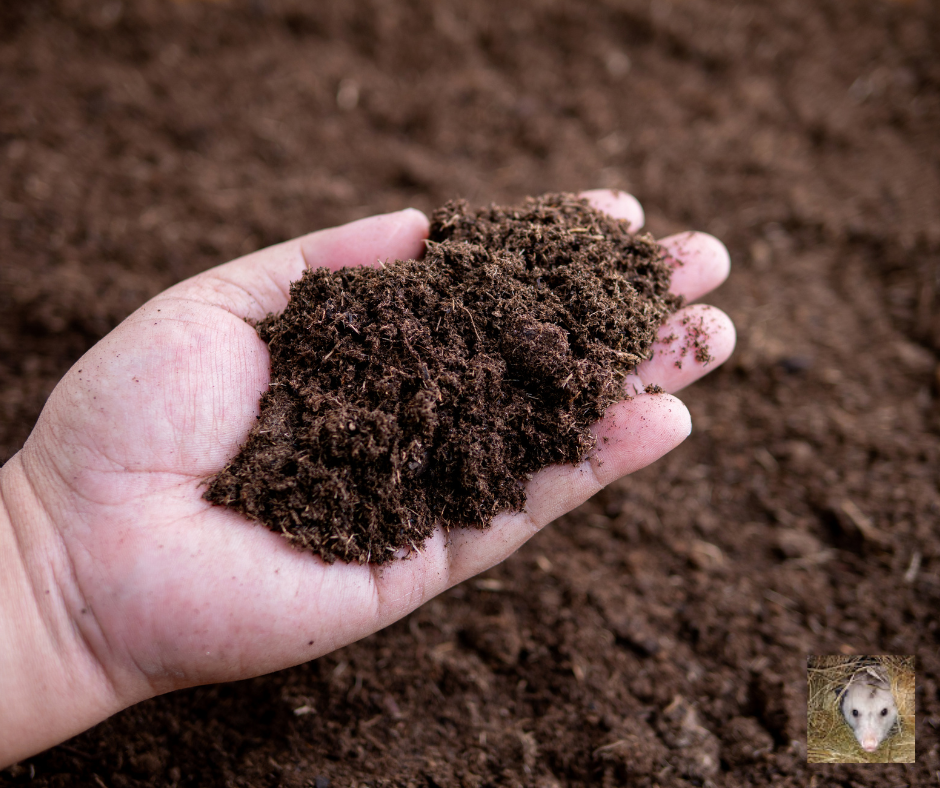
Every fall, millions of bags of leaves and garden waste are hauled away to landfills. But to an organic gardener, it isn't trash at all. It's the foundation of living soil. Pound for pound, the leaves of most trees contain twice as many minerals as manure. Today, let’s look at how you can turn your fall leaves into rich, living gold for free.