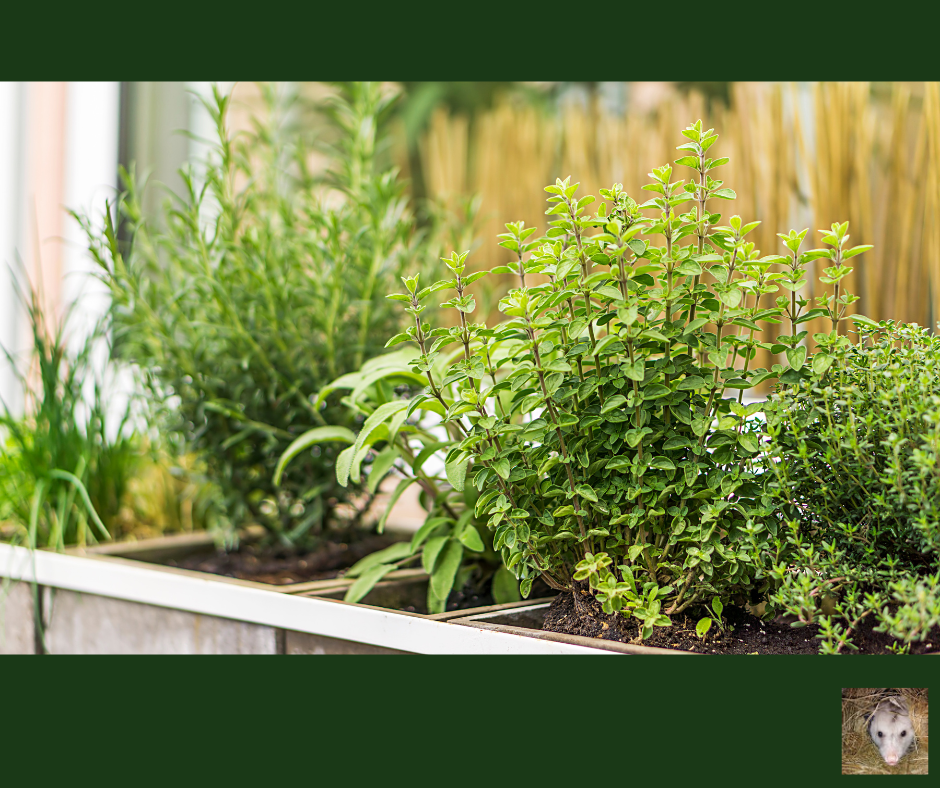
Many herbs add flavor to food. but thats not all. Herbs have natural compounds that have antioxidant, anti inflammatory, and antimicrobial properties. All those cool things that benefit our health and help us fight off germs.
Another health benefits of culinary herbs is that they help add flavor without relying heavily on salt, sugar, or processed sauces.
In this article we look at the health benefits of 7 common cooking herbs, how to use them medicinally, and growing tips.
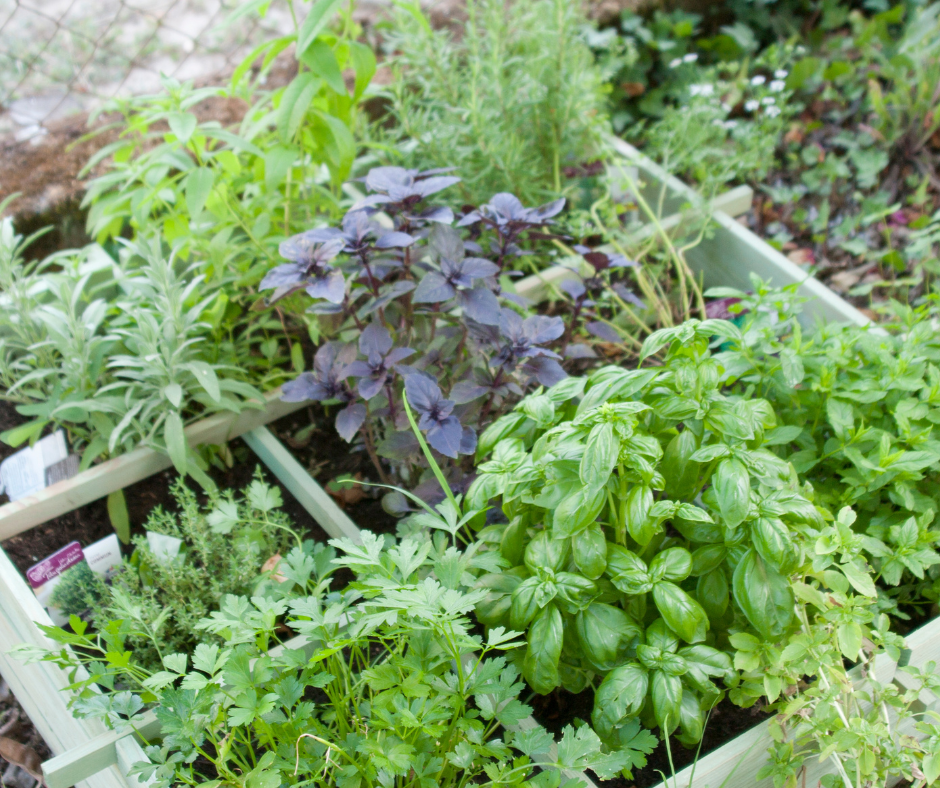
Kitchen herb garden
Thyme
Thyme is great for cooking. It works well on roasted vegetables, chicken dishes, stews, and homemade breads. Thyme is also one of the strongest culinary herbs when it comes to antimicrobial properties. It contains antioxidants that help protect cells from oxidative stress. Oxidative stress is damage caused by unstable molecules called free radicals, which are linked to aging and chronic disease. Researchers have found that thyme may help reduce inflammation and support immune health.
Thyme is warming and drying. So its helpful when you have symptoms of a cold especially a cough. Traditionally, thyme has been put in teas and soups when sick because its oils may help loosen mucus and soothe irritation. Its also been shown to provide antioxidants that help protect our cells from oxidative stress which are linked to aging and chronic disease.
To make tea use 1 teaspoon of dried thyme or 2 teaspoons of fresh thyme sprigs per cup of water.
Oregano
Oregano is a fabulous herb and easy to use in tomato sauces, roasted potatoes, pizza, pasta dishes, and salads. Blend fresh oregano into olive oil for dipping bread or my favorite drizzled over cooked carrots. Oregano is commonly associated with Mediterranean diets, which are linked with lower rates of heart disease and some chronic illnesses.
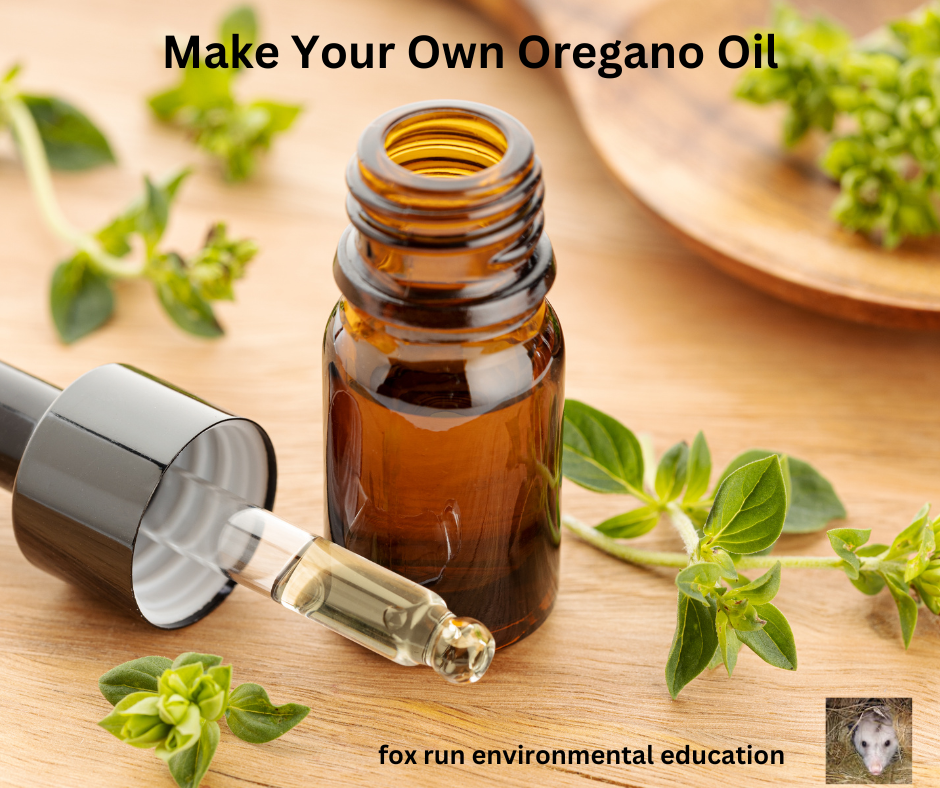
Studies have shown oregano has strong antimicrobial properties, and may help slow the growth of certain bacteria and fungi. You can purchase oregano oil or make your own.
Make Oregano Oil
What You Need:
1/2 cup dried oregano or a packed half-jar of crushed fresh oregano
Extra-virgin olive oil
Clean, sterilized glass jar with a tight lid
Cheesecloth or a fine mesh strainer
Dark amber glass bottle for storage
Step-by-Step Instructions
Prep the herbs: If using fresh oregano, wash and dry the leaves completely so no water remains, then chop or crush them to release the natural oils.
Combine in a jar: Place your oregano into the glass jar and pour the oil over it until the leaves are fully submerged and covered by an inch or two of oil.
Heat gently: Place your sealed jar into a pot of hot water (turn off the heat after boiling the water first) and let it sit for about 15 minutes to jump-start the infusion.
Steep the mixture: Remove the jar and store it in a cool, dark place for 2 to 4 weeks. Shake the jar gently once a day.
Strain and store: Pour the oil through cheesecloth or a fine strainer into your dark glass bottle, squeezing out as much liquid as possible from the leaves
That oregano oil is highly effective against bacteria, and viruses and is useful for treating infections. I take a few drops several times a day whenever I feel like my cold is going down in my lungs. Feeling gassy and bloated? Oregano stimulates bile flow and helps alleviate indigestion and bloating.
Oregano thrives in a sunny spot with well-draining soil. Let the soil dry out completely between deep waterings to prevent root rot. Pinch back growing tips regularly to encourage a bushy plant, and harvest leaves just before the plant blooms for the most intense flavor.
Lemon Balm
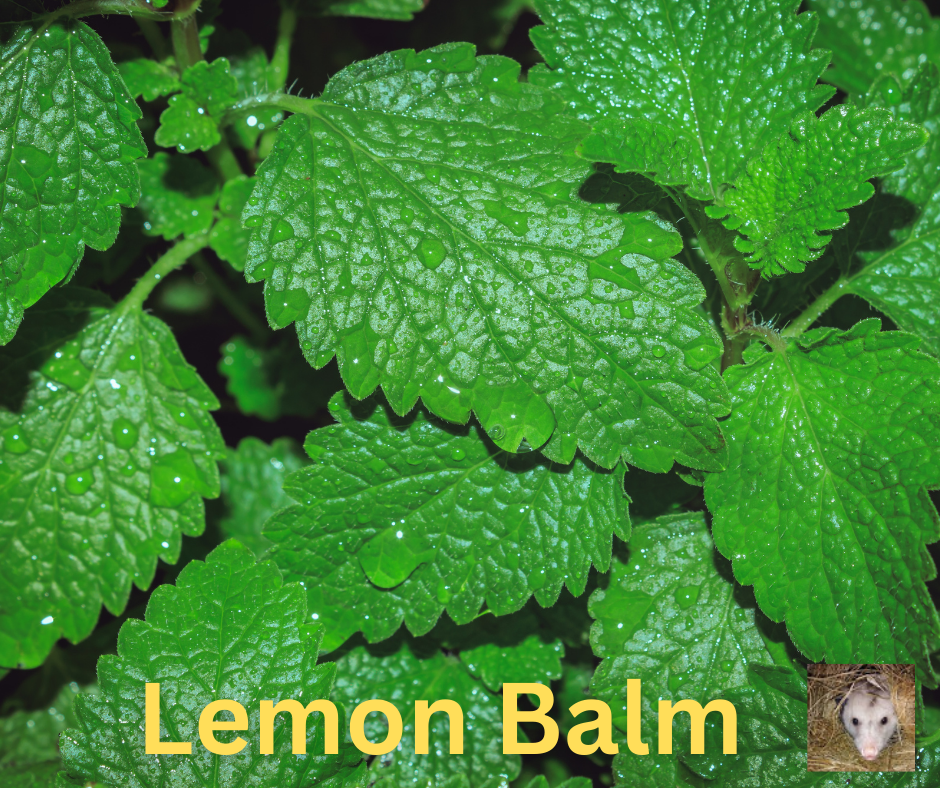
Lemon balm is a member of the mint family and has been used for centuries as a calming herb. The fresh leaves have a light lemon scent so it works well in tea, fruit dishes, salads, and cold drinks. It contains compounds that researchers believe may help support relaxation and reduce mild stress.
Some studies suggest lemon balm may help improve sleep quality and mood when used as a tea or extract. Lemon balm makes a very tasty citrus flavor tea. To make tea with fresh leaves place a handful of fresh leaves in a cup. Pour hot water over them. Steep for 5–10 minutes.
While we are talking about physical health lets not neglect mental health. Lemon balm has a very soothing smell and can be dried for potpourri or aromatherapy to help us feel less stressed.
Many gardeners grow lemon balm because it attracts pollinators like bees while also providing useful leaves for the kitchen.So another plus - herbs can grow in small spaces and many in shady spots. Lemon balm also does well in partial shade.
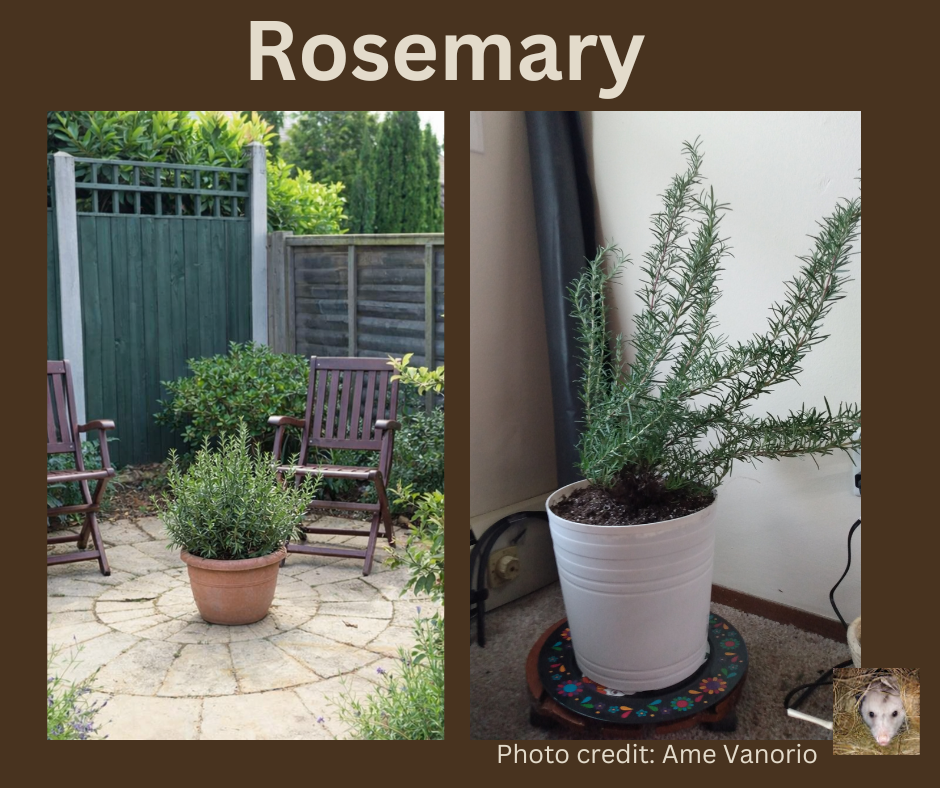
My rosemary tends to get a little spindly inside in the winter but its worth digging up a plant or two to bring inside.
Rosemary
In cooking, rosemary pairs well with potatoes, breads, roasted root vegetables, and soups. One simple way to use rosemary for health is to infuse it into olive oil. Make rosemary infused olive oil by heating 1 cup of extra-virgin olive oil with 1/4 cup of fresh rosemary on low for 30 minutes, cooling the mixture, and straining out the herbs. Rosemary essential oil is used for stimulating hair growth, reduce dandruff, and alleviate dry scalp. It is applied topically or inhaled via aromatherapy, but it should not be swallowed
Rosemary has long been associated with memory and concentration. While more human studies are needed, some research suggests rosemary aroma and compounds may influence cognitive function. Rosemary is also rich in antioxidants that may help protect cells from damage caused by free radicals.
If you are starting seeds to be planted in the garden sow them about 8 weeks before the last frost. Rosemary takes a long time to germinate - up to three weeks. For indoor plants, you can sow at any time. Use a light starting mix with lots of perlites and even some sand. In fact, my current indoor plant is in a soil mix designed for cactus. Plant seeds in slightly damp soil. Press them gently into the mixture. Rosemary needs light to germinate.
Dill is an all-around great herb. Delicious in cooking and a valuable companion plant in the garden.
Dill
I think we all think of pickles when we hear the word dill. However, lots of things can be pickled for preservation. In addition, dill is fun to add to salads and potato dishes, and is recommended for fish dishes, and makes yummy dips. The dill seeds and the greens can both be eaten.
Dill provides several medicinal qualities, primarily aiding digestion, reducing inflammation, and supplying antioxidants. It acts as a natural carminative to soothe the stomach, contains flavonoids to protect cells, and offers mild antimicrobial effects.
Dill relieves gas and bloating. It acts as a carminative to relax gut muscles and ease cramping.
Plant in full sun. Likes fertile loamy soil so add lots of compost. Dill also likes to be moist so make sure it gets enough water. Dill is best when direct sown in the garden. You can transplant it but it may wilt from transplant shock. Sow seeds 1/4" deep, four inches apart, in rows at least 3" apart. You can easily thin them if needed.
Dill does great in containers although you may have to prune it back to keep it manageable. That ok because you can use the trimmings in cooking. Fernleaf is a shorter variety that does well in containers.
Sage
In the kitchen, sage is excellent in stuffing, beans, and poultry. I love it in roasted squash dishes. Fresh sage can be steeped into tea or combined with lemon and honey during cold season.
Sage is one of my favorite herbs anytime I'm dealing with a sore throat. I like to make a cup of sage tea to sip on and put in some raw honey which are both very soothing to the throat. Sage is another herb rich in antioxidants and plant compounds.
Sage also contains lutein, a carotenoid important for eye health. Modern studies are exploring how sage compounds may help reduce oxidative stress and inflammation. Sage also contains lutein, a carotenoid important for eye health.
Basil is easy to grow and very productive. This video discusses the different varieties, how to grow, health benefits, and some tips on using basil.
Basil
Im half Italian and I was raised with the understanding that basil is a food group. Pesto, bruschetta, pasta dishes, and salads.
Basil is a highly nutritious herb Rich in vitamins A, K, and magnesium, it aids in reducing oxidative stress and managing metabolic disorders.
Basil helps reduce inflammation, combat bacteria, lower blood sugar, and support heart health. Essential oils in basil like eugenol inhibit enzymes that cause inflammation, helping with arthritis, heart conditions, and inflammatory bowel issues.
Basil essential oil acts as an insect repellent for the skin and does double duty as a good remedy for bee stings. Studies have shown that basil is good for repelling both mosquitoes and ticks.
Basil is easy to grow and very prolific. You can start basil inside about five weeks before your last frost. Place seeds in 18 trays or 2 - 3-inch pots. You can direct sow but the seeds are small so you might end up with lots of plants. Put thinning's in a salad. Fill pots with a lightweight organic seedling mix. Moisten the soil from the bottom. I do this by placing the seedling tray in a bigger tray filled with water and letting the soil soak up the water before planting.
Place seeds on top of the soil and gently press them in about 1/8 of an inch. Cover lightly with some pre-moistened soil. Some people like to mix some sand in with their soil to make it lighter.
Place seedlings in a warm place. Basil’s optimum germination temperature is 75 degrees Farenheight. Germination takes seven to ten days. Keep the soil moist but make sure to not overwater.
Read my article Growing and Using Basil
Author, Ame Vanorio, is a Master Gardener and Environmental Educator. She is the founder of Fox Run Environmental Education. Check out her books on Amazon.
Herbs are used in many ways. Medicinal herbs are plants that can help support your overall health. Scientific testing is showing positive results that support the ageless wisdom of our ancestors. Herbs can easily be made into teas, topical creams, and tinctures.