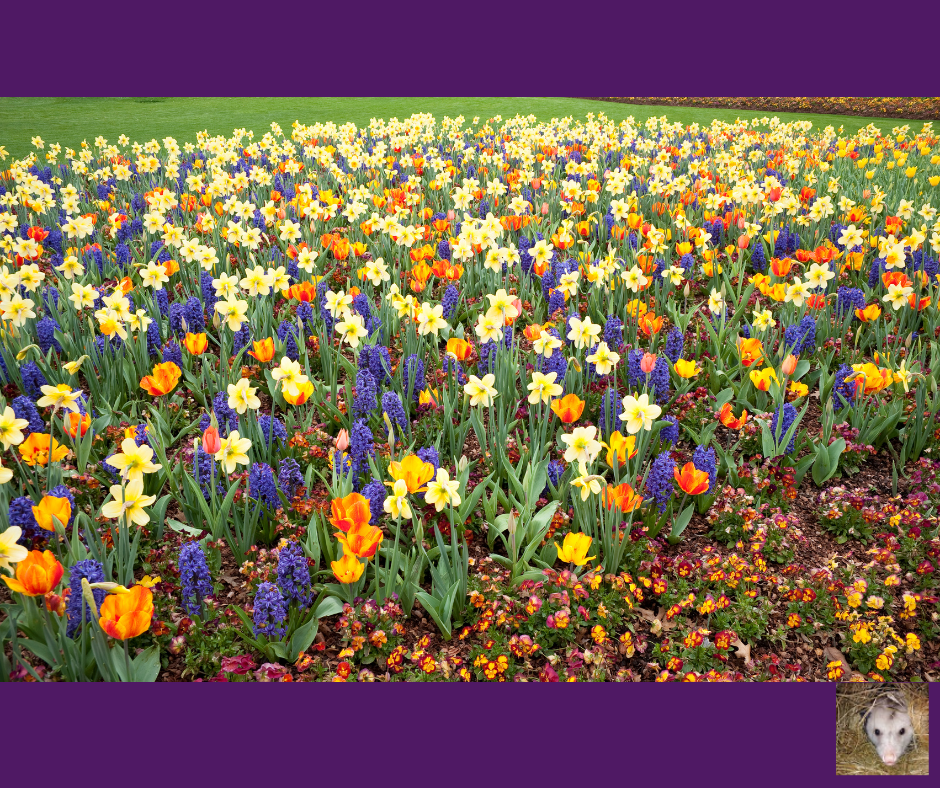
Planting bulb flowers in the fall is an excellent way to ensure a vibrant and colorful garden come spring. I love watching crocuses pop up through the snow. It energizes me. Planting bulb flowers in the fall is an excellent way to ensure a vibrant and colorful garden come spring.
In USDA Zones 5 & 6, the timing and selection of bulbs are crucial to achieving the best results. Let’s talk about when to plant some common bulbs, growing conditions, and some of the different options. Crocus, daffodil, hyacinth, and tulips.
Timing
The ideal time to plant bulbs in both Zone 5 & 6 is from late September through November, before the ground freezes. The soil temperature should be around 60°F (15°C) for optimal root development.
Get them in before the soil temperature drops below 50°F and gives the bulbs 2 to 6 weeks to grow roots before the ground freezes solid. This helps them be ready to grow when spring comes.
Bulbs do need a chill period. So if you are in the Deep South in Zones 8 and above, you will need to put your bulbs in the refrigerator for eight weeks, pretend it is winter, and then plant.
Check out the planting chart in the article.
Planting Bulbs
These are some general instructions for all bulbs. I will have specific instructions in each section. Its beneficial to prepare the soil before planting, especially if you are making a new bed. When planting bulbs make sure to deep dig the soil and add well-rotted compost. If your soil is heavy add some light potting soil, compost, and vermiculite.
Ensure your soil is well-draining. Bulbs will rot in waterlogged soil. You can improve drainage by adding compost or sand. A general rule is to plant bulbs at a depth that is three times their height. I will go over specifics with each type.
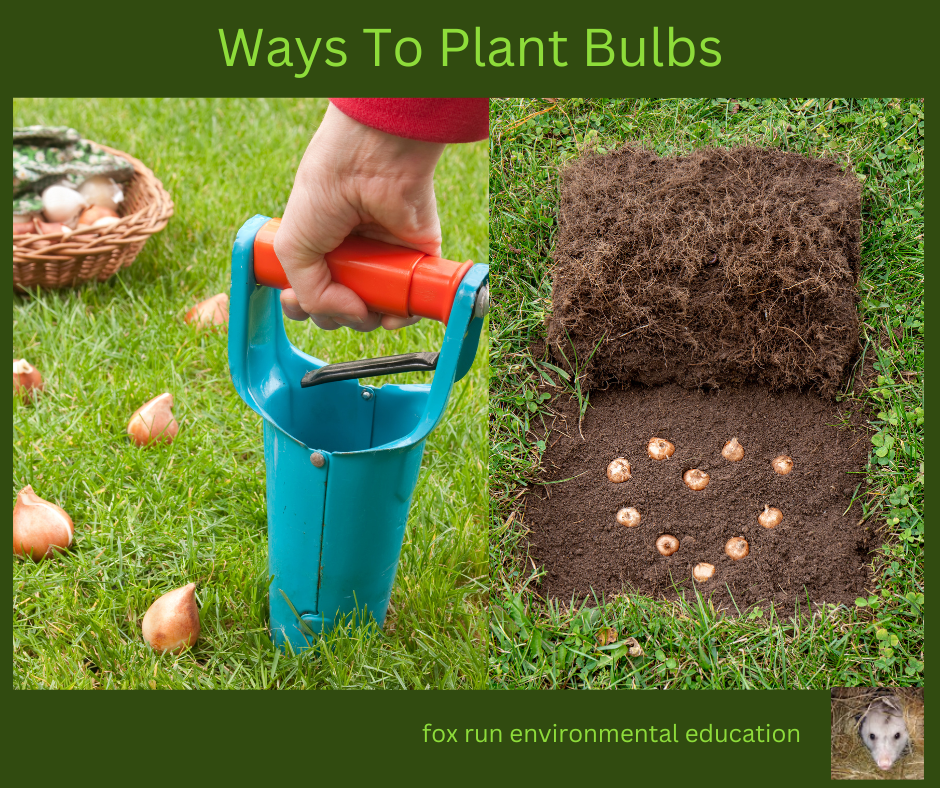
If you're planting a large amount of bulbs or don't have time to dig, then a bulb planter is a fabulous option. They typically have marks for depth and remove the sod so you just need to place the bulb in the hole and recover.
Another option is to use a garden spade and cut back the sod. Place the bulbs and recover. The advantage of these two methods is they are quick. The disadvantage is they don’t prepare the soil for optimum growth.
After planting, water the bulbs well to help them establish roots. However, avoid overwatering.
Put down a layer of mulch to protect bulbs during the fluctuations of winter weather. Make sure to place a sign where you plant so you remember come spring.
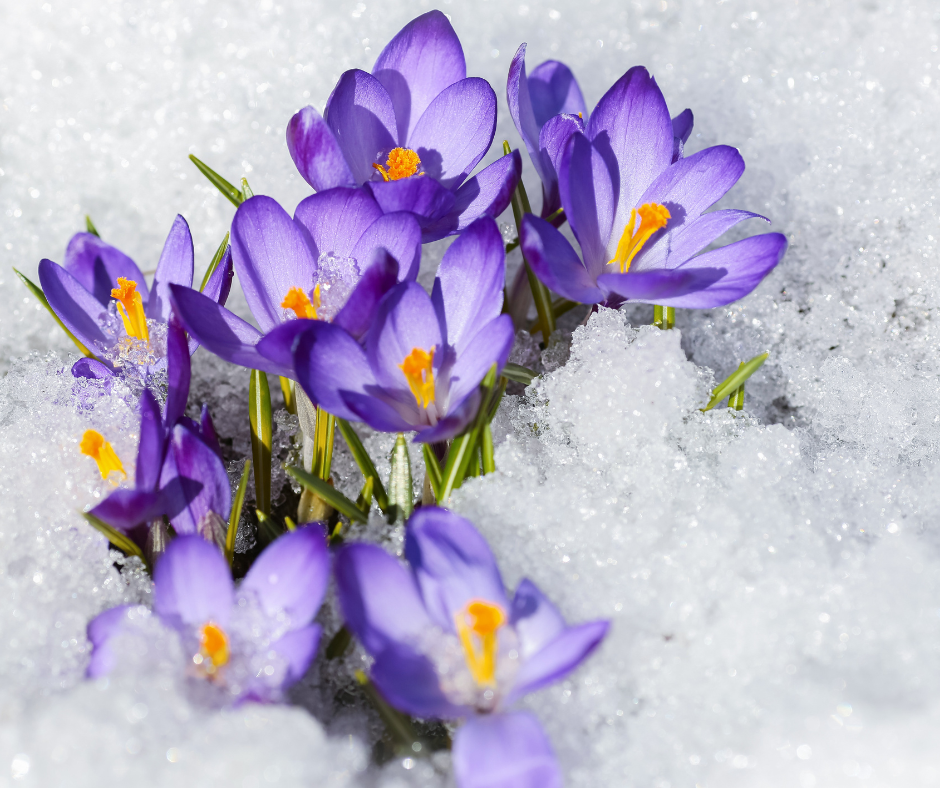
The crocus wins the race. I determine it’s spring by the crocus emerging from the snow.
Crocuses
Crocuses are among the first flowers to emerge in spring, often peeking through the last remnants of snow. Additionally, crocuses are relatively low-maintenance and are excellent for naturalizing, meaning they will multiply and return year after year with little effort on your part.
Plant crocus pointy side up about 3-4 inches deep. Space the bulbs about 2-3 inches apart. Crocuses prefer full sun to partial shade. They do well under deciduous trees because they bloom before the trees leaf out in the spring, allowing them to get plenty of sunlight. They also need well-drained soil. Start by loosening the soil to a depth of about 6 inches. If needed, mix in some compost and sand to improve drainage.
They’re not only beautiful but also incredibly resilient. They thrive in various settings, from garden beds to lawns and even containers. Many have strong perfumes that lure bees out of their hives in February or March, providing the pollinators with an important early-spring food source.
And they are critter-resistant. Deer, squirrels, and rabbits rarely bother crocus corms or flowers. Sometimes chipmunks and voles can be a problem. If they are plant the corms in wire cages or surround them with chicken wire.
Crocuses are excellent for naturalizing. Over the years, they will multiply and spread, creating beautiful carpets of color in your garden. To encourage this, avoid disturbing the bulbs and allow the foliage to die back naturally. This process helps the bulbs store energy for the next year’s blooms.
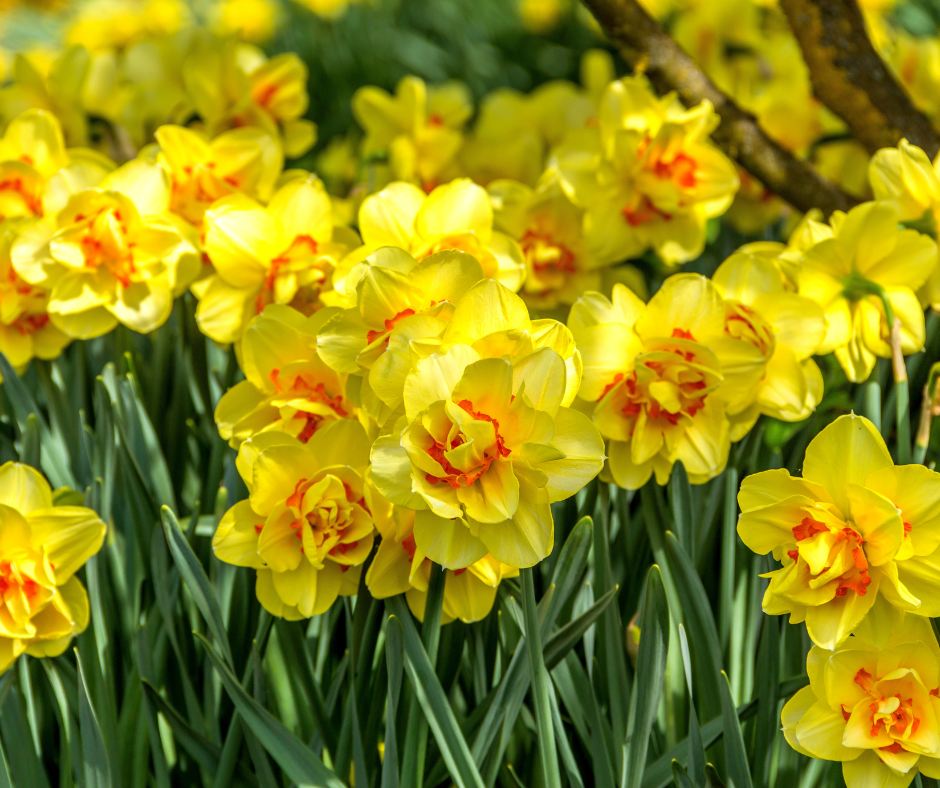
Welcome spring! A cluster of daffodils will bring a burst of joy in spring.
Daffodils
Daffodils are a beloved symbol of spring, with their cheerful yellow blooms heralding the end of winter. Typically we think of the classic yellow trumpets but daffodils come in some fun and exciting colors and textures. These hardy perennials are not only beautiful but also easy to grow.
They emerge at winter’s end to lift our spirits. Not as early as the crocus but daffodils will tolerate late snowfalls.
Select high-quality daffodil bulbs that aren't dried out. The larger the bulb, the better. Make sure the bulb feels firm. Bulbs are planted pointy side up. Begin by loosening the soil to a depth of about 12 inches. If your soil is heavy clay, mix in some compost or sand to improve drainage.
Plant daffodils 4 - 5 inches deep. They do best in well-drained soil, as they can rot if left in standing water. Space the bulbs about 6 inches apart. If you’re planting them in clusters, aim for an odd number of bulbs per group to create a more natural look.
Daffodils thrive in full sun to partial shade. When choosing a spot, consider planting them in borders, along fences, and under deciduous trees. Daffodils look particularly stunning when planted in large groups or naturalized in lawns, where they can create a sea of color.
Check out my store for fun activity books. Proceeds help wildlife rehabilitators
Daffodils contain something called oxalic acid which makes them taste bad. Voles and chipmunks tend to avoid them and deer typically don't eat the flowers.
If your soil is rich in organic matter, daffodils won’t need extra fertilizer. However, in poorer soils, you can foliar feed in early spring as the shoots start to emerge. I use Alaska Morbloom because it’s high in phosphorus. Phosphorus (P) builds strong roots and helps make flowers
Daffodils are excellent for naturalizing. If left undisturbed, they will multiply and return year after year, creating larger and more impressive displays. To encourage this, plant the bulbs in areas where they can remain undisturbed. Once the daffodils have finished blooming, resist the urge to cut back the foliage. The plant continues to absorb nutrients for about 6 weeks after the flowers have faded.
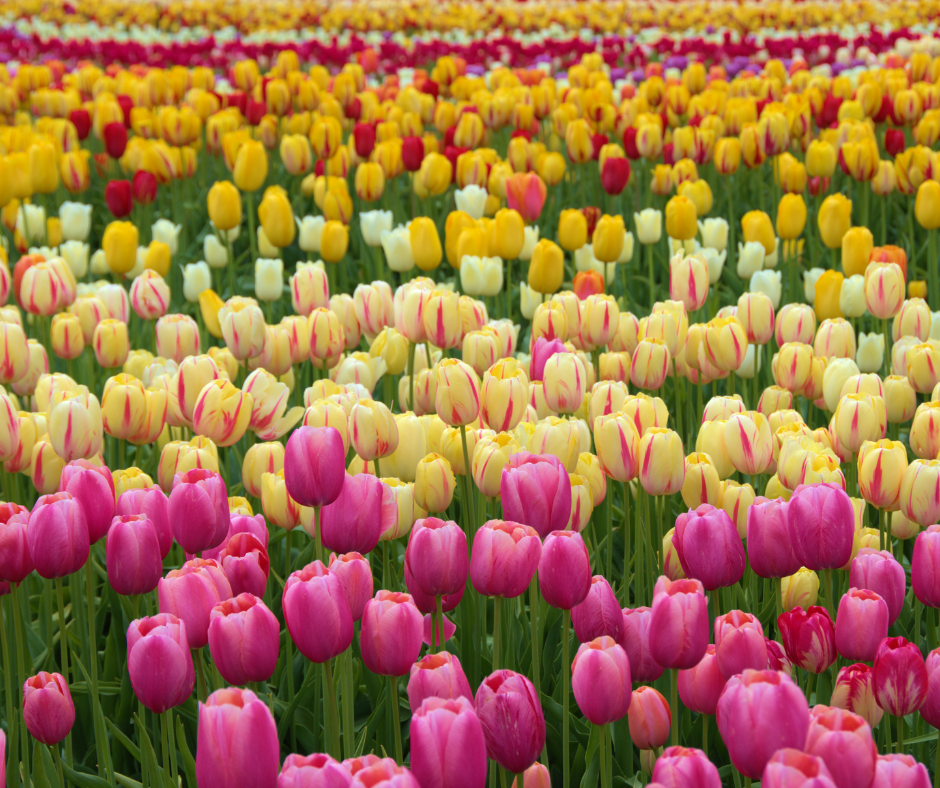
So many colors!
Tulips
Tulips are beloved for their stunning variety of colors, forms, and sizes. From classic single blooms to fringed, double, and parrot varieties, tulips can suit any garden style. I’m a sucker for the classic tall red ones.
Tulips thrive in full sun, requiring at least 6 hours of direct sunlight each day. They prefer well-drained soil, as soggy conditions can cause the bulbs to rot. Like other bulbs, if you have heavy clay soil, consider adding sand or compost to improve drainage.
Tulips also benefit from being planted in sheltered spots where they are protected from strong winds that can damage their tall stems. They look beautiful against a stone wall which offers them some protection. They look very stately along a walkway but will be more prone to wind damage. Plant them with daffodils to extend the bloom time. Look for a mix of early and late varieties to extend throughout spring.
Tulips need to be planted deeper than daffodils and crocus. Begin by loosening the soil to a depth of 12 inches. Add compost or well-rotted manure if necessary to improve fertility and drainage. Tulip bulbs should be planted about 6-8 inches deep.
Planting bulb flowers in the fall is an excellent way to ensure a vibrant and colorful garden come spring.
Space the bulbs 4-6 inches apart. For a more natural look, consider planting in clusters or drifts rather than in straight rows. Applying a layer of mulch can help retain moisture, regulate soil temperature, and protect the bulbs from freezing temperatures.
Tulips need a bit more TLC than other bulbs. After planting, water the bulbs well. During the growing season in spring, ensure the soil remains moist but not waterlogged. Avoid overhead watering, as it can lead to fungal issues. Tulips appreciate fertilizer. You can feed them in early spring when the shoots emerge.
Tulips are relatively pest-resistant, but watch out for issues like bulb rot, aphids, and fungal diseases. Planting in well-drained soil and ensuring good air circulation can help prevent many problems.
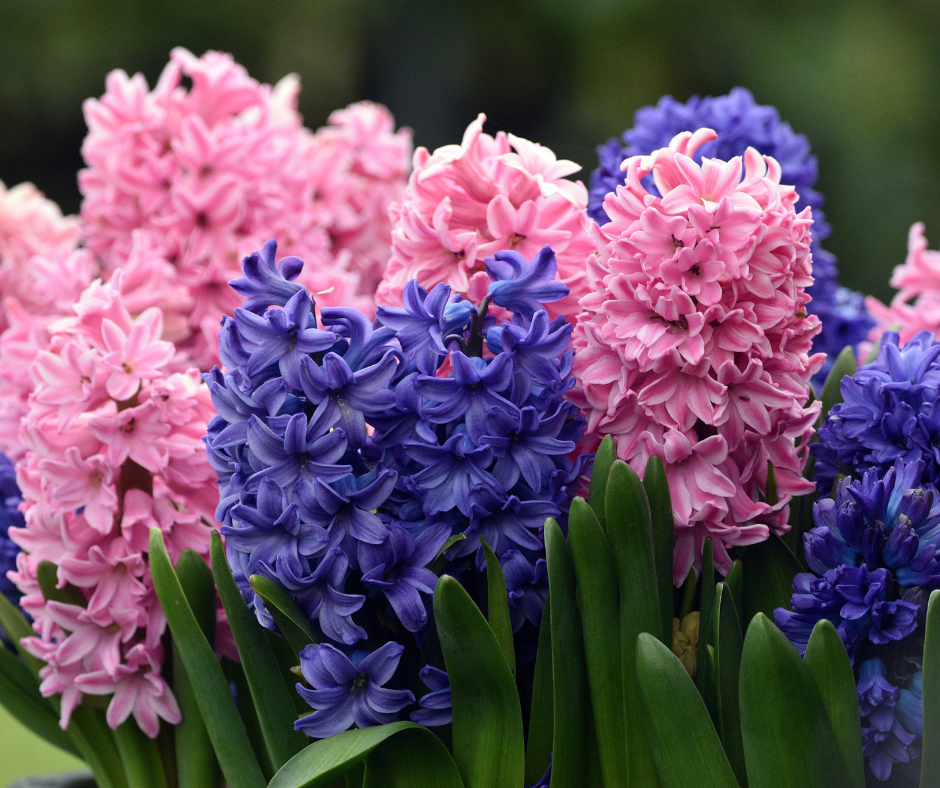
Hyacinths
Hyacinths smell so good! They are a beloved spring flower, known for their rich fragrance and vibrant colors. Hyacinths are a versatile and rewarding addition to any garden.
Hyacinths also are beneficial for pollinators such as honeybees, bumblebees, and mason bees.
Plant 6 - 8 inches deep. Space the bulbs about 4-6 inches apart. Hyacinths thrive in full sun to partial shade. Choose a location where the soil drains well, such as on a slight slope. Start by loosening the soil to a depth of about 10-12 inches. For a natural look, plant them in groups of five or more, either in rows or scattered for a more informal arrangement.
They prefer well-drained soil and can suffer from bulb rot if left in overly wet conditions. Adding a layer of mulch can help retain moisture and protect the bulbs from harsh winter temperatures.
Hyacinths look stunning when planted in groups, so consider planting them in clusters for a more impactful display. They are also excellent for borders, along walkways, or in containers where their fragrance can be fully appreciated.
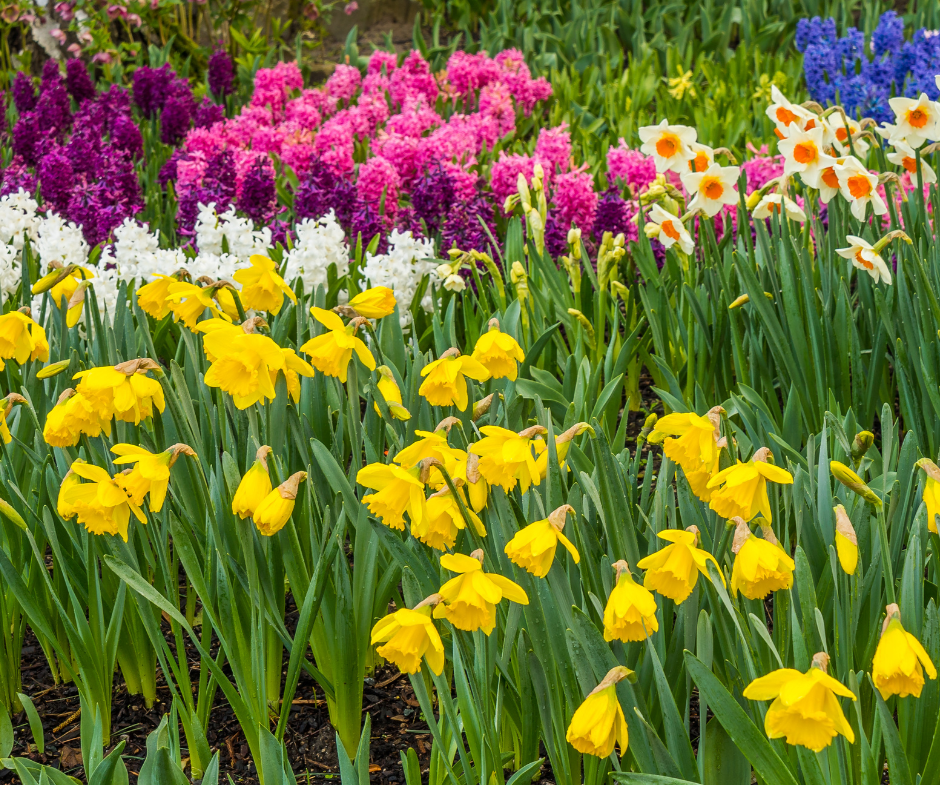
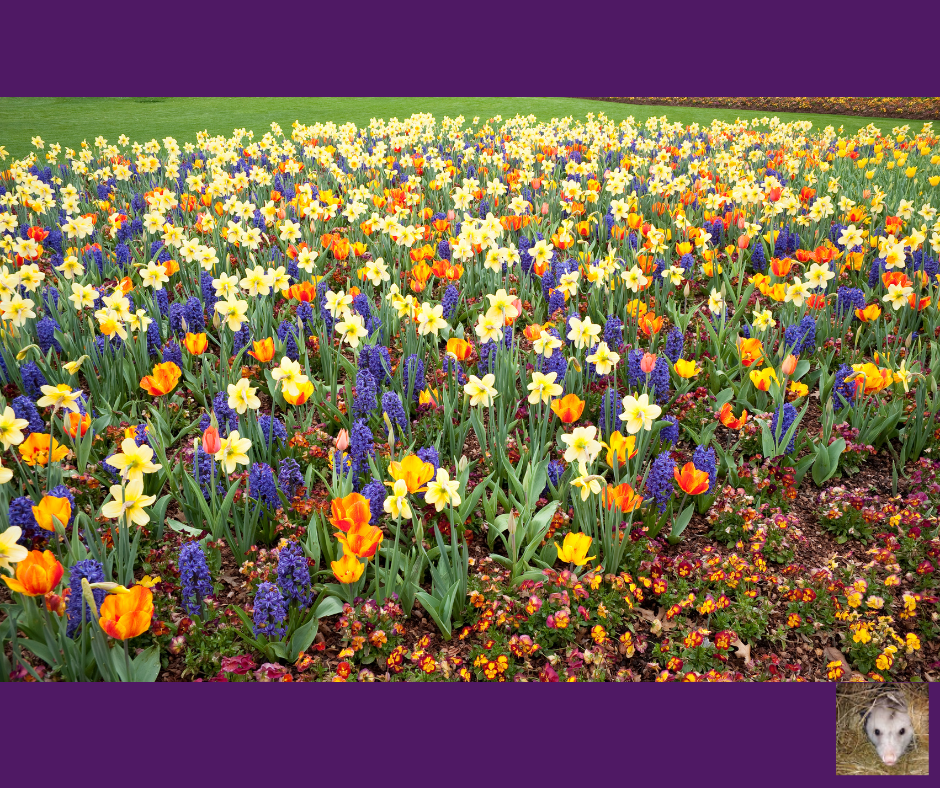
Planting a mix of species, bloom times, and different colors will make a stunning display over a couple of months.
Planting in Groups
I've talked about bulbs as if they get planted separately all the time. But bulbs look great planted together and they do have similar growing conditions.
They also work well with early spring annuals such as pansy's and violas.
You can plant all your bulbs together. Start with the larger deeper bulbs. Add soil and then plant your smaller bulbs. That way they are all at the correct depth.
Consider mixing them in with your flowering early perennials. I hope this video has been helpful. Let me know in the comments what plants or gardening tactics you would like to learn more about.
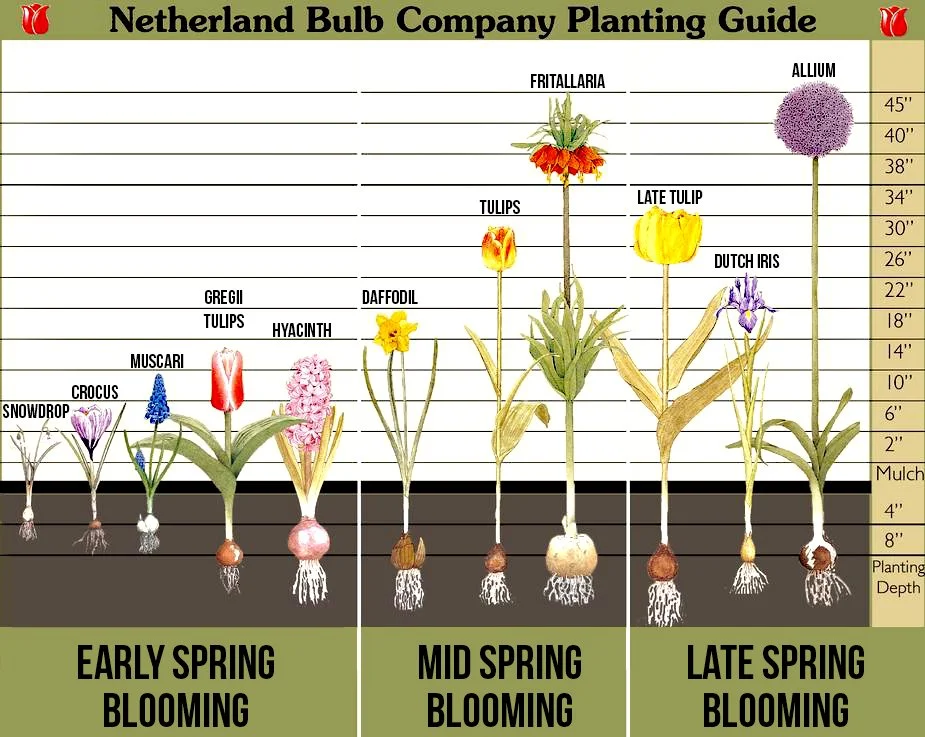
Planting chart for bulbs from Netherland Bulbs
Author, Ame Vanorio, loves the act of planting something in fall that will delight her in spring. Check out her wildlife and gardening books on Amazon.
Great for Nature Moms, Homeschoolers, and Summer Vacation! This fun and educational activity book will help your young student learn all about how to identify wildlife by their tracks.
This is the PDF version. If you prefer the paperback version is sold on Amazon for $8.99. Amazon paperback is B/W version
Matching, Memory, Label - each activity may be done with two levels. You can just use the pictures or add in the name cards for more of a reading opportunity.
Bingo - there are 4 different boards with animal pictures. Tokens for animals or tracks are available and you could also use the word cards.
Reading the names of the animal species.
Writing includes tracing, printing, and storytelling.
Math - measurement
Cut and Glue - fun craft to work on hand-eye coordination - make a raccoon, moose, and skunk
Experience some of the beautiful artwork of Larysa Zabrotskaya who illustrated two of the fun games.
The animals featured are:
*Deer *Raccoon *Hare *Squirrel *Skunk *Bear *Fox *Hedgehog *Wolf
*Owl *Crow *Duck *Moose *Lynx *Badger
8.5 x 11 inches (21.59 x 27.94 cm) PDF file. 58 Pages.
For best printing use high-quality paper. Colors may differ due to monitor/printer variations. Final quality depends on your printer and paper.
This is a digital download, no physical item will be shipped. Instant download items don’t accept returns, exchanges, or cancellations. However, please contact us if you have any issues.
Transparency statement: Some materials were made by me in the graphic design program Canva and some were purchased from Creative Fabrica. To my knowledge illustrations were hand-drawn. Coloring pages may be AI-generated.
SKU 001
© 2023 Fox Run Environmental Education Center
All rights reserved. No part of this book may be used in any manner without the expressed permission of the author. You may not reproduce, duplicate, or transmit the contents. This listing is for personal use only. These files cannot be used commercially or sold on a third-party platform. They may be used in classrooms or homeschools.