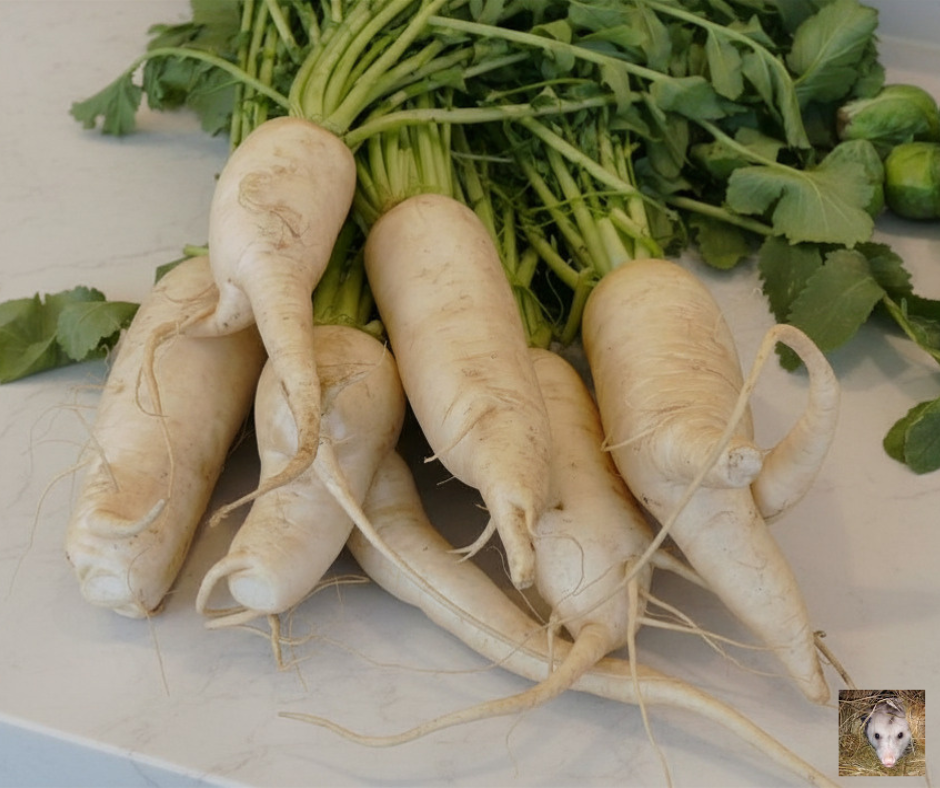
Parsnips (Pastinaca sativa) are a root crop, related to carrots and parsley. They are very cold hardy and do well for fall or overwintering. In fact they need a few weeks of cold weather to make them sweeter.
They are very under appreciated and have a sweet nutty flavor. Parsnips take longer then carrots to grow and can be a bit persnickety but I'm going to help you have a great crop.
Parsnips are a Biennial so they make storage roots their first season and produce seeds their second season. We typically harvest them during the first season for their nutrient packed roots.
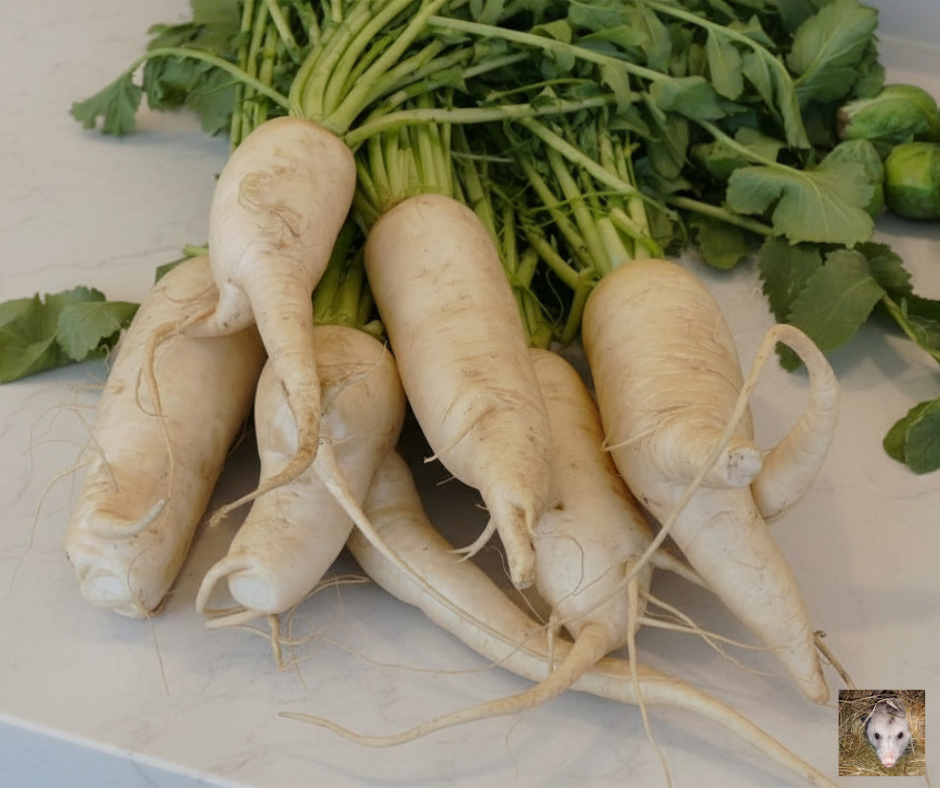
If you have heavy soil like me then your roots may be a bit mishappen! But that’s ok they still taste delicious. Using raised beds can help develop straighter roots.
Parsnip History
The parsnip is native to Europe and Asia. It was grown in ancient Rome and Emperor Tiberius famously had them imported from the Rhine region in Germany because the colder weather made the roots sweeter. Before cane sugar was available in Europe, they were actively used as a natural sweetener. Anglo-Saxons recorded eating them daily around 1000 A.D., and they also served as an important dietary staple during Catholic fasting periods. They were brought over to the Americas with the early colonists.
Varieties
Half Long
AKA Halblange Weisse is a German heirloom. The Half Long takes a good 5 months to mature. They do well in clay soil because they have a thick shoulder tapering to a stocky point. They grow 8 to 10-inches. A very reliable variety.
All American
One of the fastest maturing varieties, All American takes 95 - 105 days and has a shorter root about 10 inches. They can be left in the ground well into the winter or stored in a root cellar.
Harris
Heirloom, open-pollinated variety, Harris roots average 10–12 inches long
Soil Preparation
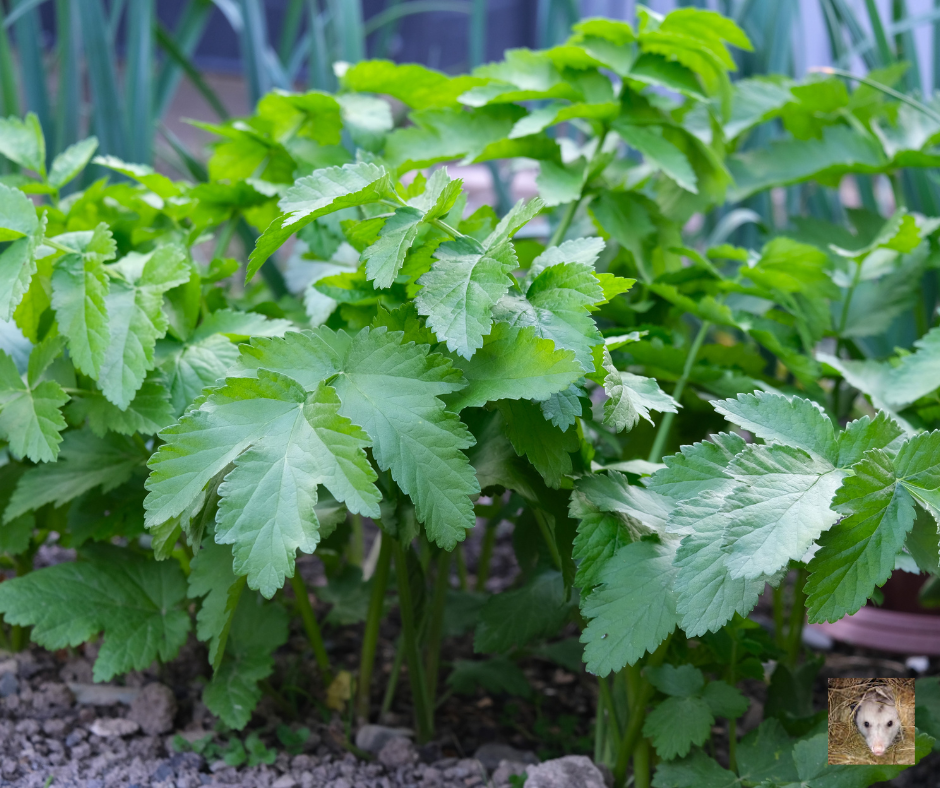
Parsnips need well-drained soil, and a pH range between 6.0-6.8. Deep, loose, soil worked to at least 12 inches. Some varieties grow longer. They do very well in raised beds. I grew them in a stock tank/raised bed one year and they did very well.
They prefer full sun but will do well with part sun at least 5 hours a day. Add some well aged compost. Not too much nitrogen because then you will encourage more leaf growth versus root growth.
You can plant in spring or late summer for a fall or winter crop. Parsnips take 3 - 5 months to grow depending on the variety and need to mature in cooler weather. You don't want to harvest till AFTER frost. So time out your days of maturity with your first expected frost date.
Seed Starting
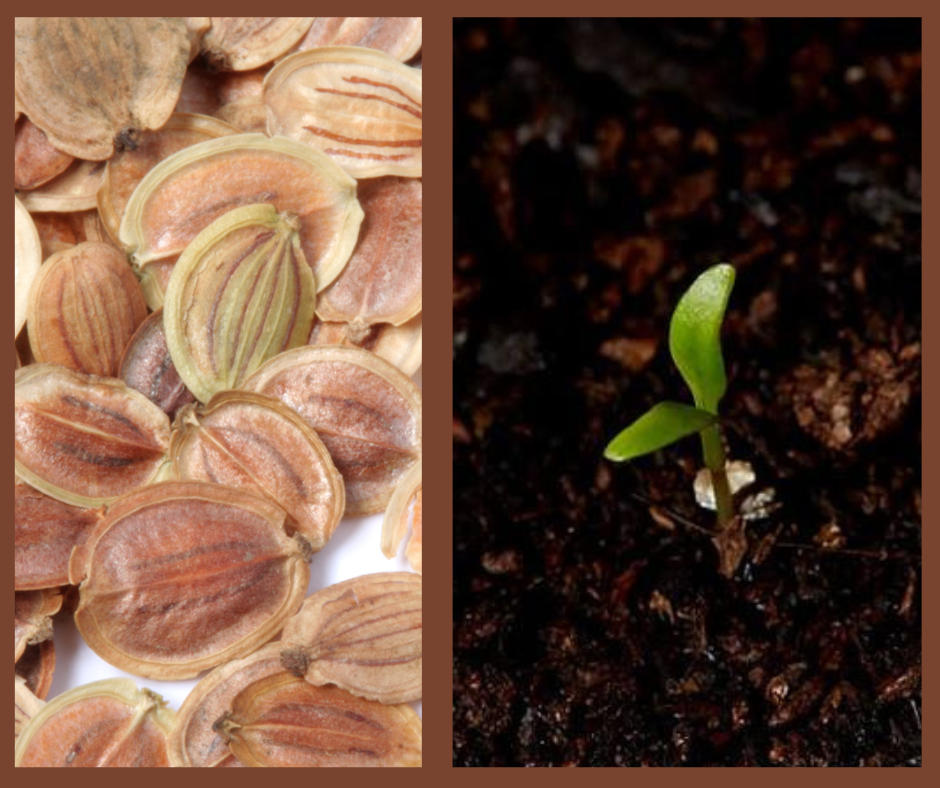
You can start seeds inside or direct sow. Parsnips are very slow to germinate so be patient. They take up to three weeks and the soil needs to be kept moist. This is one reason I prefer to sow inside. I use Cow Pots because they reduce transplant shock and more environmentally friendly compared to peat.
Make sure you have fresh seeds as they don't have a long shelf life. Typically the viability drops 50% in just one year. You can pre-sprout in paper towels to check if your seeds are healthy.
Minimum germination temperature 46°F if you want to get a jump in early spring. Optimal soil temperature is 55–70°F. Slow to germinate (14–21 days). Take a mister and spray the top of the soil daily. Sow seeds ½ inch deep or 1.27 cm. In pots put two seeds per pot and if outside sow every three inches. This is because average germination rates are only about 60%.
Thin to six inches or 15 centimeters apart. Don't pull thinning's. Use scissors to cut them off. That way you don't disturb roots.
Parsnips don’t compete well with weeds, especially when they are young. So try to stay on top of the weeds.
Pests and Diseases
Parsnips are in the carrot family and while they are generally more hardy they can get related diseases.
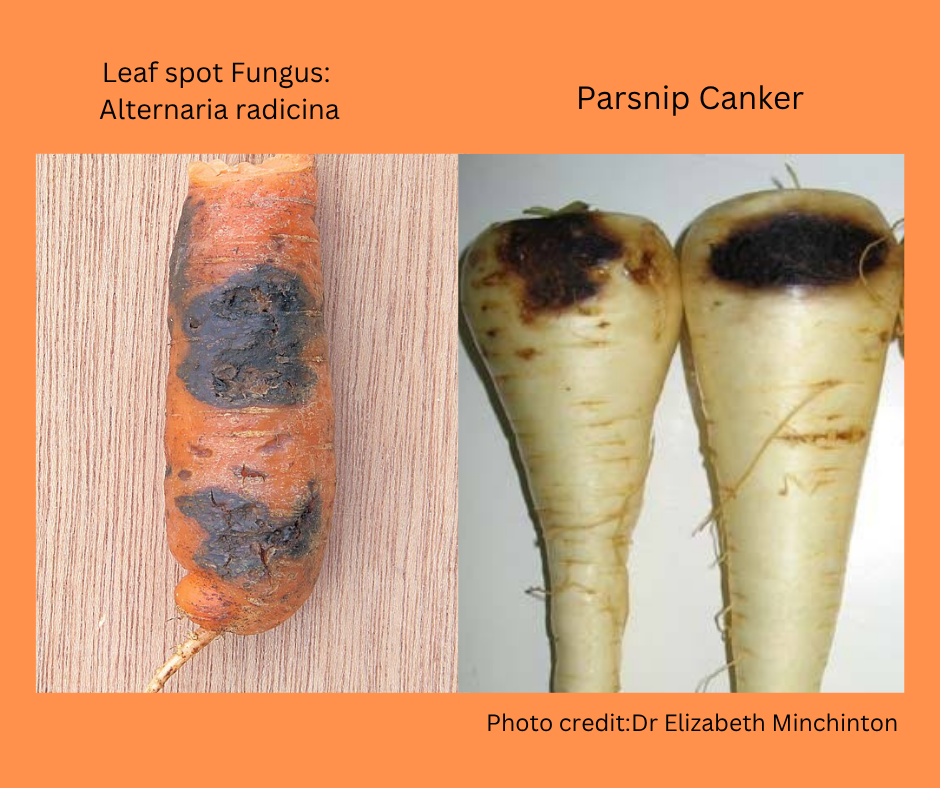
Leaf Spot
Leaf spot funguses start as small, round brown-black spots with white centers. It can spread to the leaves and cause plants to defoliate. It’s caused by fungi such as Alternaria or Cercospora.
Parsnip Canker
Parsnip canker on the right occurs at the top of the root and creates dark, sunken lesions on the crowns. It thrives in cool, wet autumn weather and often targets roots previously damaged by pests like the carrot rust fly. It’s a fungal disease complex primarily caused by the pathogens Itersonilia pastinacae and Calophoma complanata.
Carrot Rust Fly
Carrot rust flies are common garden pests that lay eggs at the base of root crops, including carrots, parsnips, and celery. After hatching, the larvae burrow into the roots, leaving rusty-brown tunnels and frass, which can stunt plant growth.

Prevention
Air Circulation: Make sure your beds have good air circulation and there is room between plants.
Hill the Crowns: Mound soil or compost up over the exposed shoulders of the parsnips as they grow to prevent fungal spores from settling on the root crown.
Crop Rotation: Do not plant parsnips, carrots, celery, or parsley in the same soil for at least 3 to 4 years to prevent the buildup of soil-borne fungal spores.
Row cover and Garden Netting can help keep the adult flies away. Also companion plants like rosemary, sage, or onions deter them.
Sticky traps at ground level can catch adults.
Learn how to grow parsnips for a sweet, nutty harvest. This guide covers the best methods for planting parsnip seeds and preparing soil.
Fall Care
Parsnips will taste better after a few fall frosts. They convert starches to sugars which makes them taste sweeter! In fall, cut back on watering unless the soil is completely dried out. This helps prevent the roots from cracking or splitting. Carefully dig them out using a garden fork or a shovel rather than pulling them by the greens, as their long roots break easily.
To overwinter or just keep harvesting, heavily mulch them with 4 to 8 inches of straw or chopped leaves to safely overwinter. They will be ok in the ground but dont pull them if the ground freezes. If you have a thaw you can dig some up for winter meals.
Roots harvested in early spring are especially tender and sweet. However, they will lose flavor and become fibrous if you do not harvest them before new tops and seed stalks begin to grow. The are biennials so they start to grow in order to produce seeds.
Root Cellar Storage
If your soil freezes solid and you do not want to (or cant ) dig through frozen soil, you can dig them up in the fall and store them in a cool location such as a root cellar or basement.
Don’t wash them but trim the green tops to one inch long.
Layer then in a container of slightly dampened sand or sawdust so the roots do not touch one another.
Store the container in a cold, dark, and humid location (like a root cellar or an unheated garage) where temperatures stay just above freezing.
Read my blog: Cold Hardy Vegetables For Winter Harvests in Zone 5 & 6
Rash
It's rare but a few people may experience a rash when coming in contact with the leaves during sunny weather. All the parts of the parsnip contain furanocoumarin chemicals which protects the plant against fungal attacks. If it happens to you, wash your hands thoroughly with soap and water and wear gloves and long sleeves to prevent it from happening again.
Carrots can be tricky to grow. I share my experiences growing carrots from seed starting to harvest. Learn my personal favorite varieties.
Culinary Use
Highly versatile, perfect for roasting, mashing, boiling, or adding to chunky winter stews. You can also eat them raw in salads.
They are excellent roasted by themselves or diced with other root vegetables.
Roasted (The Classic Method)
Roasting brings out the absolute best flavor in parsnips, making them crispy on the outside and tender inside.
How-to: Preheat your oven to 425°F. Scrub, trim, and cut parsnips into 1/2-inch matchsticks or wedges. Toss them generously with olive oil, salt, and pepper on a baking sheet.
Cooking Time: Bake for 30–40 minutes, tossing halfway through, until golden brown and tender.
Tip: During the last 5 minutes of cooking, you can drizzle them with honey or maple syrup for a sweet, caramelized glaze.
Roasted parsnips and honey mustard dressing make a spectacular combination. Try this yummy recipe.
Roast Parsnips and Carrots with Honey Mustard Glaze
Ingredients:
1/2 lb. carrots
1/2 lb. parsnips
Olive oil
salt, pepper
Honey Mustard Glaze:
2 tablespoons olive oil
2 tablespoons honey
2 tablespoons wholegrain or dijon mustard
Instructions:
Pre-heat the oven to 400°F
Wash and quarter or halve your roots.
Place in a bowl and add two tablespoons of olive oil, and 1 teaspoons salt, & pepper. Mix together and pour onto a baking pan.
Bake for thirty minutes. Make the glaze by whisking the olive oil, honey and mustard together.
Remove the vegetables from the oven, drizzle with the honey mustard glaze and put back in the oven for 15 minutes.
Let cool for 5 minutes and serve. YUM!
Mashed
Parsnips have a slightly nutty, sweet taste that makes a delicious mashed similar to mashed potatoes. Peel and chop parsnips into 1-inch chunks. Boil in salted water for 15–20 minutes until fork-tender. Drain. Mash with butter, optional - heavy cream or milk, and your favorite seasonings.
Tip: You can blend them 50/50 with regular potatoes, carrots, or cauliflower
Soups and Stews
Parsnips are a fabulous addition to hearty soups and stews. Dice parsnips and throw them into your pot alongside root vegetables like potatoes, carrots, or sweet potatoes.
Author, Ame Vanorio, is a Master Gardener, Environmental Educator, and Author. Check out the Books page.

Potatoes are a great, versatile food crop and are worth trying for many home gardeners. Potatoes at the grocery store are inexpensive, so many home gardeners don’t see a point in growing their own. But, nothing beats an organic, homegrown potato.