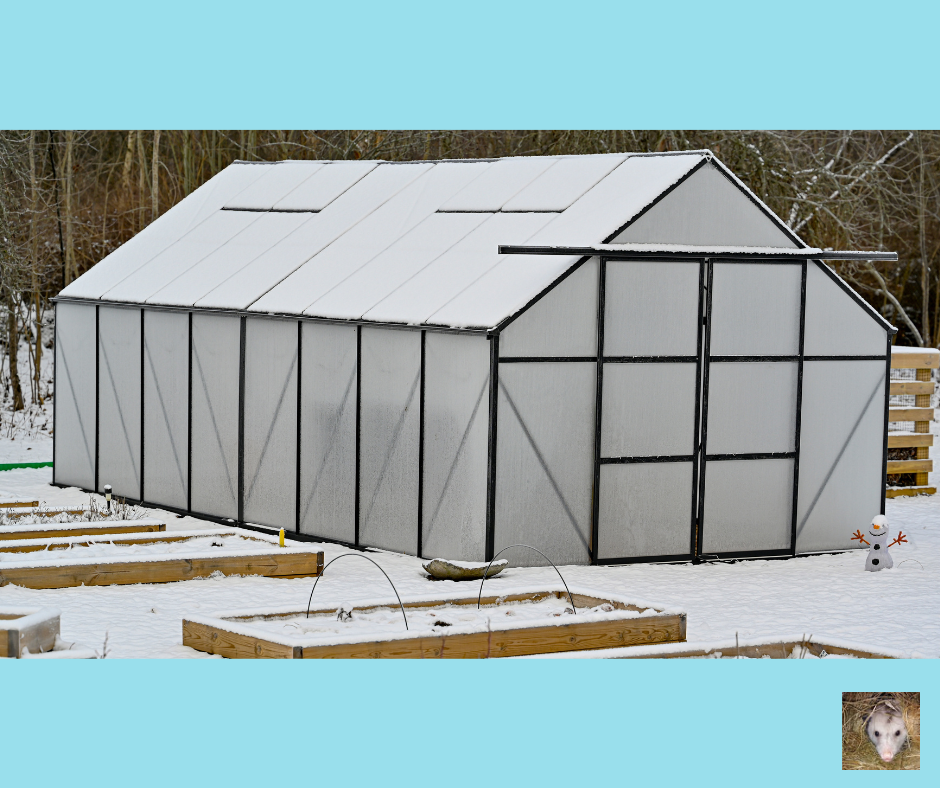
In the winter I crave fresh vegetables. My gardening goal is to extend my harvest as far as I can to provide food for my family all year. Today we are talking about hardy vegetables that are powerhouses in cold weather. Not only do these plants tolerate cold they are easy to grow and will thrive in many soil types.
I focus on USDA Zones 5 & 6 because I have extensive gardening experience in these areas.
Planning for Winter Harvests
The key is to protect the plants from the cold wind and ice of winter. The wind strips moisture from their leaves and because the soil is frozen it prevents the roots from carrying up more moisture. So the plants quickly dehydrate.
You don’t need a large structure. Yes, an uncovered greenhouse is fabulous but if you don’t have one - no problem. Covered hoop tunnels, cold frames, or a small cage you can cover with plastic over a container.
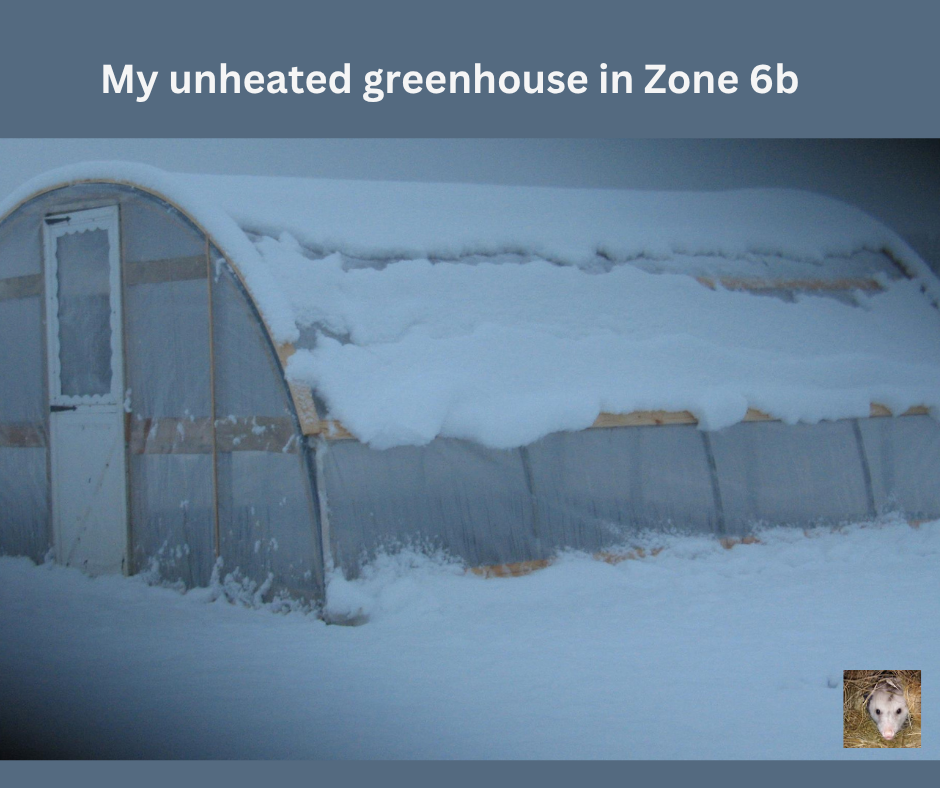
You don’t need a large structure. However, if you have a structure you use mostly in the spring for starting seeds using it in winter just increases your productivity.
Floating row cover can protect your crops from cold temperatures and wind. They come in different thicknesses (or grades). They heavier the weight the more protection it offers but also the less light it allows in. A medium weight allows 70% light transmission and gives 4-6°F for frost protection. This weight is great for extending your season. A heavyweight of garden fabric only allows 30-50% of light transmission but gives up to 8°F of frost protection for overwintering crops. They are durable enough to last for several seasons when handled with care.
Use heavy stones, soil, or earth staples to pin down row covers and cold frames. If possible, protect low tunnels by orienting them so the wind blows parallel to the rows.
You can even add a second layer of protection. If you have an unheated greenhouse or tunnel you can cover a row within it for added protection. Any type of lightweight floating row cover that allows light, air, and moisture go through is ok for the inner layer material in a cold frame.
You can also cover plants with straw and then a plastic row cover. Or use your spring cold frame to grow winter salad crops.
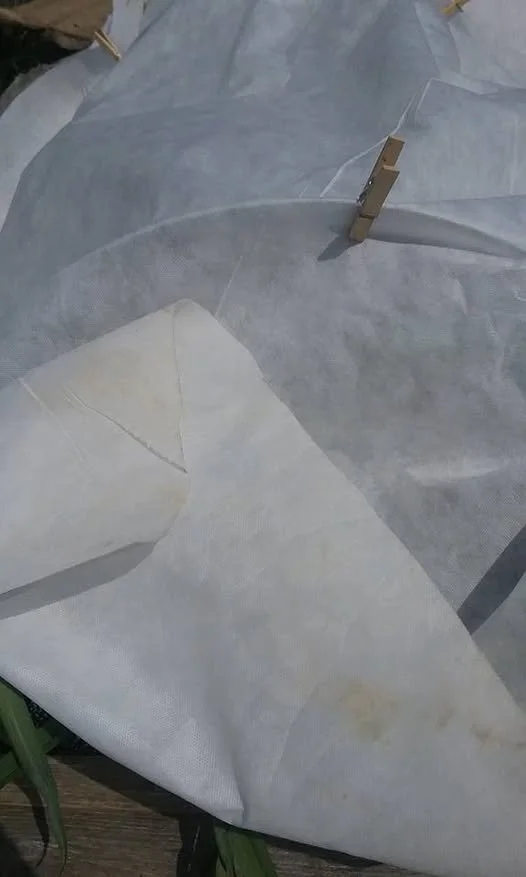
Heavy weight garden fabric cover
Use heavy stones, clothespins, and/or earth staples to pin down row covers and cold frames. If possible, protect low tunnels by orienting them so the your winter wind blows parallel to the rows.
Greens For Winter Weather
Buck’s-horn plantain (Plantago coronopus)
Buck’s-horn plantain (also known as Minutina, erba stella, or staghorn plantain) is an edible, cold-hardy leafy green native to Europe. Popular in Italy. Plants are perennial and re-grow after cutting. Its a cultivated species related to the common edible garden weed.
Sow seeds directly outdoors in early spring or fall. Sprinkle them thinly and press down gently—do not cover with soil, as light is required for germination. Prefers full sun to partial shade in well-draining soil. It is highly adaptable to poor or sandy soils and coastal exposure.
Pick tender young leaves before the plant flowers, as older leaves get tough.
Has an almost crunchy, nutty, mild flavor. Often used in salads it is commonly used in Tuscan bean dishes, with eggs, salads or lightly sautéed as a spinach alternative
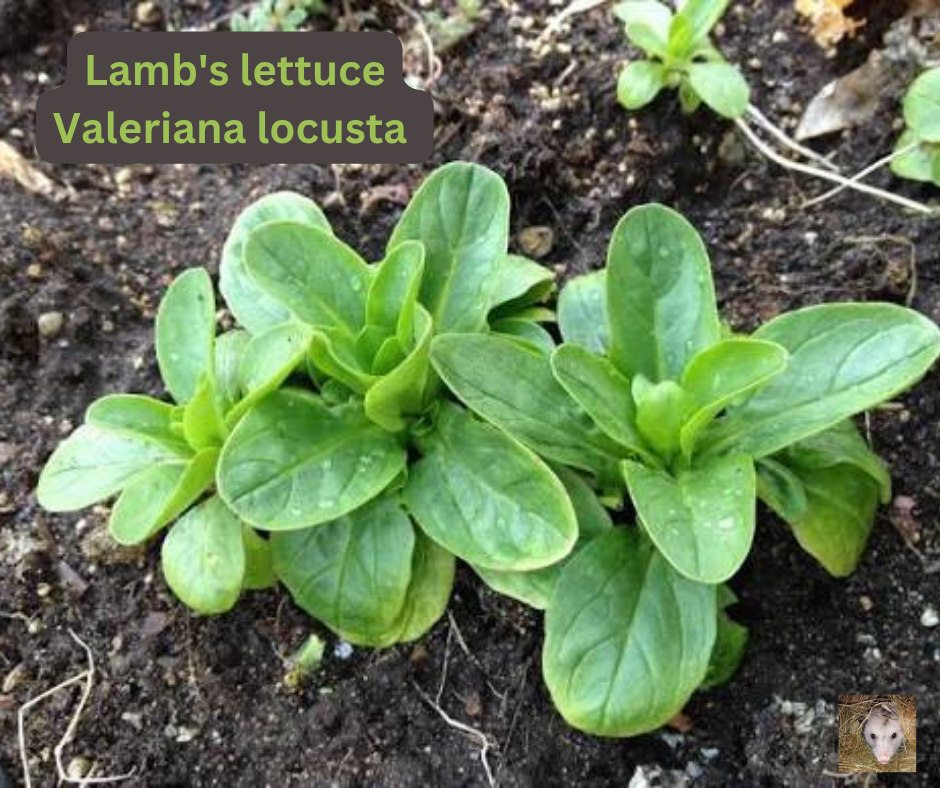
Lamb's lettuce (Valeriana locusta)
Commonly called Mache, or corn salad, its native to Europe, western Asia and north Africa. Its cold hardy and will bolt quickly in warm weather.
It came to fame when Elliot Coleman wrote about growing it in his unheated greenhouse through the winter in Maine.
Plant seeds in late mid august for zone 5 and early September for zone 6 so the plants mature to their full size before the dark, cold days of winter arrive. Like other greens using succession planting is a great strategy. While lambs lettuce will do fabulous outside in fall and will easily tolerate frost it needs to be covered for winter. With protection it can survive down to -20°F.
But, while it survives below freezing weather it wont grow much due to lack of sun. The shorter daylength tells the plant to stop growing so make sure you plant enough to harvest.
It has a slightly nutty flavor and is typically used as a salad green. It has three times as much vitamin C as lettuce, so a great green for winter cold season.
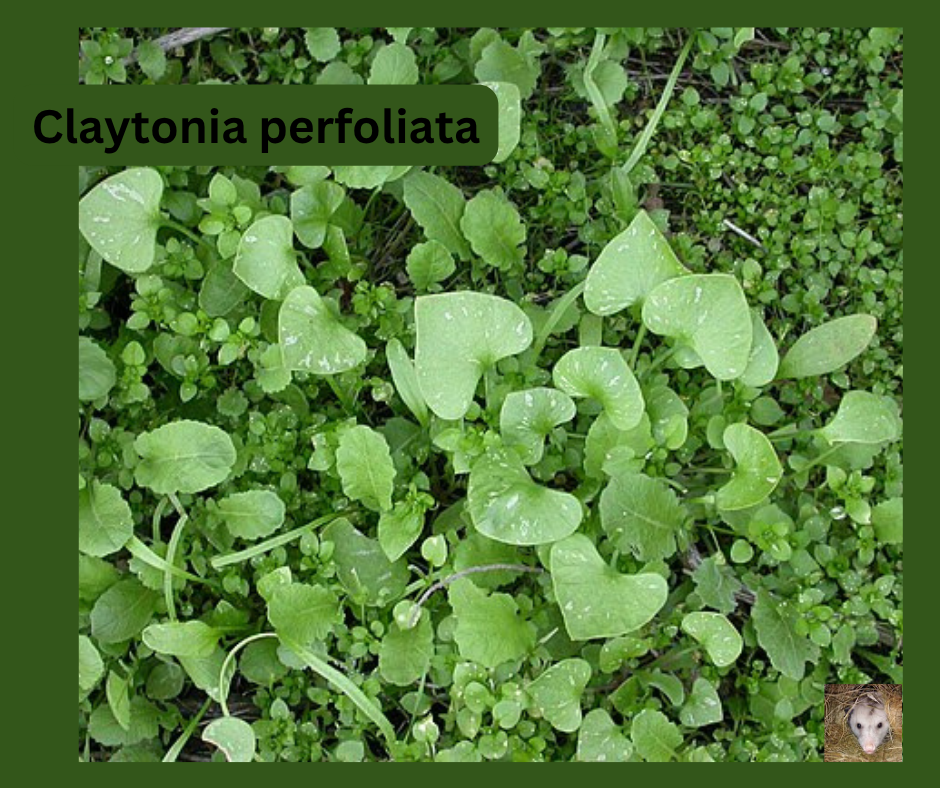
Miner’s Lettuce (Claytonia perfoliata)
Commonly called miner's lettuce because it was foraged during the goldrush. Claytonia naturally grows in cool, moist, and shady places. And its fast. Takes only 40 days to reach maturity.
Miners lettuce is also called winter purslane. You can direct sow it in spring or fall. It will reseed itself.
I grew it all winter in my Kentucky unheated greenhouse. Last year in Wisconsin I had it in a cold frame and it became unhappy in January but did start to regrow in March. In zone 5 direct seed in late August and in mid September for zone 6.
Miners lettuce is native to the western coastal regions of North America. Wild varieties dont produce quite as many leaves but can be foraged. Gather the leaves in spring.
Most commonly, it is eaten raw in salads, but it is not quite as delicate as cultivated lettuce. It can also be boiled like spinach. Its high in vitamin C. It has a slightly nutty flavor and is typically used as a salad green. It has three times as much vitamin C as lettuce, so a great green for winter cold season.
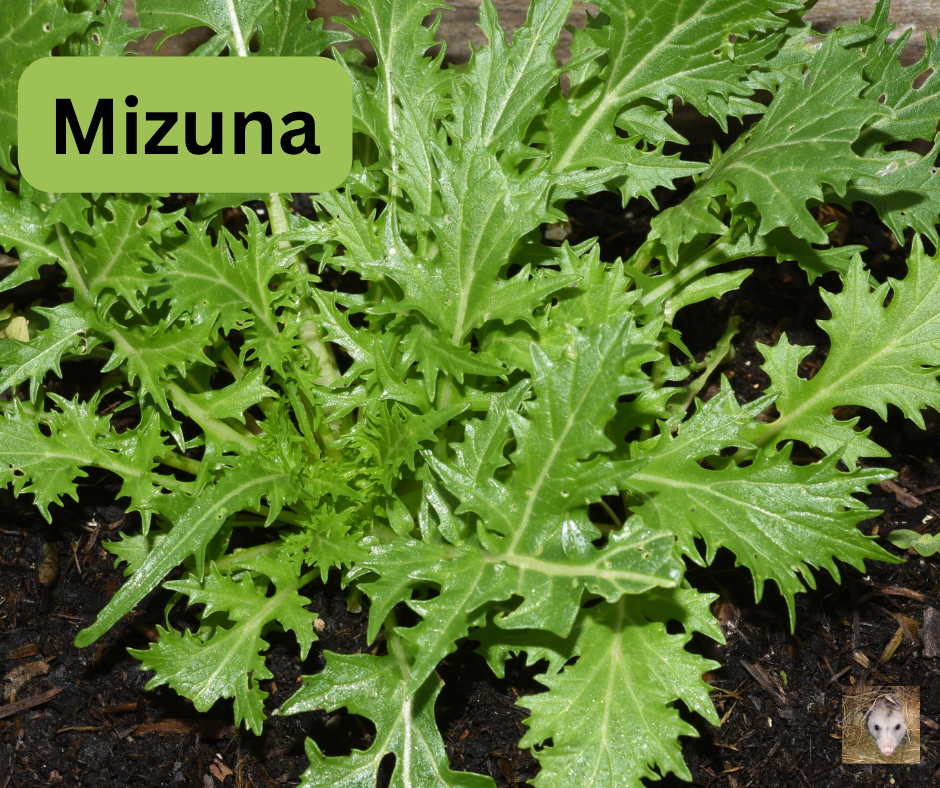
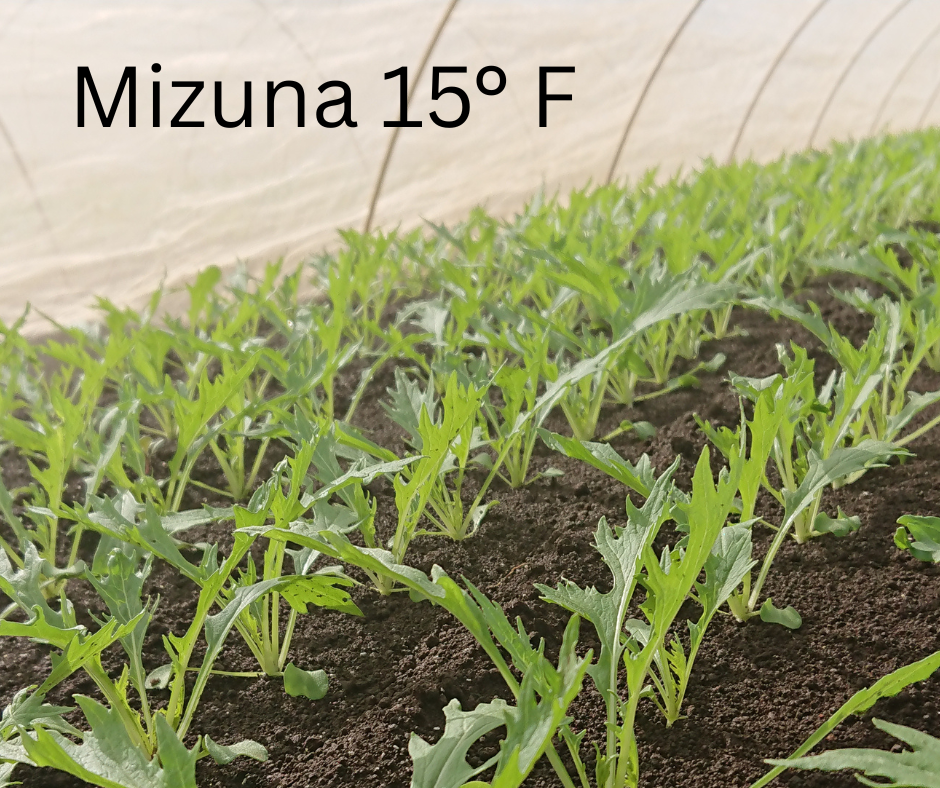
Mizuna growing in hoop house.
Mizuna (Brassica rapa subsp. nipposinica)
Mizuna or Japanese mustard greens are in the brassica family and native to Asia. It's claim to fame was being successfully grown in the International Space Station in 2019.
Mizuna seeds are best sown directly into the garden when temperatures are 55° to 65°F. Mizuna is both tolerant of light frosts and very slow to bolt. It's ideal for fall planting. It grows best in full sun.
Mizuna also has a pretty red cultivar which is good for salad and also is very tasty as a microgreen.
It grows fast and can be harvested in 18 days for baby leaf and in 40 days for full size. Not quite as hardy as lambs lettuce but Can be sown into late fall if overwintering in a high tunnel or other protected structure. It can tolerate down to 15 degrees if protected.
I have had flea beetle damage on Mizuna crops. Flea Beetles are tiny hard-bodied insects that hop from plant to plant eating leaves. They can do a lot of damage in the garden. Here are some strategies to control them.
Mizuna has a mild peppery flavor, similar to arugula. Use it green in salads. In Japan its popular in stir-fries, soups, and Japanese hot pot.
I love this recipe from My Delicious Blog
Mizuna, New Potatoes and Lemon Vinaigrette
Ingredients
8-10 small potatoes My favorite new potato this year is Dark Red Norland
Large handful fresh Mizuna (about 2-3 cups)
1 Tb. fresh rosemary
Lemon Vinaigrette
½ tsp. lemon zest
2 Tb. fresh lemon juice
⅛ tsp. Dijon mustard
1 tsp. granulated sugar
¼ tsp. salt
black pepper
3 Tb. extra virgin olive oil
Instructions
Add potato’s to water with 1 tsp. salt. Bring to a boil, then reduce heat to simmer potatoes gently, uncovered. Cook about 15 minutes and test to make sure they are soft.
Wash and dry the greens and put in a serving bowl.
Make the Lemon Vinaigrette by combining the ingredients and then slowly whisk to combine.
Drain potatoes (do not rinse!) and allow to cool a few minutes. Cut each in half and transfer to a mixing bowl. Spoon a few teaspoons of Lemon Vinaigrette over the potatoes, along with rosemary and mix gently.
Add a few tablespoons of lemon vinaigrette to the mixed greens and mix. Spoon potatoes over the greens and gently toss.
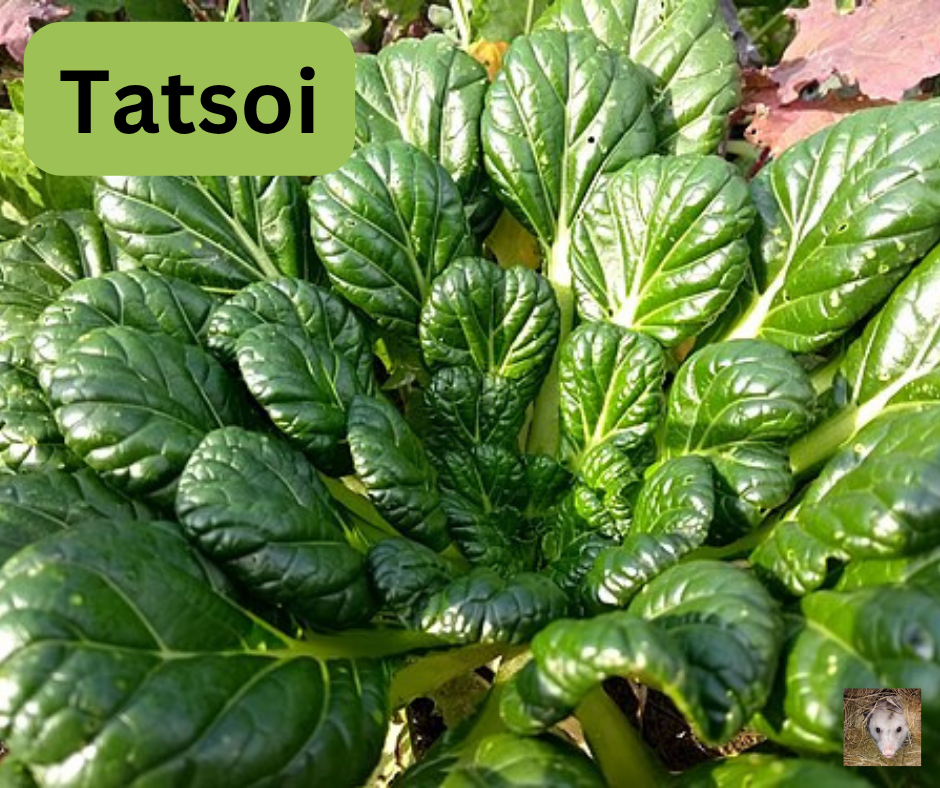
Tatsoi (Brassica rapa subsp. narinosa)
Tatsoi is another Asian green in the Brassica family. Also called tat choy, it is closely related to the more familiar bok choy. The big heads can measure a foot in diameter.
For a fall crop direct-sow Tatsoi seeds in late July for zone 5 and mid-to-late August in zone 6. Plant them in full sun with rich, well-draining soil. Sow seeds 2 to 3 inches apart and cover 1⁄4 inch deep. Keep evenly moist to ensure good germination. When established, thin seedlings 6 to 8 inches apart, so they have room to mature into large rosettes.
Tatsoi thrives in rich soil and cool growing conditions. They get hungry so foliar feed several times with fish emulsion. The Alaska brand is my favorite and I'll have a link below.
The leaves are similar to romaine, while the stalks taste a little like cucumber. Tatsoi is used for pesto, salads, stir fry, and garnishing soup. Lightly steam or sauté it, wilt the leaves with a warm dressing, or add them to a soup at the end of cooking. They also can be pickled.
5 cold hardy greens for your winter salads. Easy to grow with protection.
Tips For Winter Gardening
Hungry Wildlife: Snow makes it hard for wildlife to find food. Animals like rabbits and most birds do not store food. If they can get to your veggies they will. Make sure you are protecting your crops by making sure that all gaps are tightly closed and the fabric/plastic is firmly anchored down.
Also it doesnt hurt to make nice by offering supplemental food. Read my article Choosing The Best Bird Feeder
Sudden changes in temperature: Don’t rush to brush away the snow from plants as soon as the sun starts shining. Frozen plants need to thaw out slowly. Sudden changes in temperatures can damage the plant.
Crushing: That said, snow is heavy. Too much snow, piling up on fabric or plastic covers can collapse and crush plants. If you have a heavy snow coming make sure your pvc or metal hoops are secure.
Author, Ame Vanorio, is a Master Gardener and has been farming and gardening organically for over 35 years.
Affiliate links may earn us a small commission and help us to support wildlife rehabilitators and community education programs.


Radishes are one of the most rewarding vegetables to grow because they grow fast and are the easiest crop ever. They do great in raised beds, containers, or in the ground. Radishes come in lots of fun varieties and all add something special to meals.