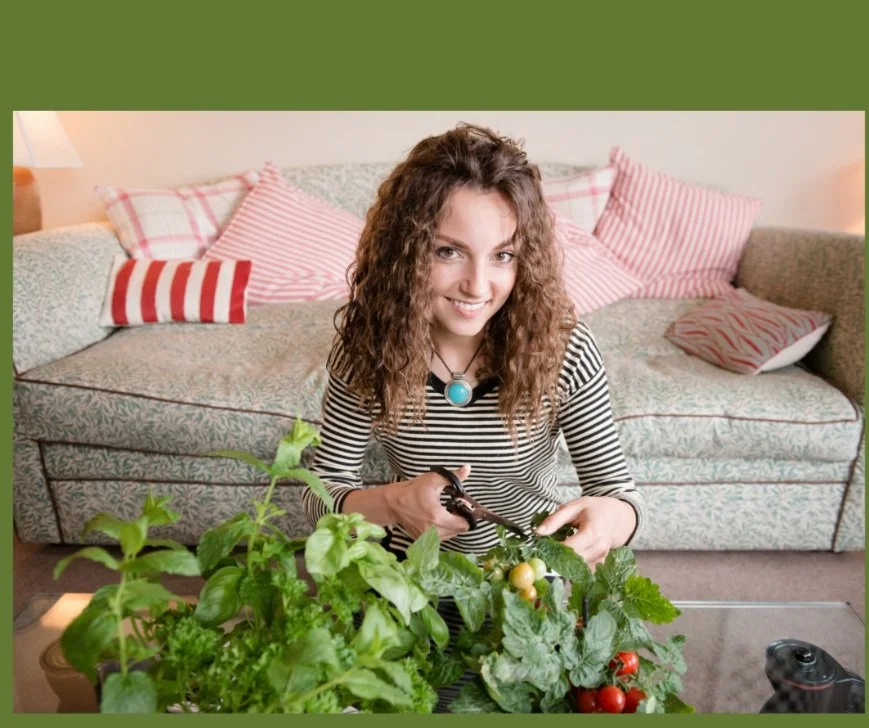
Living in an apartment has taught me many new ways to grow vegetables and fruits indoors. I have discovered that gardening is not limited to a plot of soil.
For many people living in an urban apartment or condominium means they can’t garden in the traditional sense. When I left rural Kentucky for urban Wisconsin, I was very anxious that it meant the end of my ability to have food security. I went from a 3 acre garden to an apartment patio! Now I live with my son in a granny pad and have an urban backyard. I have learned a lot and become a much more organized gardener.
Growing food indoors is completely doable and allows apartment renters to experience food security at a lower cost. In this complete guide, we will look at getting started, a variety of methods you can use, and how you can work within a budget! Gardening indoors can provide satisfaction, enhance our living environment, not to mention fresh nutritious food.
This article contains Amazon Affiliate Links to products we use and recommend.
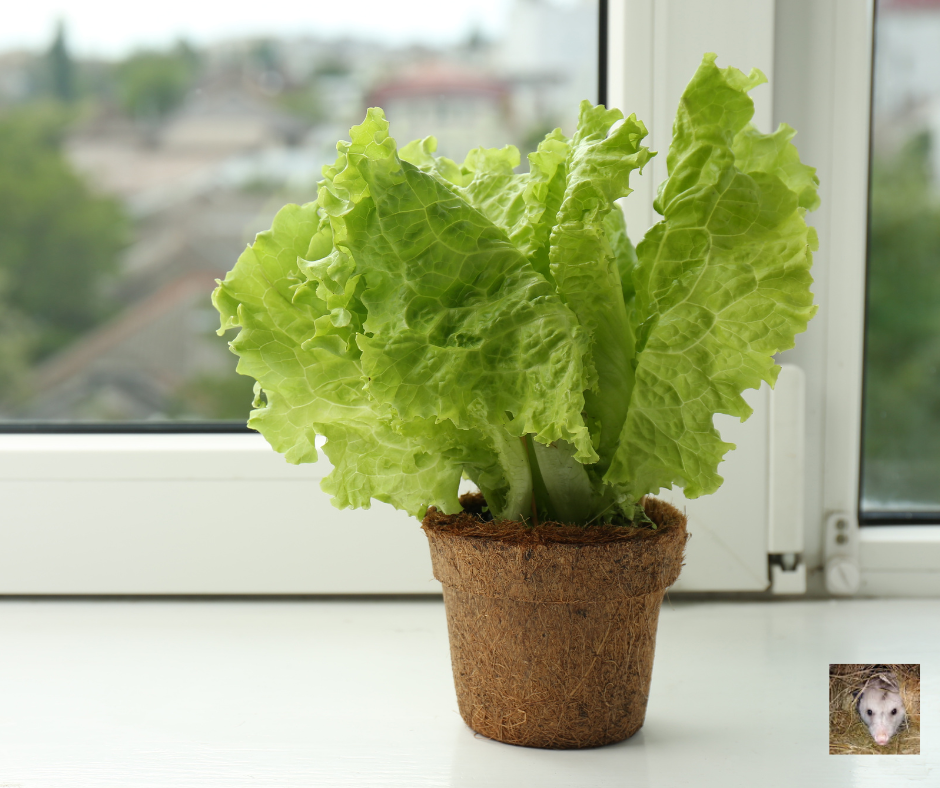
Leaf lettuce has shallow roots and can tolerate lower light so does well being grown inside.
Advantages of Growing Food in an Apartment
Year-Round
Fresh, safe, organic produce
Free of damaging weather patterns
Small space compatible
Fewer pests and easier to control
Puts you in touch with nature and emotionally healing
Works well if you have joint, back, or health problems.
Expand your options on where you can successfully grow produce

I ordered this grow light system the first month I was in my new apartment and have been very happy with it. Fits nicely on my kitchen counter and Ive used it to grow greens. Photo by Ame Vanorio.
Disadvantages of Growing Indoors
Some varieties grow slower indoors
You will need to stay on top of insect pests
Takes a bit of organization
Initial start-up costs (you WILL need grow lights)
What Do I Need To Get Started Growing Vegetables Inside?
When I moved to an apartment I brought with me two boxes of seeds, some jiffy pots, and a number of small gardening tools including my favorite trowel!
However, I discovered that they were not enough. Growing indoors has its own unique supply list.
List of Supplies
Seeds - Yes, seeds are a “given” but we need to think about variety a bit differently. Vegetables that are more compact will fit in small spaces better. Fruit trees need to be shorter and develop quickly.
Potting Soil - When we think of starting seeds we often think of a nice light soil mix. Well, hold that thought! I like to mix a light weight seed starting mix with coconut coir. It works well for seeds and your vegetable plants.
Containers - since you will not be placing your seedlings in the soil outside you will need a variety of pots or grow bags to hold your plants. These should be a variety of sizes from 4-inch pots to 20-inch pots for small trees.
Read our article on gardening with grow bags.
Containers can get expensive! Watch for clearance sales at the end of the season, check yard sales, or make your own.
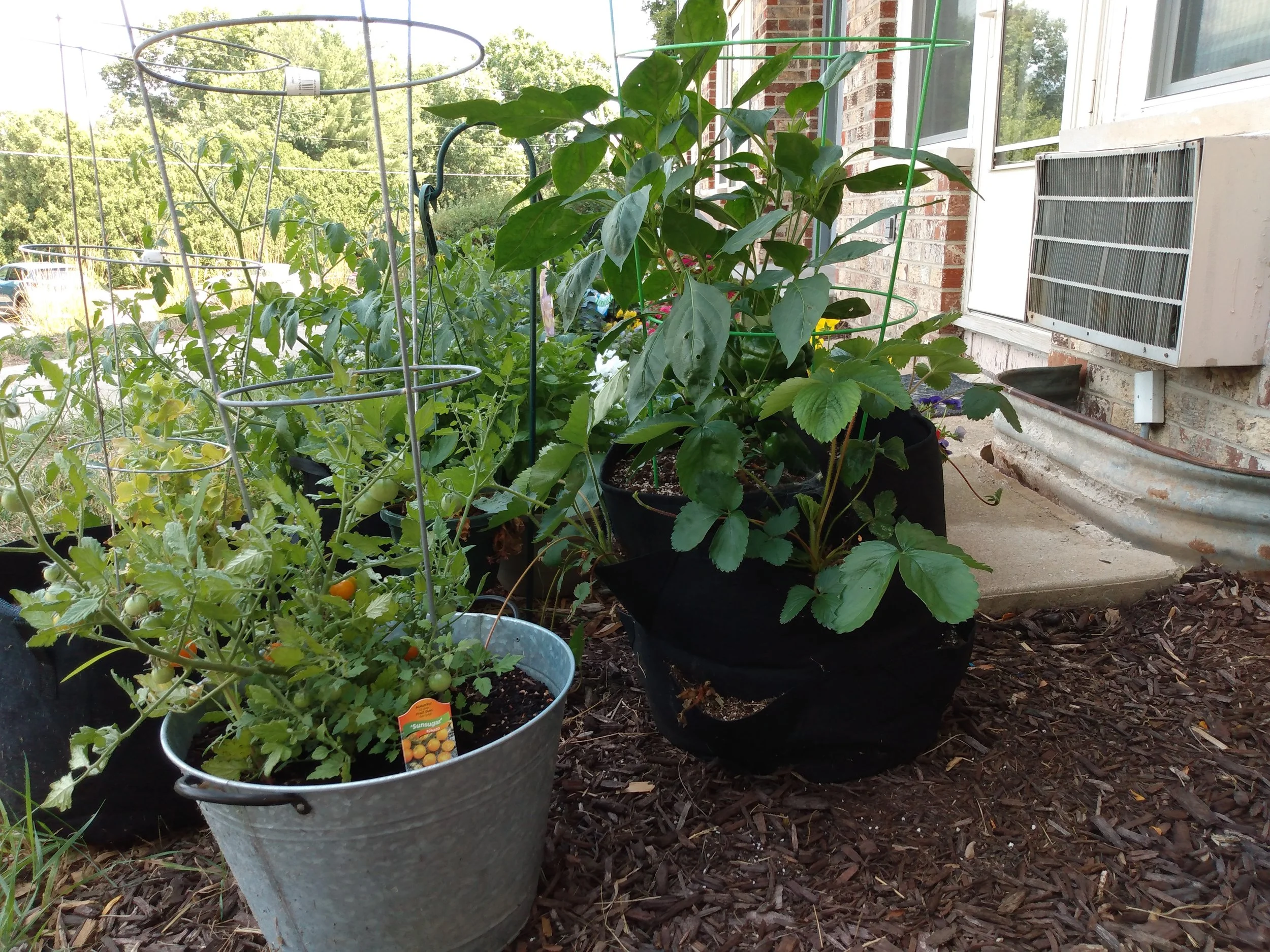
I’m a big fan of grow bags and they work great in small spaces.
Budgeting For Your Indoor Garden
Budgeting can be hard. If you’re like me you go on Amazon and make lists of all the cool containers and grow lights!
My advice is to start small and allow your garden space to grow with you!
Budget For Newbies:
So rock bottom price of under $40 can get you started growing lettuce and spinach for nice fresh salads. You will need to provide a small table or shelf next to a sunny south or southwest window.
Organic Indoor plant food
Organic seed starter mix (small bag)
Seeds
You can add on an inexpensive sprouting kit like the one I use in my article
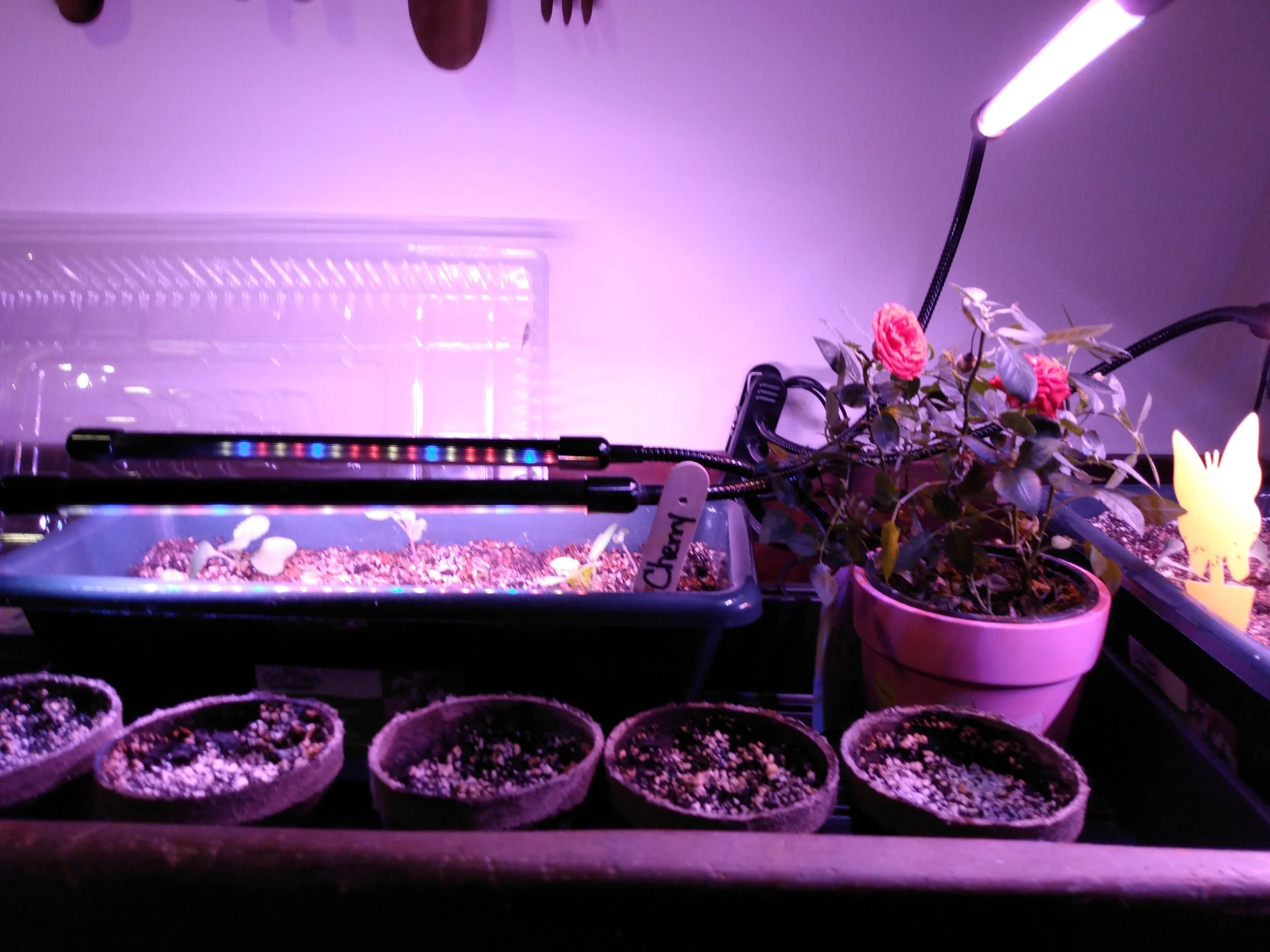
Radishes grow well under lights. Fresh radishes add a zing to dishes.
Growing Your Garden
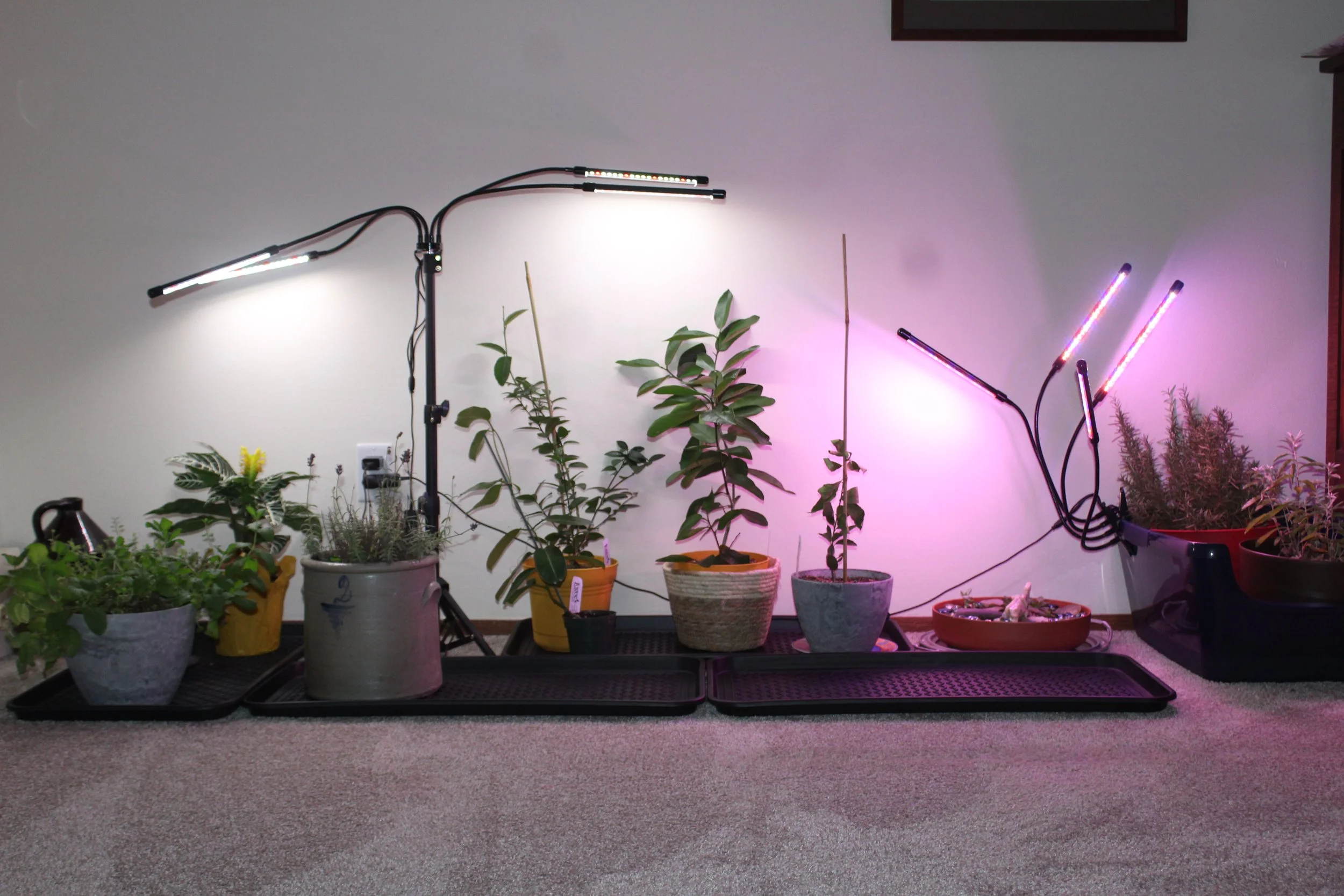
The lights in the picture below are inexpensive and flexible. I did also purchase some “boot” trays to place my pots on and protect the carpets.
More soil and 8” - 10” pots for larger plants
$33 Grow Lights For Indoor Plants
Keep in mind that inexpensive grow lights work well for leafy greens, topicals and some houseplants. If you are growing plants that flower and fruit you will need to invest a bit more.
Starting Seeds and Growing Smaller Crops
$50 These lights are good for starting seeds and growing low plants such as lettuce. The unit is sturdy and as you can see by the earlier photo it fits nicely on my kitchen counter. I also use it for when I have a cactus or a flowering houseplant that needs some extra light.
Read my article 5 Tips For Beginner Apartment Gardeners to learn more about basic care.
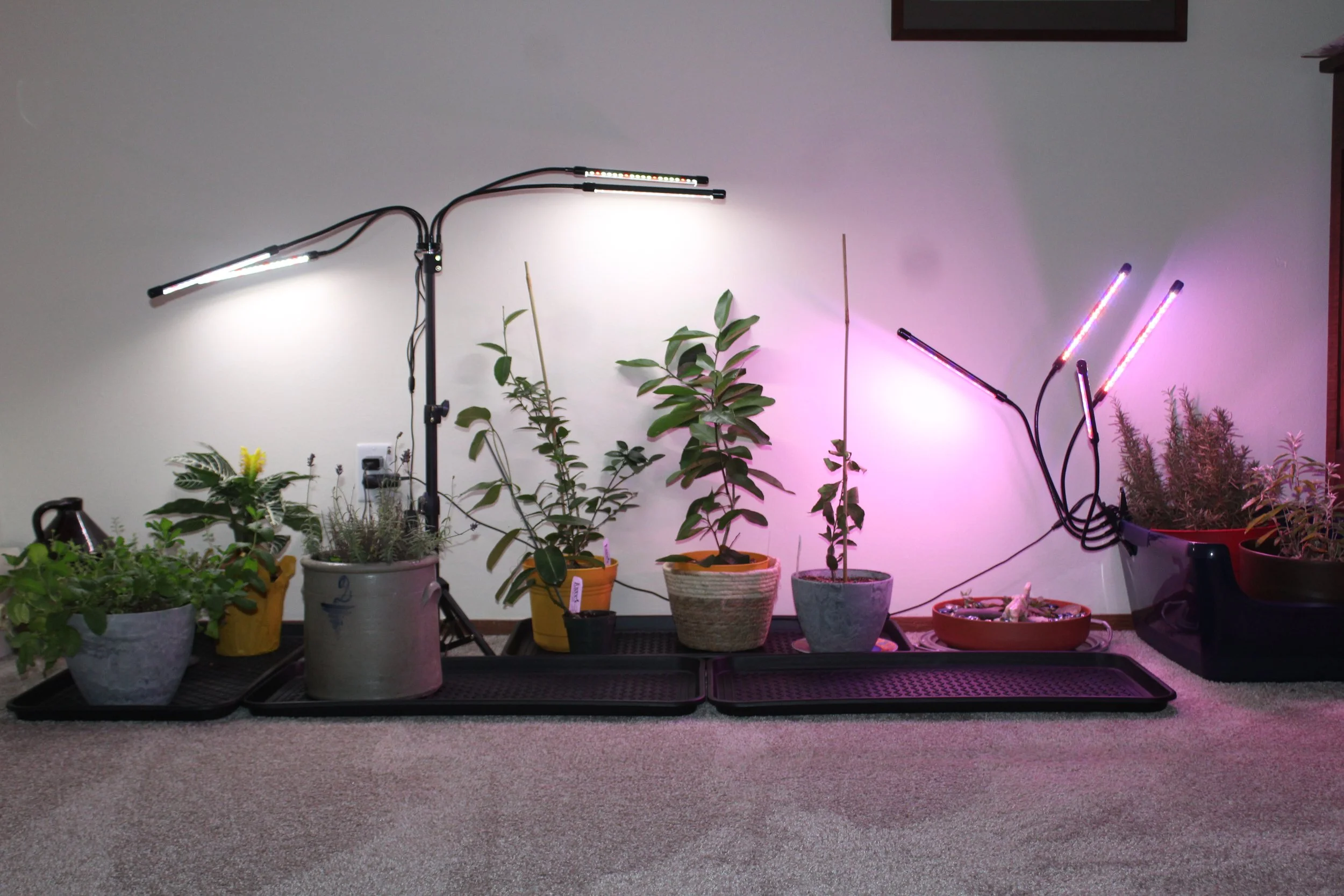
My original light setup - has grown considerably but these lights have worked out really well. As a renter, I wanted to make sure I protected the carpet so I purchased trays for underneath. There is also an east facing window on the left which let in some natural light. Photo by Ame Vanorio.
Growing in Soil
Growing in soil is the traditional method of growing plants and the way it is done outside in the garden. However, when growing your food indoors you have many options.
You want to keep your soil light. This serves two purposes.
First, you will be lugging around bags and plants. In addition, you want to keep in mind the overall weight of the plants especially if you are on the upper floor of an apartment building.
Secondly, you want a nice light mix for your plant to stretch its roots and grow. Mixing perlite and vermiculite in with your potting soil will allow lots of airflow and water drainage which will help protect your plant from diseases.

Growing in Water
One of the other ways to grow plants is in a hydroponic system. Hydroponics uses water as a growing medium.
When growing in water (and even just watering soil-based plants) it is important to use filtered water. City water contains chlorine which is added to kill bacteria. In addition, urban water often contains heavy minerals which are not good for your plants.
Hydroponics does have a learning curve and can take some practice to get it right. There are many kits that are beginner-friendly and help you get off to a fabulous start.
My friend Tony loves his Aerogarden and grows fabulous lettuce all year long.

Grow salads all year long using a hydroponic kit! Photo by Tony Hoess
Light
Light is crucial to plants. Plants use light to create energy (food) which enables them to grow and produce flowers and seeds. Plants that are growing outside have the full spectrum of light from the sun to meet their needs. Even if you have window light (and that’s good) your indoor plants will need supplemental lights, especially in winter.
Check Out Your Windows and Natural Light
The first thing to do is ascertain what natural light enters your home. What directions do your windows face and what hours of the day does sunlight enter them?
As the earth rotates this amount of direct light will change with the seasons. You may receive less light in fall and winter while the days are shorter.
My apartment faced east and while I have nice big windows in each room they only get direct sunlight for about three hours in the morning. So I had plants in front of the windows but also used grow lights.
I now live in a ‘granny pad’ in the lower level of my sons home has north facing windows so not much quality light. My leafy houseplants do well (spider plants, ferns) do well in front of windows. During the winter I grew lettuce, onions, radish and spinach under lights. I had the grow lights on 14 hours a day.
Full Sun/Part Sun
You will often see the amount of sunlight a plant needs on the tag or plant description in a catalog.
Under normal conditions:
Full Sun = 6 hours or more of direct sunshine
Part Sun = 4-6 hours of direct sunlight.
These numbers are for plants growing outside. We need to adjust these numbers when growing vegetables indoors. Plants growing indoors do not receive the bright broad-spectrum natural light. To compensate for that we give them extra time under artificial lights.
How much light do vegetable plants need indoors?
Indoor plants need about 1.5 times the amount of light that an outdoor plant needs. If you have plants near a window that gets direct light you may adjust your artificial light accordingly.
Indoor plants need:
Full Sun = 9+ hours in the summer and 12+ hours in the winter
Part Sun = 6-9 hours in summer and 8-12 in winter.
Air Circulation
Plants that live outside are exposed to wind and moving air currents. Airflow helps to protect plants from diseases and it encourages them to grow strong stems and roots.
Airflow is not only important above the ground it is necessary in the soil. Roots need to be able to breathe and expand.
Having good airflow in your apartment will mimic the outdoor environment and encourage healthy plants.
Airflow can be as simple as opening a window or setting up a low-cost oscillating fan in the room.
Another good source of air circulation is a HEPA filter. I originally purchased this one because my allergies had become more severe.
The good news was the HEPA filter created air movement which my plants reacted to positively. An added bonus was that it also controls odors. Great for those days when I fertilize with fish emulsion.
Fun and Easy To Grow
Sprouts
Sprouts are fun, easy to grow, and very nutritious. The hardest thing about growing sprouts is that they need to be rinsed two or three times a day. So make sure to set an alarm on your phone or have a consistent schedule.
Read my article on Growing Sprouts
Mushrooms
Some mushrooms are easier to grow than others so start with the right ones. Both button and oysters are pretty simple. It’s a misnomer that all mushrooms like the dark. Some mushrooms such as oysters need indirect light to grow. Button mushrooms prefer a darker area. Make sure you know the light requirements for the variety you will be growing.
Sometimes finding the perfect spot to grow mushrooms is the hardest decision. I started with mine sitting on the top of the refrigerator. However, that spot didn’t offer them enough humidity. So I moved them to a shelf near the kitchen sink. This spot was a tad cooler and offered a bit more humidity.
Check out my video below on growing oyster mushrooms inside.
Mushrooms are a delicious and nutritious food that's easy to grow indoors. Join me on my first venture growing mushrooms indoors. Check out the articles below on growing and foraging for many types of mushrooms.
Other Ways to Garden When You Live in an Apartment
Indoor gardening may be one facet of your food growing or it may be the main way you grow food.
I grow greens year-round on my kitchen counter and a variety of herbs and tropical fruits as houseplants. However, I utilize some other growing methods as well.
Patio
In my apartment I had a small cement patio outside my front door. I was also allowed to use the ground space immediately surrounding the patio. My patio faced east and got morning sun. So it’s not the ideal setting.
However, I was able to grow a variety of produce including tomatoes as well as flowers, herbs, and a few peppers on the patio. I was able to provide most of my vegetable needs in summer. Now I do understand I am one person and if you are a 2, 3 or 4 person family you will need more plants.
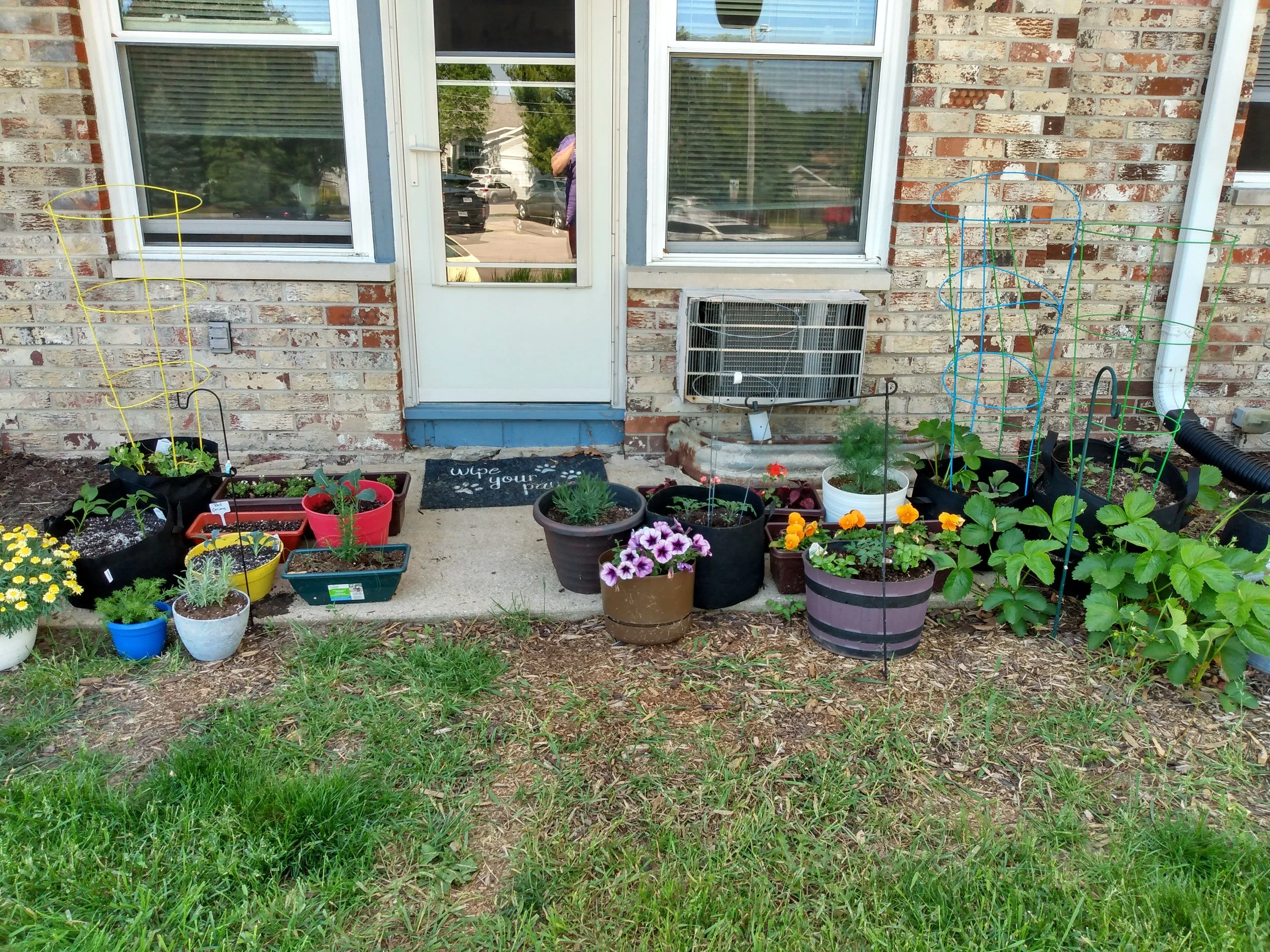
5/17/2024 Just getting things going. The strawberries in the front right were quite happy and I got strawberries for my breakfast for a month. I will say that containers do need more water. Photo by Ame Vanorio
Community Garden
Community gardens are popping up all over the US and are quite popular here in the Madison area. I have a 10X20 plot that is about a five minute walk from my apartment.
My community garden gives me the option to grow some larger sprawling plants such as squashes, beans, and cucumbers.
Small Urban Yard
My current situation is a small urban yard where I can grow a surprisingly amount of food. Last summer I met much of the vegetable needs for 3 people and put tomatoes and squash in the freezer.
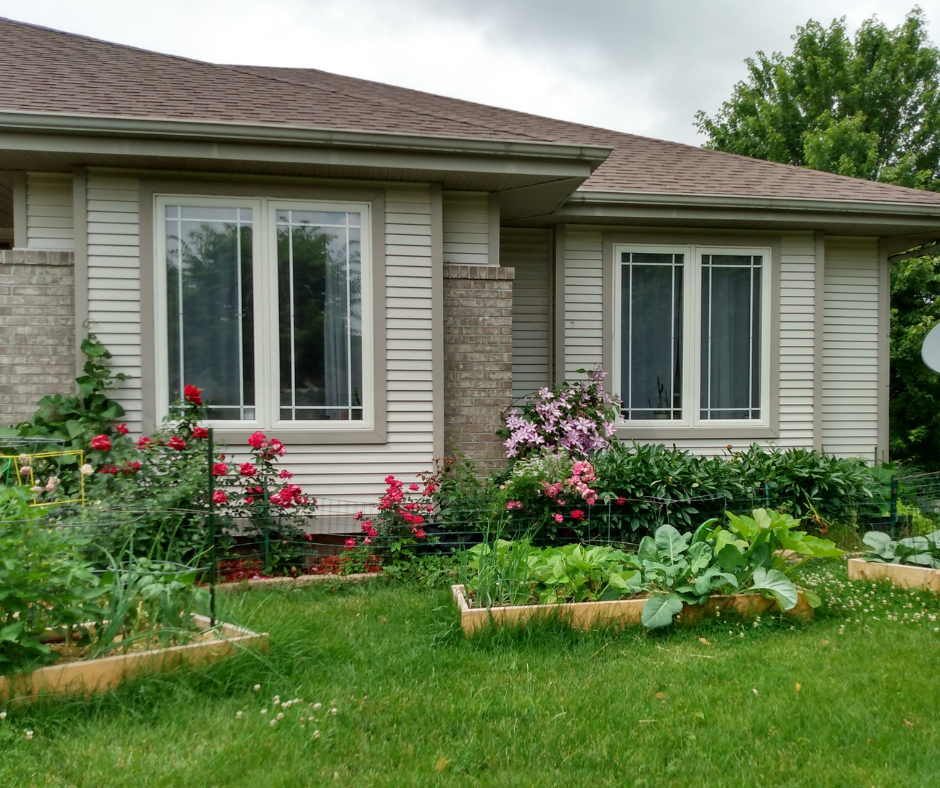
The grass must go!! A work in progress
Author, Ame Vanorio, is the founder of Fox Run Environmental Education Center and has many years of organic agriculture experience. She recently “retired”, sold her farm in Kentucky, and moved to urban Wisconsin to be closer to her son. But that hasn’t stopped her from being an avid gardener!


Living in an apartment has taught me many new ways to grow vegetables and fruits indoors. I have discovered that gardening is not limited to a plot of soil.
For many people living in an urban apartment or condominium means they can’t garden in the traditional sense. When I left rural Kentucky for urban Wisconsin, I was very anxious that it meant the end of my ability to have food security. Not to mention that I just loved getting my hands dirty and playing in the dirt.