
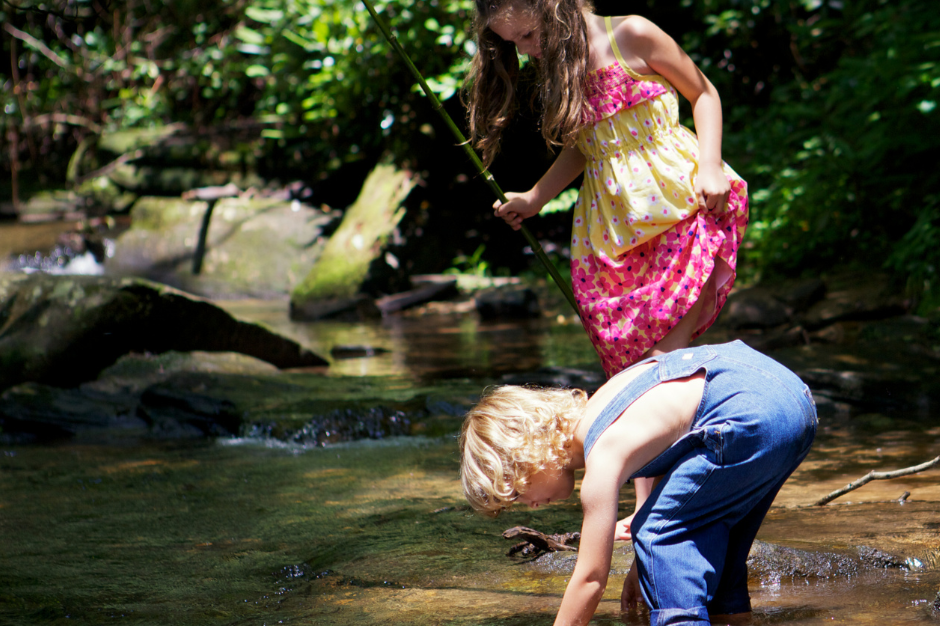
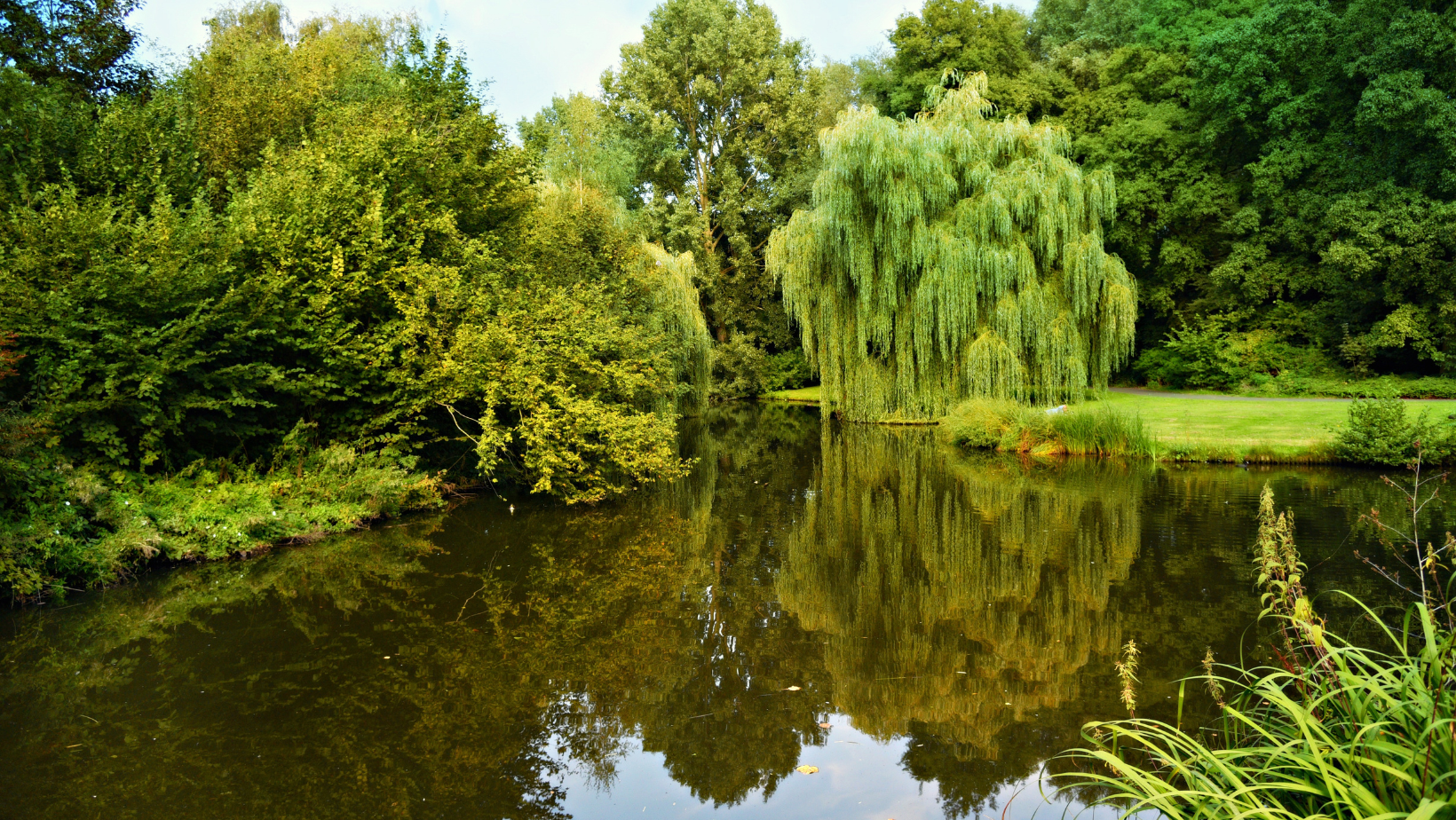
A pond is a small area of fresh water. It teems with living things and makes a fantastic habitat to explore. And of course, part of the fun is getting wet and dirty.
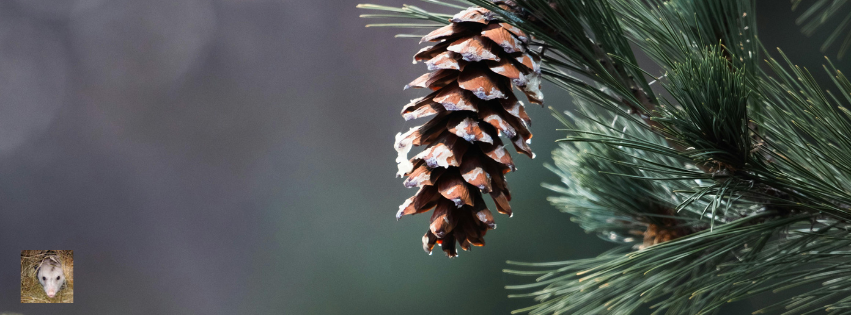
Pinecones come from pine trees but all conifer trees make cones. Cedar and spruce trees also make cool cones.
There are 49 species of native pine trees in North America.
Pinecones may have different shapes and sizes depending on tree species
Pinecones protect pine tree seeds from extreme weather.
It may take more than 10 years for a pinecone to naturally fall out of a tree.
The best time to look for pinecones is autumn.
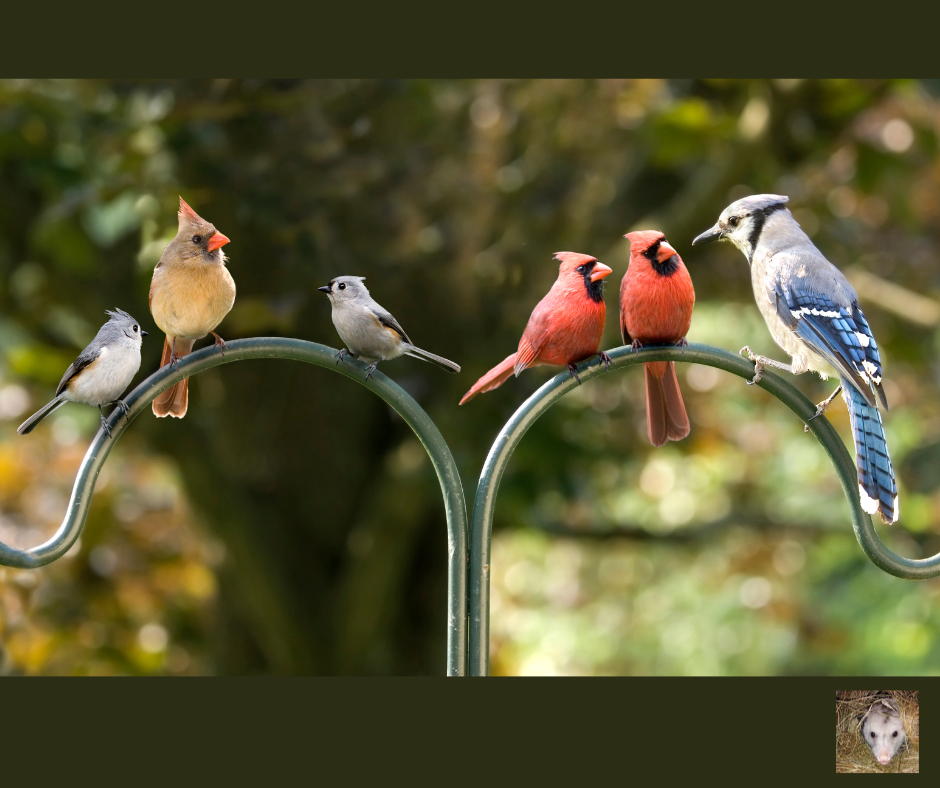
Birding is one of the easiest ways for families to spend time outside and learn about wildlife. You do not need expensive gear or special training. Birds live in cities, suburbs, and rural areas, so most families can start right in their own backyard or neighborhood.
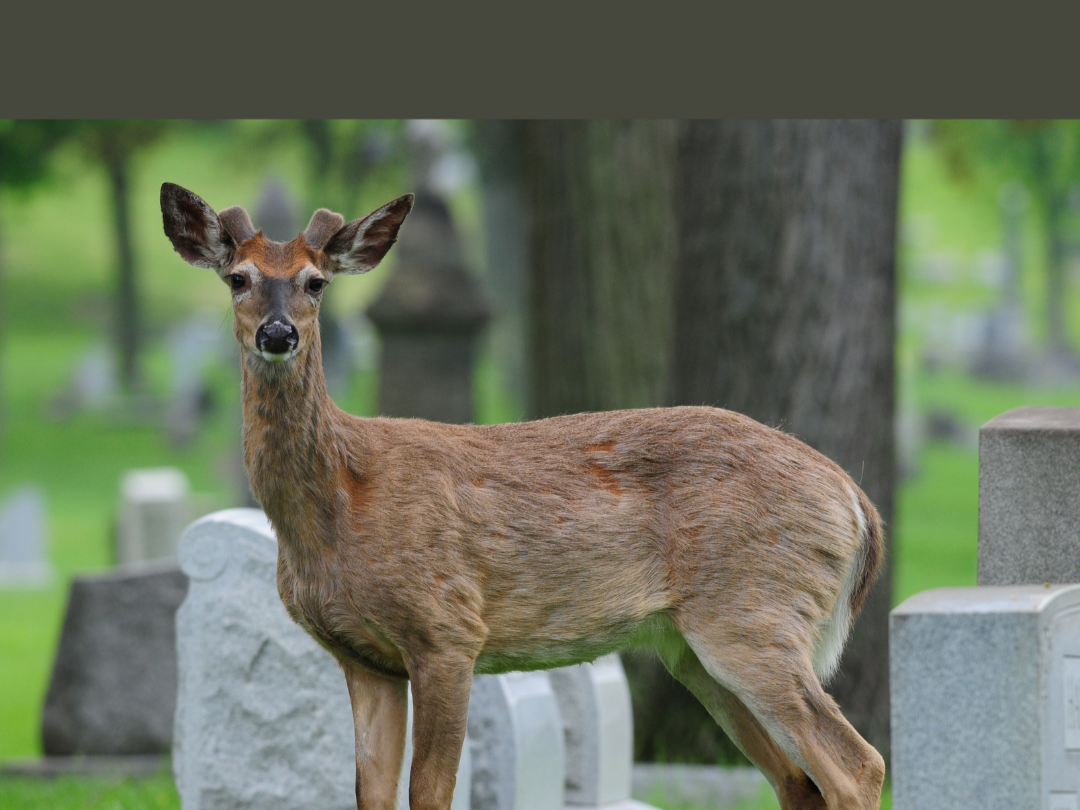
Cemeteries are fabulous places to explore nature and learn about an ecosystem. Because they are protected from development and relatively undisturbed they have a wide variety of plants and animals.
There’s nothing quite like the magic of a forest to spark a young child’s imagination. The dappled sunlight, chirping birds, earthy smells, and crunchy leaves create a natural classroom that invites exploration.
For preschoolers and early elementary-aged children, a forest sensory walk is a wonderful way to learn about the environment. Full of things to hear, see, smell, taste, and touch. Plan to take a walk in the forest and use your senses to explore.