Updated August 2026
Pine trees are full of fascinating learning opportunities. They stimulate our senses and help us solve problems.
This article combines interesting information about pine trees and has 9 fun ways to explore pine trees and pine cones with your child. Perfect for family fun or homeschooling! Activities are geared towards grades 1 - 5 and I have listed standards at the end of the article.
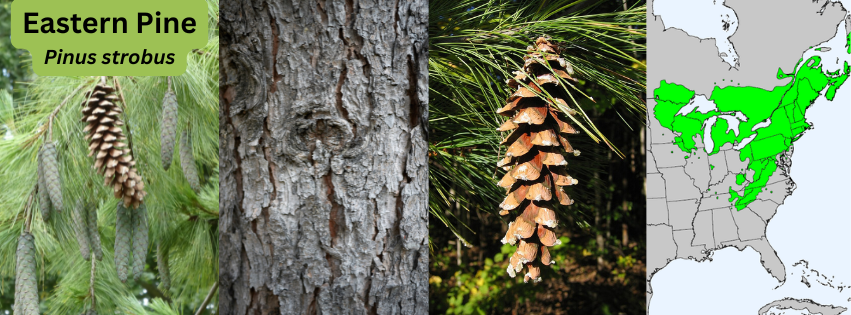
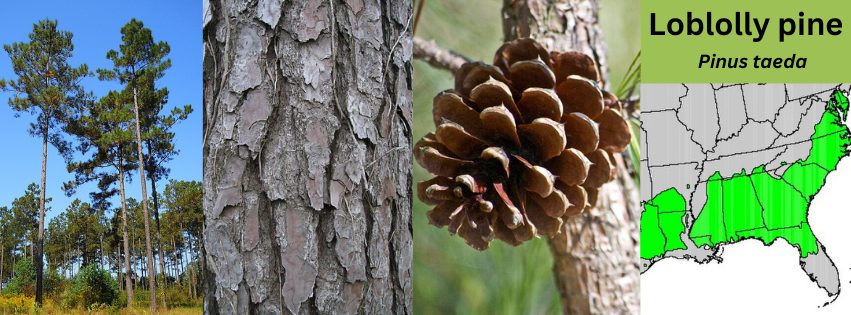
A common pine in the eastern USA it is often use as a landscape specimen throughout the country as well as a Christmas tree.
Pine trees are evergreen trees that keep their leaves (needles) all winter. They belong to the conifers, plants that produce their seeds in a cone and are over 200 million years. The trees produce pinecones as a way to reproduce.
Fun Facts About Pinecones:
Pinecones come from pine trees but all conifer trees make cones. Cedar and spruce trees also make cool cones.
There are 50 native species of pine trees in North America.
Pinecones may have different shapes and sizes depending on tree species
Pinecones protect pine tree seeds from extreme weather.
It may take more than 10 years for a pinecone to naturally fall out of a tree.
The best time to look for pinecones is autumn.
According to Merriam Webster dictionary both pine cone (two words) and pinecone (one word) are correct.
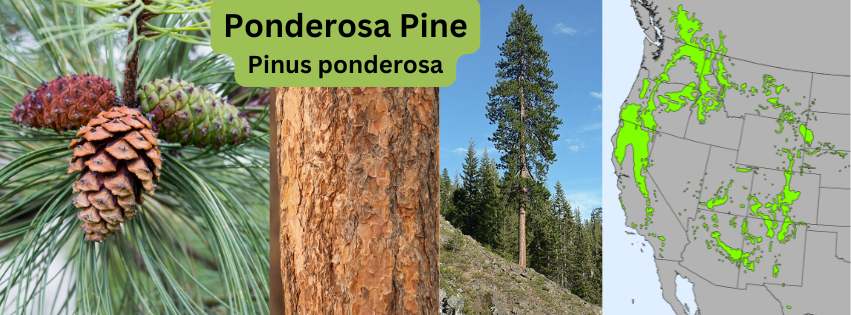
The bark has a unique vanilla scent and jigsaw-puzzle-like orange plates. It has evolved to have a natural resistance to wildfires.
Where Can You Find Pinecones?
Obviously on the ground beneath mature pine trees! Most pine trees begin producing cones between 5 and 15 years of age so look for bigger trees. You may have a pine in your backyard, or look in local parks, residential neighborhoods along the sidewalk, or walking trails. You can also purchase them online.
Just take a few to study or make a craft. Remember pinecones are important food for wildlife.
You can often find mature trees in cemeteries. Check out my article: Exploring A Cemetery : History and Nature Study PreK - 5
Why Do Pine Trees Have Cones?
Cones are how pine trees reproduce. The tree has male and female cones. Pine trees are called gymnosperms. Gymnosperms are plants that make seeds that are not covered by fruit. For example, like an apple. They do not grow flowers. Most of them are woody trees or shrubs with needle-like leaves. Like the pine tree!
Male cones are smaller and softer. They grow on the lower branches in spring and make a lot of yellow dust called pollen. The wind carries the pollen to sticky female cones. The male cones fall off after they empty of pollen.
Female cones start out green and become hard and woody. They grow higher up on the tree and hold the eggs, or ovules. These are the typical pine cones you see on the ground. Once fertilized, the female cones close up and spend up to two years protecting the growing seeds before opening to release them. That’s one reason you will see various sizes of cones on the same tree.
Pine cones are imbricate. That means they have scales overlapping each other like fish scales. When the seeds are ready, the cone dries out and opens its hard scales. The seeds fall to the ground. If conditions are right they will sprout and start to grow.
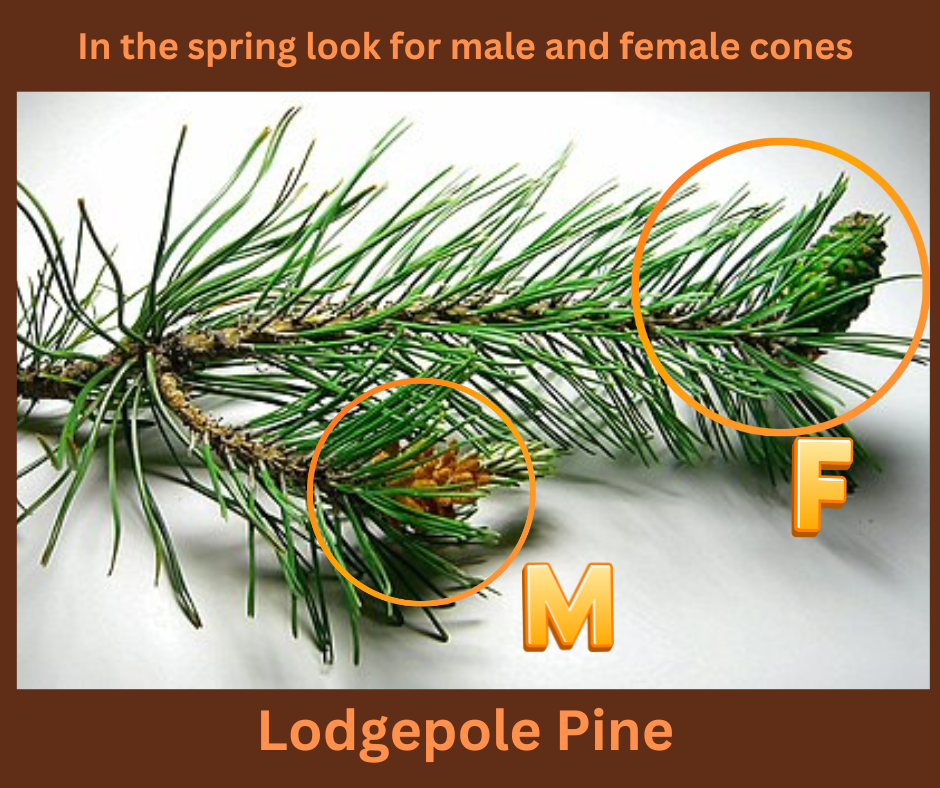
Pine trees produce male and female cones.
#1. When Do PineCones Open?
So we know that pinecones protect tree’s seeds. The cones respond to weather. Both temperature and moisture level.

In this image you can see the seeds that have been hiding in the pine cone.
When they are closed, it’s because they are protecting the seeds from cold temperatures, rain, or intense winds. When they are open, it’s because it’s warm enough and they may release the seeds to germinate in the soil.
Experiment: Why Do Pinecones Open And close?
Materials:
4 Mason jars
2 pine cones
Procedure:
Fill one jar with cold water and one with hot water. Leave two jars empty.
Submerge a dry pine cone in each jar of water and watch what happens. This will take 15 - 20 minutes so be patient.
After watching the reaction of the cones in the water remove the pinecones from the water and place them in the empty jars. Observe what happens.
#2 : LOOK OUT FOR DIFFERENT SPECIES OF PINE TREES AND PINECONES!
There are approximately 50 pine tree species in North America. So you are likely to have several species in your areas. Different species of pine trees have different shapes, colors, and heights.
You can look out for 2 different pine trees and compare them. Different species may differ in:
Size and shape of the pinecone and the tree
Different shapes or textures of tree’s bark
Do a bark rubbing of the different pine trees to compare
Compare the number of needles and how the come together.
Bark Rubbing: Find some interesting pine bark and then place a sheet of paper over the surface. Using the side of a a crayon or piece of chalk carefully rub over the surface of the paper to pick up the textures and patterns of the bark, leaves or pine cones underneath.
What Are Pine Needles?
You may have noticed that pine trees’ leaves are different from an oak trees and even other conifers like spruces. Instead, they are long and sometimes sharp. This is why they are called needles.
The small surface area and waxy covering on the leaves helps them to stop or reduce how much water they lose via evaporation. Needles are tougher and more resistant to weather (like heavy snow) surface damage and harmful molds.
To identify different species of pine trees you may want to look at the shape, size, color, and number of needles in each cluster.
Needles are attached to the branches in groups of clusters. You may find groups of two, three, five, or even just one cluster. Also, they may be longer or shorter depending on the tree.
Five-needle pines: Soft pines with flexible needles, such as the Eastern White Pine.
Two or three-needle pines: Hard pines with stiff needles, such as the Loblolly Pine and Ponderosa Pine
Now you can find two different branches and check out if they come from different species or not!
DO PINECONES HAVE DIFFERENT SHAPES OR COLORS?
Once you found different trees, you may want to look for pinecones under the pine trees.
Got 2 pinecones already? You can compare them to see if they come from different trees or not!
Check for differences in:
Color (darker of lighter brown/red)
Length of the pinecone
Size and shape of the scales
Flexibility of the scales (some may be more rigid than others)
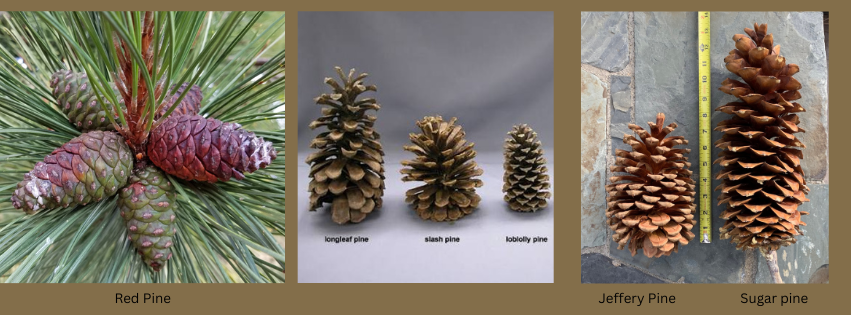
Pine cones come in lots of shapes and sizes
#3: How Old Is Your Pine Tree?
Did you know that you can get a rough estimate of a tree’s age just by measuring its girth?
To calculate a tree’s age, you just need to measure the circumference (or girth) of the tree at 4.5 feet above the ground. Now, just using a measuring tape write down on paper the length of the girth.
To calculate the tree’s age, we need to know also the growth rate. This can be different for every tree species. The rate is estimated to be 1.23 inches per year. This means the tree’s girth grows 1.23 inches every year.
Now, use the next formula to calculate the tree’s age:
Age (tree) = girth (in) / 3.13 (in/year)
Then, the result will be the tree’s age.
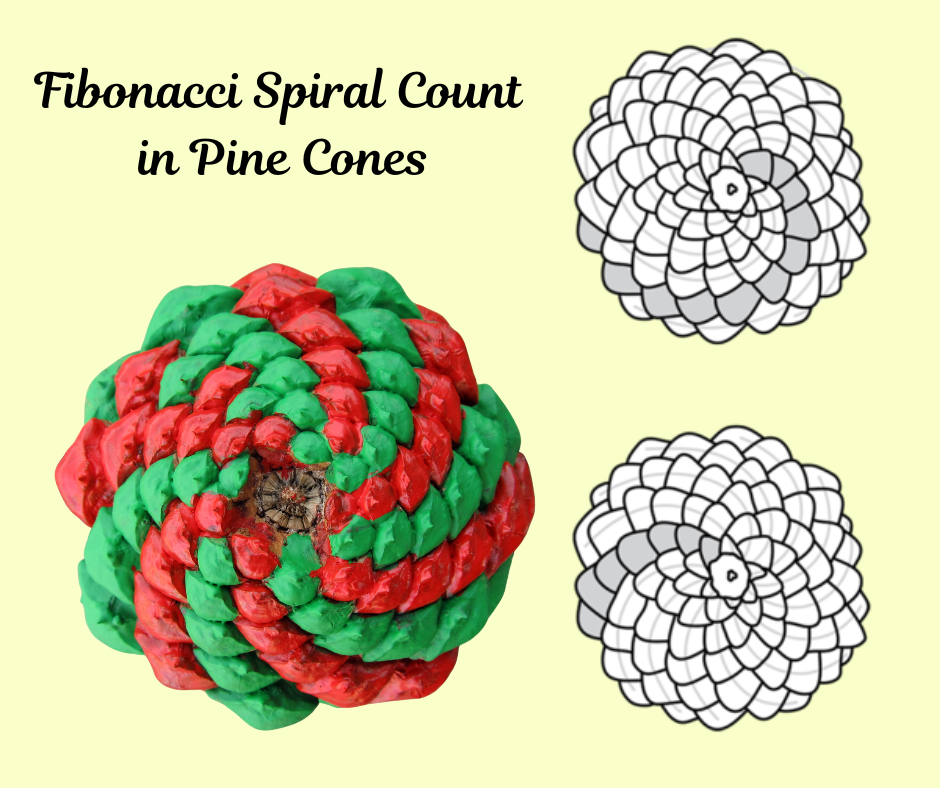
#4 Fibonacci Spiral Count:
Pine cone scales form two opposing sets of intersecting spirals that wrap clockwise and counterclockwise. When you count the rows in each direction, the numbers are almost always adjacent entries in the Fibonacci sequence (such as 3 and 5, 5 and 8, or 8 and 13), optimizing space efficiency
Use a magnifying glass to count the spiral rows of scales going clockwise and counter-clockwise to discover number patterns in nature
Common Pine Cone Configurations
Small cones: 3 spirals in one direction, 5 in the other.
Medium cones: 5 spirals in one direction, 8 in the other.
Large cones: 8 spirals in one direction, 13 in the other
There is a great Fibonacci worksheet from Fractal Foundation
#5: How To Grow A Pine Tree at Home
Seeds fall naturally from the pinecone when they are ready to grow new trees.
So when you find a pinecone, you can check if seeds are ready or not. Just shake the pinecone gently and put your hand (or ask someone to help you) to see if you catch any seeds that may fall.
If the seeds fall in your hand without any extra help, that means they are ready! Now you can bring them home and germinate your very own tree!
Growing a pine tree of your own takes a lot of patience. Pine trees grow quickly, and usually grow 2 feet per year. When you grow a pine tree you are providing wildlife with a future source of food and shelter
Steps to growing your pine tree
Collect seeds in autumn when they are ready to fall out of the cones
Test your seeds for viability. Place them in water and keep the ones that sink (discard the ones that float).
Place the seeds in seed starting soil in a three-inch container or the eco-friendly cow pot. Use a plant tray under
Place them on a metal or plastic plant tray that will contain water. Keep the soil moist but not wet.
If they sprout (start to grow) place them in a south facing window or under plant lights.
Be patient!! Your seeds will take all winter to germinate.
When it’s about three to four inches transplant it into a bigger pot with potting soil.
When your young tree reaches eight to twelve feet tall you can plant it outside.
Meet two baby squirrels in wildlife rehabilitation, hear a story, and make a treat for the squirrels in your neighborhood.
#6: What Animals Eat Pinecones?
Do you eat pinecones? You probably never thought of eating a pinecone but turns out some animals do.
Red and grey squirrels: they bite the cones and leave piles of stripped scales with clean-cut edges under the pine trees
Woodpeckers: they also may leave eaten cones but with ragged edges since they pull out the cone to eat it.
Bears will pull apart the cones to eat the pine nuts. Porcupines will often eat the bark of the tree.
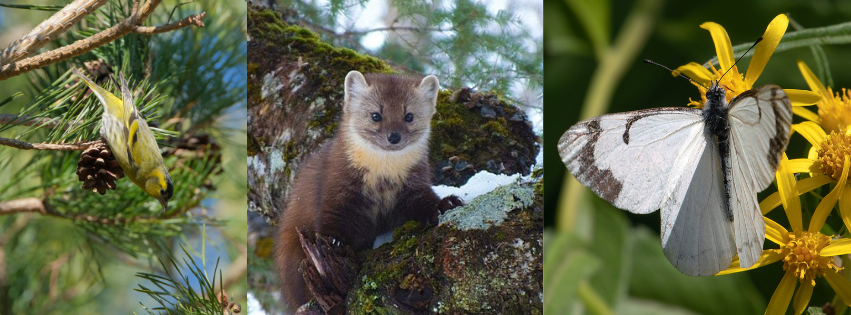
Pine Tree Habitat
The dense foliage of pine leaves provides protection for many species from predators. It provides shelter from the elements, helping to keep animals cool in summer and warm in the winter. In the spring birds often raise their young in the safety of the branches .
The pine warbler (Setophaga pinus) is a small songbird that lives in pine forests in the eastern United states. Woodpeckers and Nuthatches also like pine trees.
The American pine marten is a mammal in the weasel family that lives in the western USA and Canada. They live in areas that get snow and the pine tree provides shelter.
The pine tree is a host for the pine white butterfly

Pine trees also provide habitat for many animals. You may see adult cicadas perching on pine needles. Here is one hanging on a white pine. Photo by Laura Gilchrist.
#7: Use Your Senses
Use your senses to explore different pine trees.
Smell: the bark and the needles often have a pleasant odor
Vision: what/who do you see living on the tree. Pine trees are home to a variety of insect species and birds.
Hearing: Listen. Do you hear the needles making noise on a windy day. Insects like the cicada above make a loud trilling noise.
Touch: take your hands and feel the bark. Touch the needles.
Taste: Did you know you can make tea from pine needles?
Read my article: Foraging For Wild Tea

Check out my book on how to create backyard habitat by planting native plants, providing shelter, and water for local wildlife.
#8: Take a Forest Bath (NO WATER NEEDED)
Have you heard of a forest bath?
If you haven’t don’t worry, it’s not what it sounds like.
Recent studies have demonstrated that spending time in the woods, just walking and connecting to nature, is extremely good for your health. Pine trees release fragrances called terpenes.
Terpenes are responsible for the pine tree’s distinctive scent. But they are also effective as agents for treating different inflammatory and neurological diseases.
All you have to do is take a 10-15-minute walk in the forest, connecting to everything around you. Use your senses!
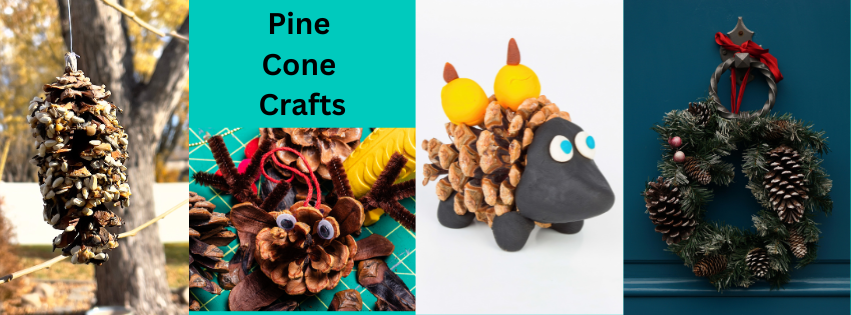
#9 Pine cone creatures
It is also fun and easy to turn pine cones into cute animals by simply giving them eyes, ears antlers ... You could use natural found objects, recycled, paper, card or fabric. It’s fun to experiment with objects that have different textures and shapes.
You can make a bird feeder or a festive wreath for your front door.
SUMMARY OF OUTDOOR ACTIVITIES
In this digital era that we live in, it’s very important that we remember to keep in touch with nature. This not only helps kids (and adults!) to interact and learn from nature but will also improve our mental and physical health.
For more tree activities read our article: Trees - Five Great Family Nature Activities.
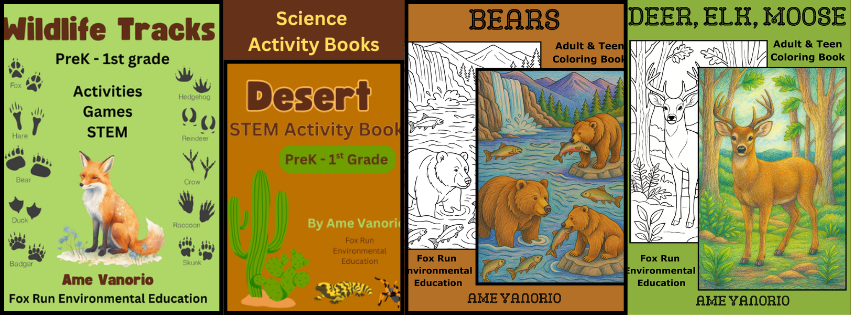
Check out my books available in paperback on Amazon and PDF download on this website.
Next Generation Science Standards (NGSS)
3rd Grade
3-LS1-1: Develop models to describe that organisms have unique and diverse life cycles but all have in common birth, growth, reproduction, and death. (examining a pine tree's life cycle from seed to mature tree.)
3-LS3-1: Analyze and interpret data to provide evidence that plants and animals have traits inherited from parents, and that variation exists among individuals. (Comparing cones or needles from different pine species.)
3-LS3-2: Use evidence to support the explanation that traits can be influenced by the environment. (How growing conditions affect a pine tree's shape, size, or needle density.)
4th Grade
4-LS1-1: Construct an argument that plants and animals have internal and external structures that function to support survival, growth, behavior, and reproduction. (Explain a pine cones reproductive structures, needles and bark and how they help the tree survive)
Author, Ame Vanorio, is the director of Fox Run Environmental Education Center. She teaches online and local classes.

Pinecones come from pine trees but all conifer trees make cones. Cedar and spruce trees also make cool cones.
There are 49 species of native pine trees in North America.
Pinecones may have different shapes and sizes depending on tree species
Pinecones protect pine tree seeds from extreme weather.
It may take more than 10 years for a pinecone to naturally fall out of a tree.
The best time to look for pinecones is autumn.