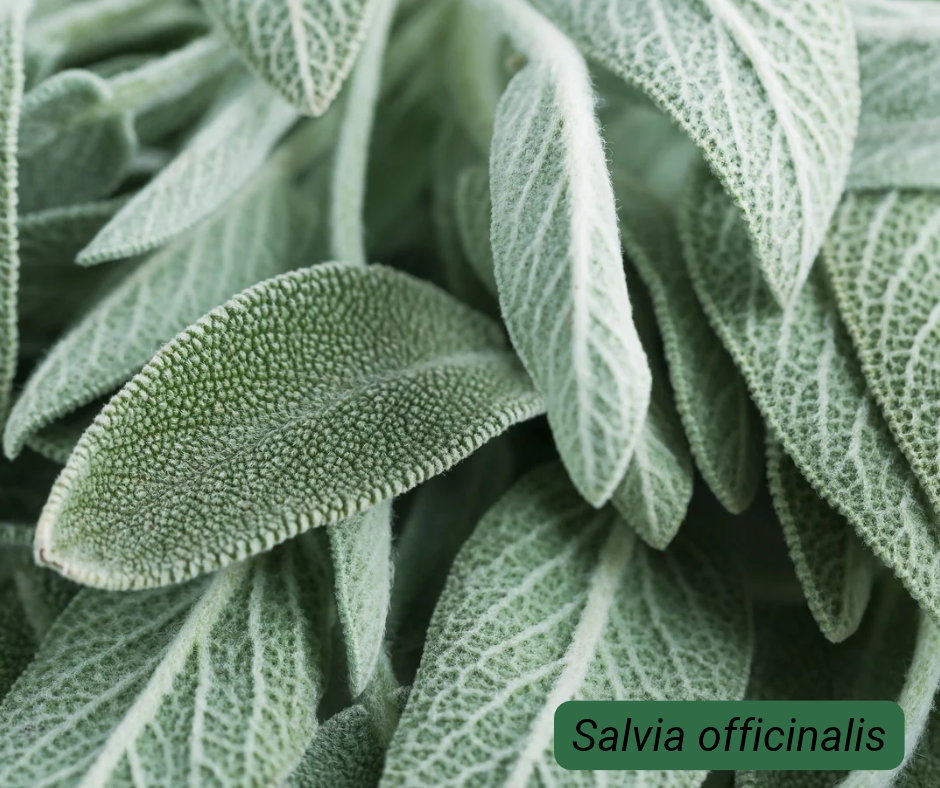
Sage is a hardy perennial herb with grayish-green leaves and a rough texture that makes it great for roasting and stews because the leaves hold up well. A member of the mint family it’s native to the Mediterranean Sea region.
They produce small, tubular, flowers that attract bees, butterflies, and occasionally hummingbirds. So that's pretty cool. The flowers come in a variety of colors depending on the cultivar.
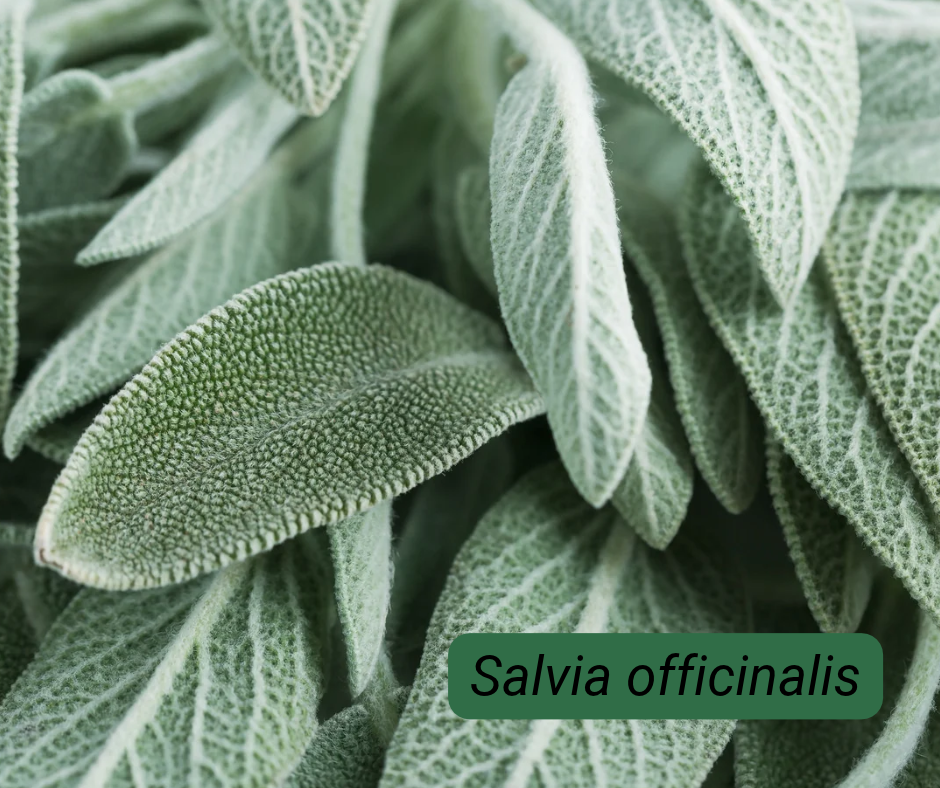
Common sage
Sage Varieties
common Sage
Common sage is the one you see most often. It grows to about 2 - 2.5 feet. The flavor is savory and slightly peppery.
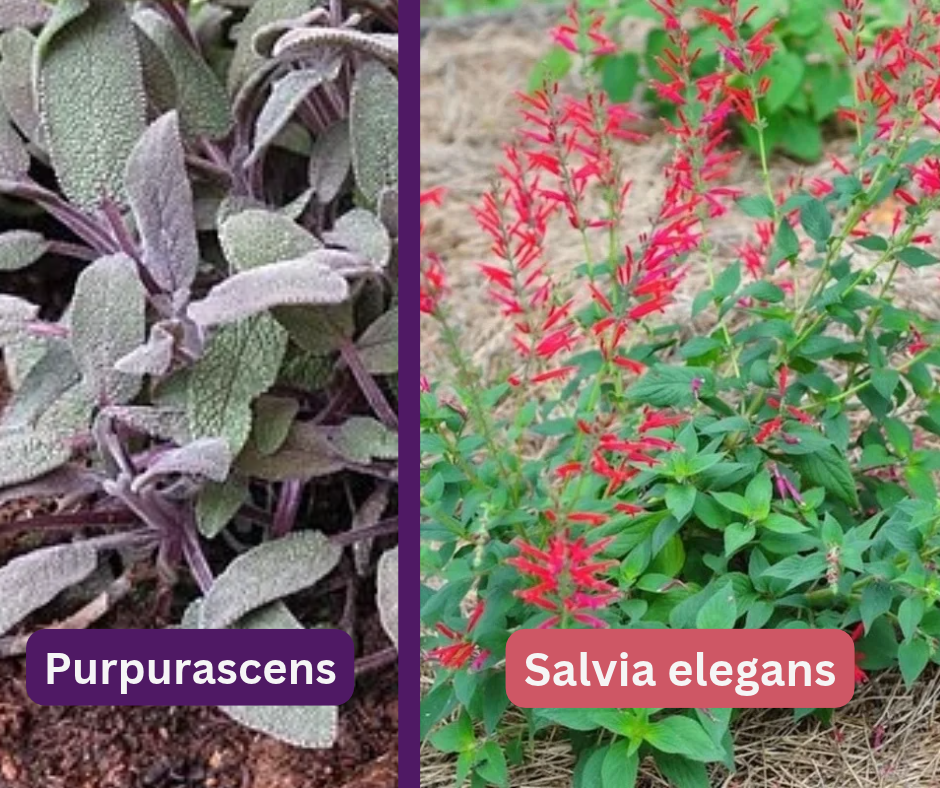
Purple sage on left; Pineapple sage on right
Purple Sage
Purpurascens is a purple-leafed cultivar. It starts as dusty purple and matures to a silvery-green. More compact purple sage grows about 1.5 to 2.0 feet tall and wide and is great for containers and in flower beds.
In late summer it makes lavender-blue or purplish flowers
Pineapple Sage
This is my favorite! Pineapple sage Salvia elegans. It smells so good. I put one in the porch herb garden because it makes the sitting area smell delicious. Pineapple sage is great for summer tea and has a fruity minty taste. Its also nice in cocktail syrups.
It is a tender perennial but my plant handles the early fall frosts well before it dies back. I cover it with straw in winter. In the garden it grows 3 to 5 feet high and 3 to 4 feet wide. A bit smaller in a container.
Pineapple sage is a hummingbird favorite. It blooms from late summer to early fall when food sources may be less available.
Growing Sage
Sage grows best in a sunny location but will tolerate light shade. It needs well-drained soil and will tolerate drought and poor soil fertility. Deer typically leave it alone. I add compost in the spring around my perennial herbs.
Start From Seed
Sage is easy to start from seed. To grow from seed, either plant directly in the garden on the average last frost date or start indoors 6 to 8 weeks before then. Plants may not flower the first year and typically take 75 days from seeding to first harvest.
The seeds take two weeks to germinate in 65–70°F (18–21°C). Plant them 1/4" deep and keep soil slightly moist.
Transplant outside after the last frost, spacing 12" apart, in rows 18" apart and divide every few years to rejuvenate the plants. Get it off to a strong start by adding compost.
Zones 5 and 6
In North America it grows in Zones 4–8. However I will say that in Zone 5 where I am now its a tender perennial and does need some winter protection. So I do mulch it well after the first fall frost. In Kentucky in zone 6 I didn't worry about it so much in winter.
Pests and Disease
Sage doesnt have a lot of pests when grown in well-drained soil. Root rot is an issue in wet soils. Good air circulation will reduce potential problems with foliar diseases. Some possible problems include slugs, spider mites, and aphids.
Sage is a good companion for cabbage, carrots because it repels cabbage moths and carrot flies.
Containers
Sage does very well in a container. There are several dwarf varieties. Compacta and Robert Grimm have smaller leaves and more compact habit than regular sage, growing only 10 inches high. Bring the plants inside for fresh sage through the winter months.
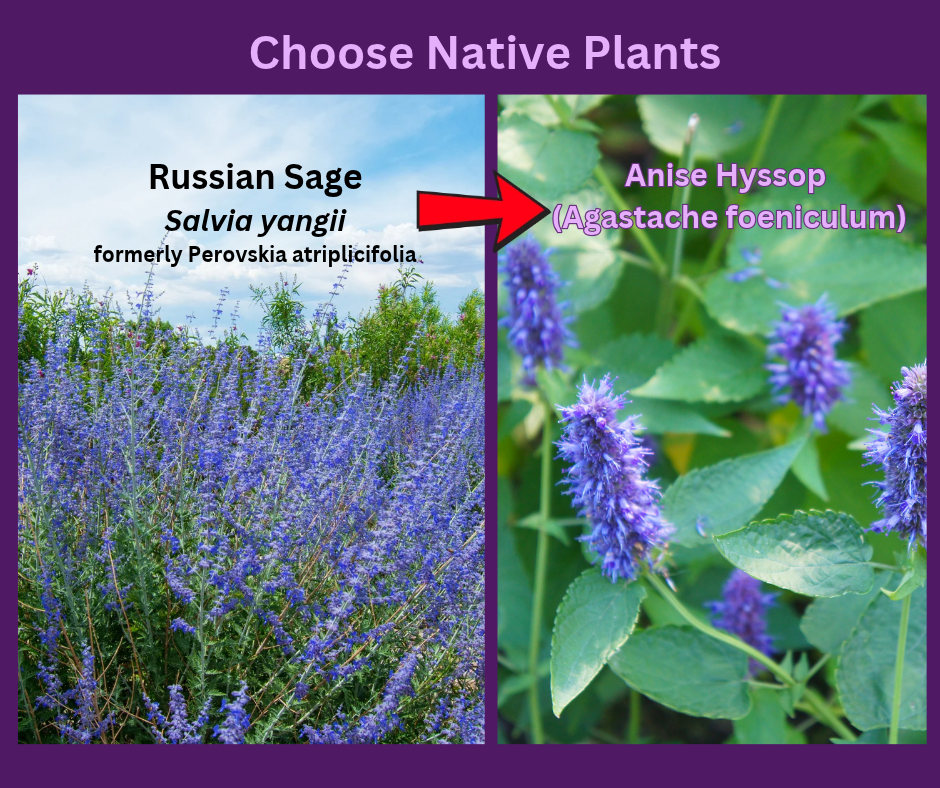
Russian Sage
Russian sage is not a true sage although it is in the mint family. Russian sage should not be eaten because its slightly toxic. Its popular in landscapes especially drought prone areas and gets about 5 feet tall. Its not a native but you can replace it with Anise Hyssop (Agastache foeniculum) which is native and also does well in dry areas.

If you are looking to use natives in a backyard wildlife garden you can check out my book for some great ideas and plans.
Harvest
During the first year, harvest lightly to ensure that the plant grows fully. For culinary, harvest before the plant flowers. Cut 6 to 8 inches from the top of the plants. Pick the leaves as desired as long as you don’t cut back more than half the plant or it will stop producing. Harvest leaves before flowering for peak oil intensity
I typically just hang my sage to dry.
Sage keeps its flavor well when stored in the freezer. Freeze leaves on a cookie sheet, then put them into a zippered bag or container. you can also blend the leaves with oil into a paste and pack the ground mixture into ice cube trays to freeze. Transfer them to a freezer container to store.
Crafts
Also sage leaves make a great wreath for fall. You can let the leaves dry on the wreath and then use them in cooking.
Sage is also great in soap.

Cooking
Sage has edible flowers. Flower spikes can be battered and fried, cooked in rice, egg, or cheese dishes, or used to garnish salads and pizza.
I mentioned the leaves from the pineapple sage make such a great summer tea.
In the kitchen, sage is excellent in stuffing, beans, and poultry. I love it in roasted squash dishes. Sage also goes very well with pumpkins. Its popular in dressing, sauces, salted herbs, sausage, and tea.
Sage-infused butter sauce is so delicious! I love it. You can also blend it into pesto along with basil.
Medical Herb
Sage is another herb rich in antioxidants and plant compounds. Modern studies are exploring how sage compounds may help reduce oxidative stress and inflammation. It also contains lutein, a carotenoid important for eye health.
Fresh sage can be steeped into tea and combined with lemon and honey during cold season. Sage is one of my favorite herbs anytime I'm dealing with a sore throat.
Author, Ame Vanorio, is the founder of Fox Run EEC, an author and avid gardener.

Basil is one of the most popular herbs to grow because it smells and tastes delightful. Basil is used in many kinds of cuisines, as well as for making pesto, all kinds of vinegar, and oils.