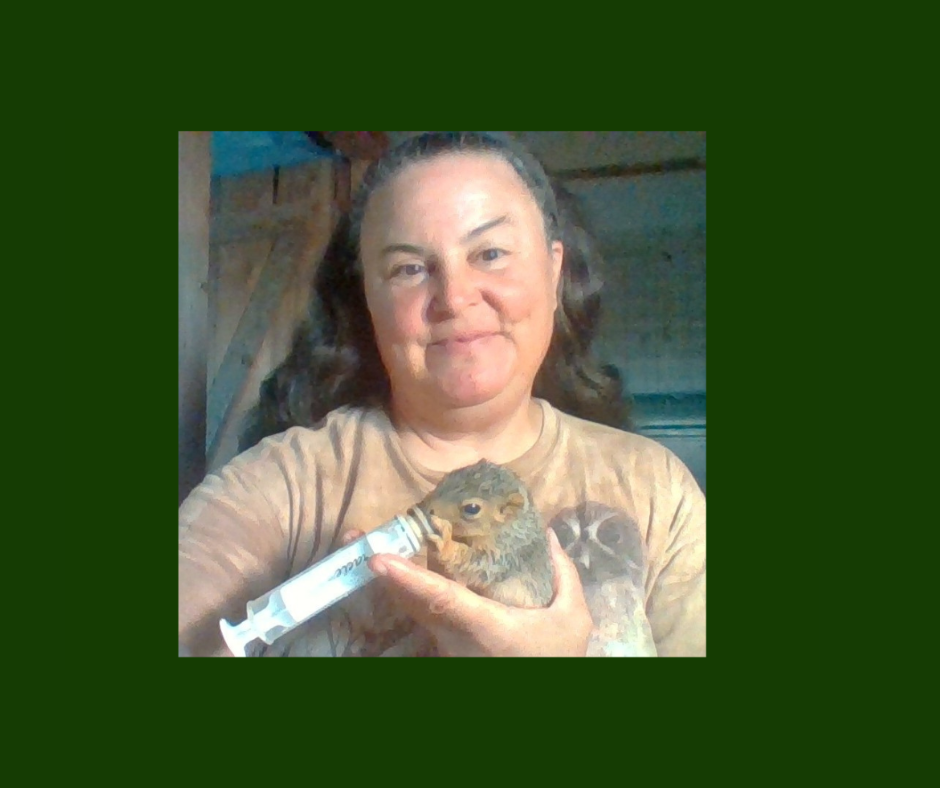

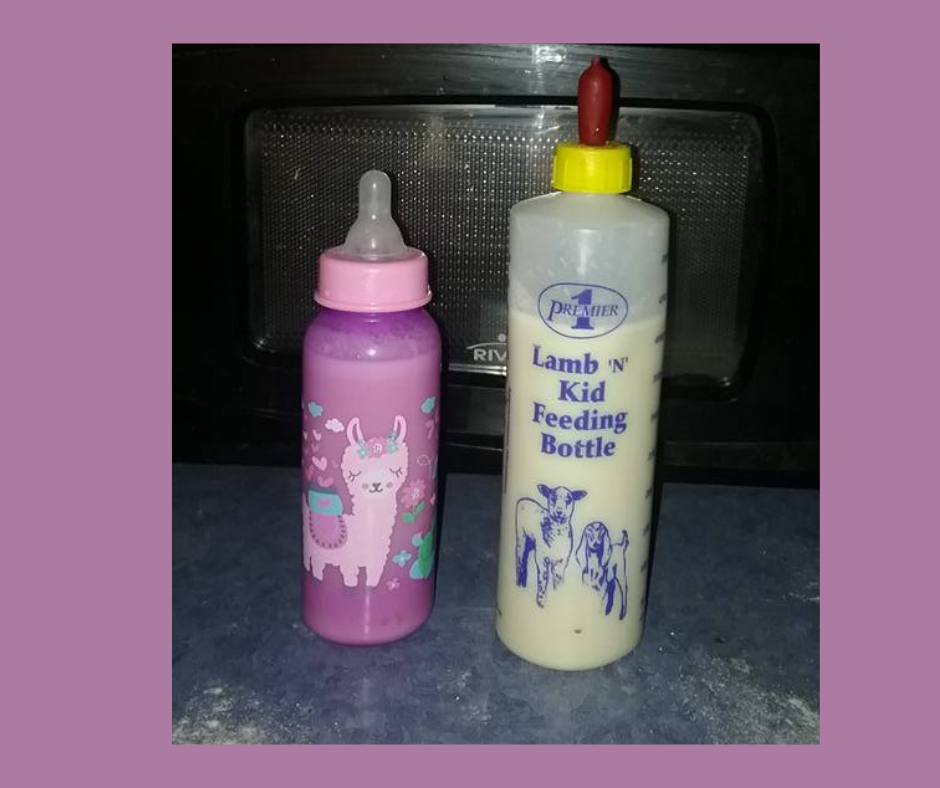
As a licensed wildlife rehabilitator, you are charged with feeding your babies until they are ready to be released. This can be a daunting task. There is a lot of controversy among experts when it comes to what is the best formula to give.
Wildlife rehabilitation is the rescue and care of injured and orphaned wildlife. Wildlife rehabilitators play an important role as conservationists and humanitarians.
Are you interested in becoming a Licensed Wildlife Rehabilitator? Keep reading as I am going to give you first-hand knowledge based on twelve years of personal experience on what it takes to become a licensed wildlife rehabilitator.
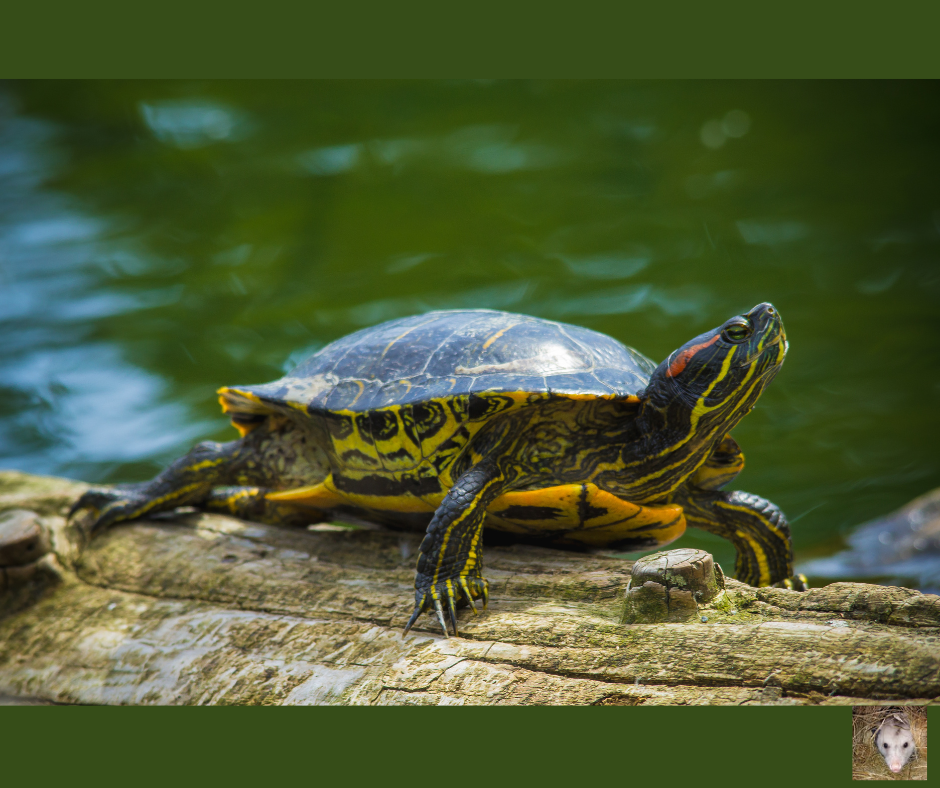
The red-eared slider (Trachemys scripta elegans)is one of the most familiar turtles in North America. Many people recognize it from backyard ponds, city parks, and pet stores. This species is hardy, adaptable, and long-lived, which explains both its success in the wild and the serious problems it causes when released outside its native range. They inhabit freshwater on all continents across the world, except for Antarctica.
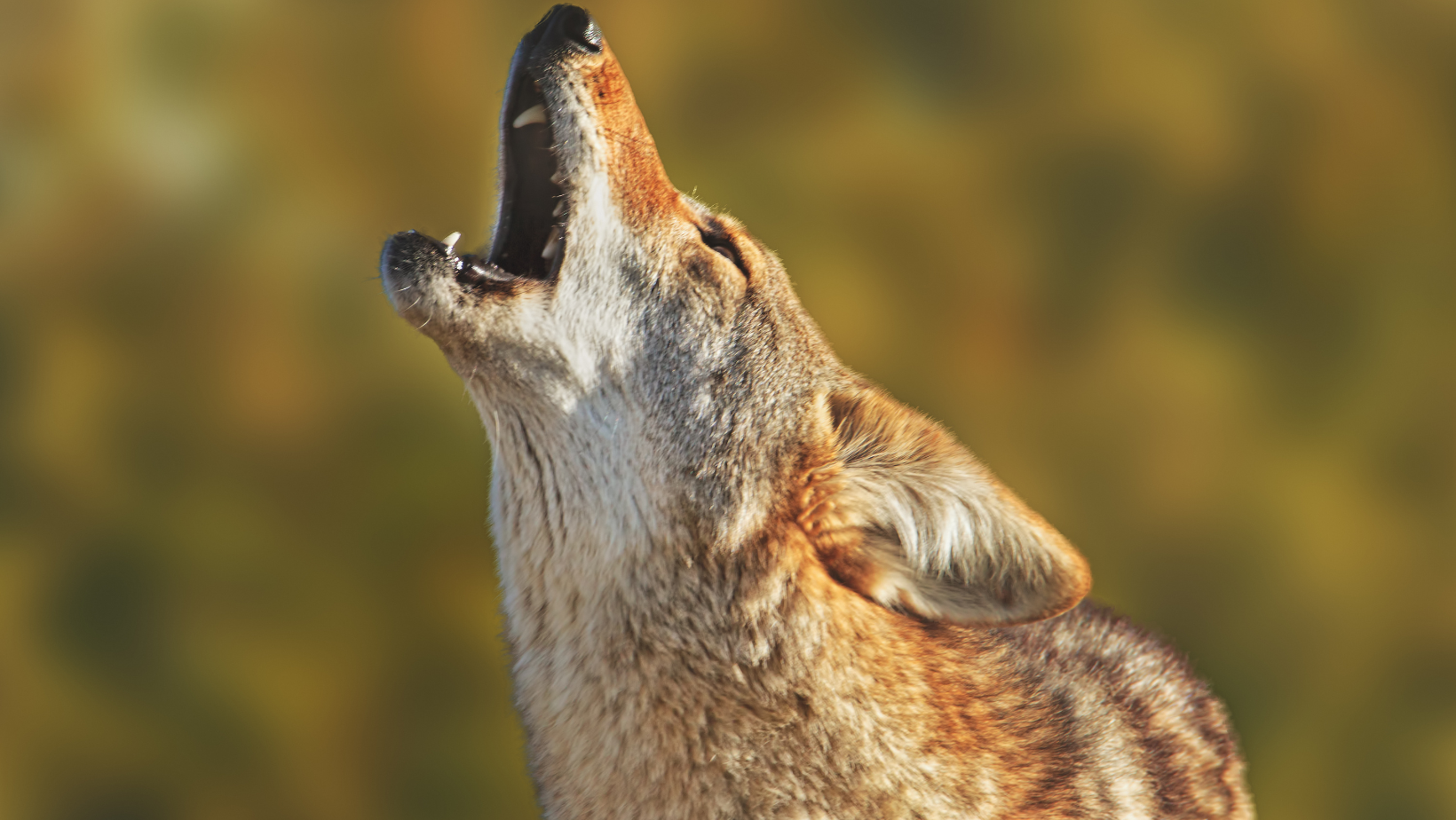
Coyotes are social, intelligent, and cunning animals. Coyotes are so smart, that Native Americans considered them an important part of their cosmology. Tribes of the southwest refer to them as God’s dogs.
They are about the size of a small dog and average about 30 pounds. Coyotes share their looks and tracks with wolves in physical appearance, but they are a bit smaller in size.
Coyotes are members of the Canidae family which also includes wolves, dogs, and foxes.
There are two species living in the United States, the common snapping turtle and the alligator snapping turtle. They live in freshwater habitats feeding on small animals.
Populations of the alligator snapping turtle are in decline and they are considered a vulnerable species. Habitat loss, climate change, and poaching are all reasons for this.
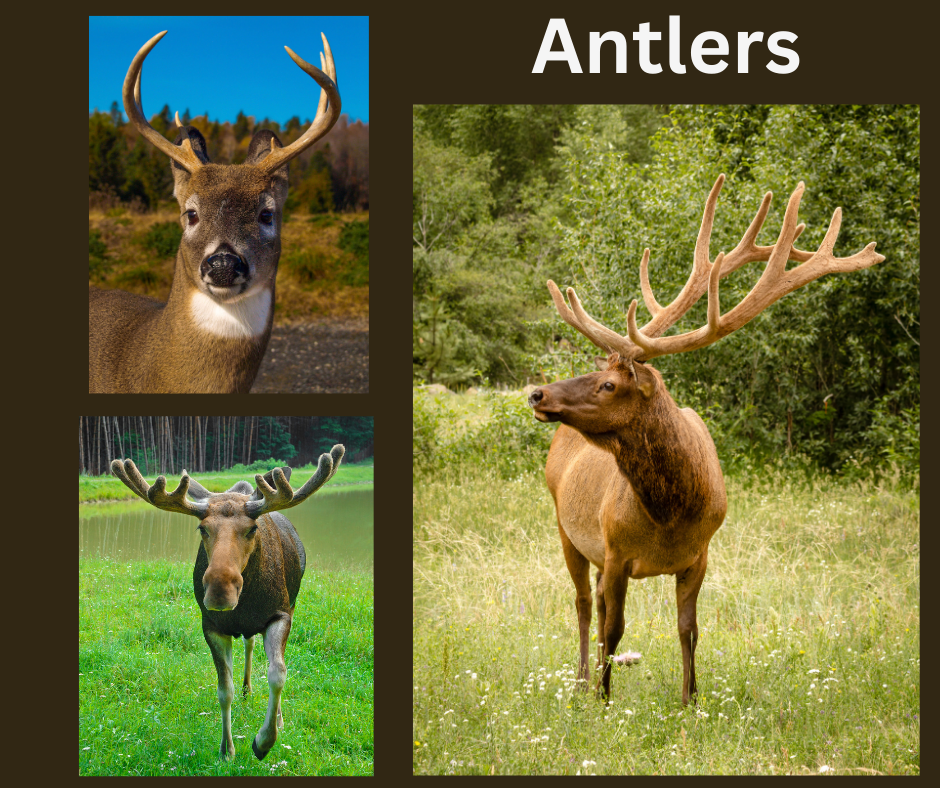
Scientists keep learning more about the various animal species that are at risk for getting COVID. High numbers of white-tailed deer have contracted SARS-CoV-2 coronavirus across the United States. The large population and social behavior of the deer, along with their close proximity to humans, appear to be the main causes for this.
Feeding birds in the winter is good for you and for birds. This enjoyable experience can bring you closer to nature while giving the birds some much-needed winter nourishment.
In addition, habitat loss due to development has destroyed much of the bird’s natural food sources. They will pay you back by providing insect control, eating weed seeds, and pollinating flowers.
Wisconsin has 11 species of turtles. Of these, the Ornate Box turtle is considered endangered and the Blandings and Wood turtles are considered threatened within the state.
Like all reptiles, turtles are cold-blooded or ectothermic which means they rely on the environment for heat. Turtles in Wisconsin have made some neet adaptations to living in a place that gets quite cold in winter.
Getting supplies together for your wildlife rehabilitation facility is very important. You will want to put some thought into how you set up your facility.
Supplies include cages, bedding, food, cleaning, and intake materials. There is always a long list of things that are needed. Your needs may change as you grow or decide to specialize.
Kidnapping is an unfortunate event when humans steal baby wild animals from their natural homes. Sometimes people kidnap wildlife because they think they are helping or rescuing the baby. Often humans kidnap wildlife because they want an exotic pet.
The purpose of this article is to help both wildlife rehabilitators and people who care about wildlife to learn about wildlife kidnapping and make good decisions to help wild babies.
The sandhill crane is a large and magnificent bird that is found in wetlands in the central United States. They spend their breeding season in Wisconsin’s wetlands and are a common sight even in urban areas.
At one point Sandhill crane populations had dwindled so low they were near extinction. Aldo Leopold and other Wisconsin environmentalists were instrumental in publicizing their plight.
These birds are best known for their graceful dance-like movements, which they perform during courtship rituals and their very vocal conversations.
Benjamin Franklin was right about one thing. The turkey would have made a great national bird.
Wild Turkeys are large, plump birds with long legs. You often see them walking in fields or on the edges of wooded areas. The distinctive gobble and beautiful tail plumage on the male make them easy to identify.