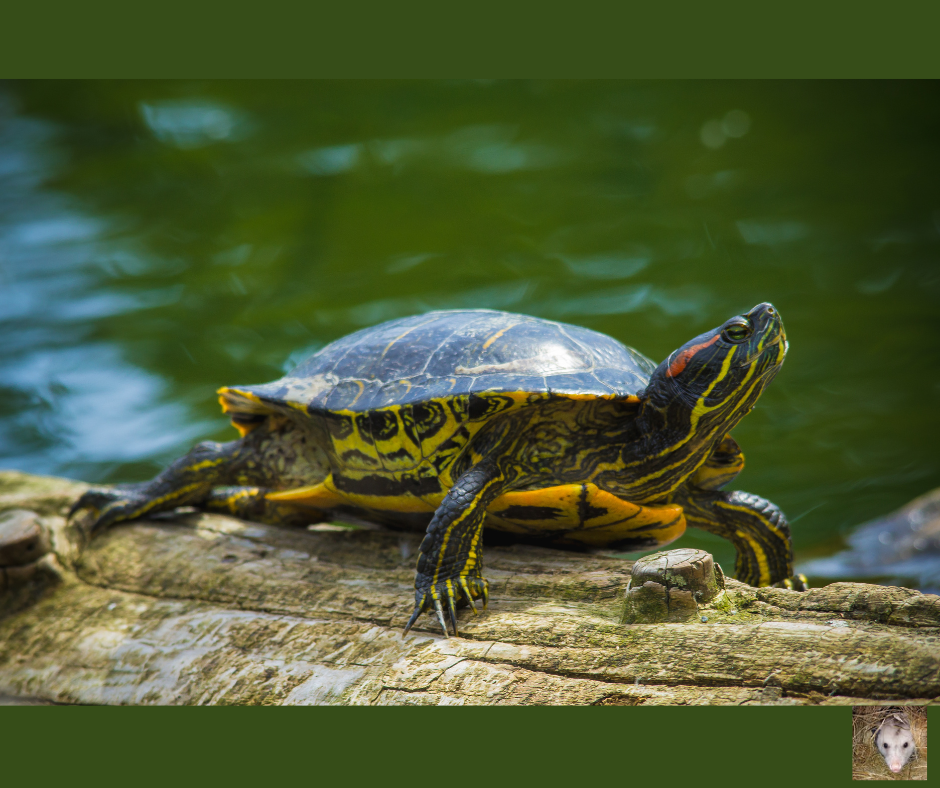
The red-eared slider (Trachemys scripta elegans)is one of the most familiar turtles in North America. Many people recognize it from backyard ponds, city parks, and pet stores. This species is hardy, adaptable, and long-lived, which explains both its success in the wild and the serious problems it causes when released outside its native range. They inhabit freshwater on all continents across the world, except for Antarctica.
Red-eared slider turtles are identified by a red line running from behind their eyes, along the side of their head. Their shell and bodies are quite dark in color with bright yellow lines on their neck, legs, and some of their scutes (shell plates). They are commonly found throughout the United States.
In this article we will look at the species, some fun facts, and why they are considered invasive.
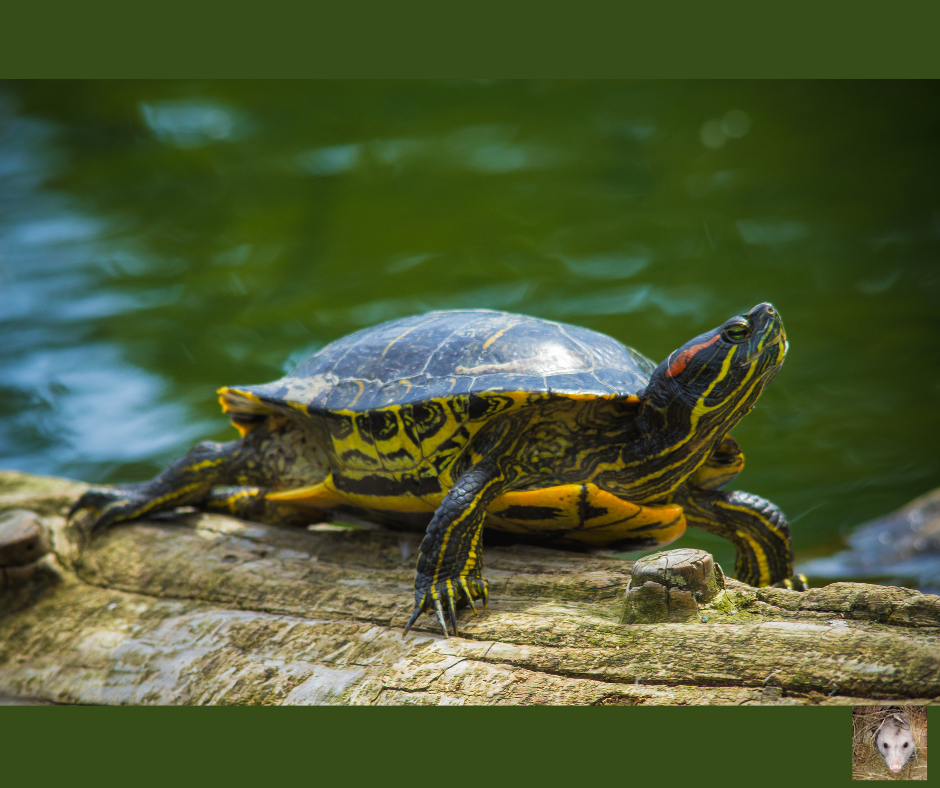
Red-eared sliders are medium-sized turtles. Most adults reach 7–12 inches in shell length, with females larger than males. Their most distinctive feature is the red or orange stripe behind each eye, which gives the species its common name.
Native Range?
Red-eared sliders are native to the southeastern and south-central United States, especially the Mississippi River basin. Their native range includes states such as Texas, Oklahoma, Arkansas, Louisiana, Mississippi, Alabama, Tennessee, Missouri, and parts of Illinois and Kentucky.
What Do they Eat?
These habitats usually have abundant aquatic plants. They are omnivorous and feed on a wide range of plants and animals found in and the water. So, places that are abundant in fish, crayfish, snails, tadpoles, worms, aquatic insects and plants will likely be home to these turtles as well. Sliders have excellent vision and can see color, which helps them locate food.
This flexible diet allows sliders to thrive in many environments, including human-altered habitats. In urban ponds, they often eat discarded food, which can lead to poor nutrition and overcrowding, according to the USGS.
Why do Turtles Bask?
You can often spot them basking on logs or rocks sticking out from the water. Basking allows them to regulate body temperature, digest food, and reduce parasites and algae on their shells (Ernst & Lovich).
How big do red eared sliders get?
Female red eared sliders are larger than males and can grow up to 12 inches long. Males normally measure 8-10 inches. They reach full size and sexual maturity at about 7 years old and, in captivity, they can live for up to 30 years.
Not all turtles, grow at the same rate or to the same size. Many factors determine this. Diet, space and environmental conditions all play a role in the growth of these animals. During the first year of life, they can grow up to 3 inches and typically an inch per year after that. Adult females can weigh up to 1.2 pounds and males just over half a pound.
Males can be identified by long front claws and a longer, thicker tail. Females have shorter claws and a broader shell to allow room for eggs.
Life Cycle and Reproduction
Red-eared sliders have a long life span, often living 20–30 years in the wild and sometimes over 40 years in captivity.
Breeding usually occurs in spring. Males perform a courtship display by fluttering their long claws near the female’s face. If the female is receptive, mating occurs in the water.
Females leave the water to nest on land, often traveling long distances to find suitable soil. They dig nests in sunny, well-drained areas and lay 5–20 eggs per clutch, with some females producing multiple clutches in one season. The eggs incubate for about 60–90 days.
Sex determination in red-eared sliders is temperature-dependent. Warmer nest temperatures produce more females, while cooler temperatures produce more males. Hatchlings usually emerge in late summer or early fall, although some overwinter in the nest and emerge in spring.
Juvenile mortality is high. Eggs and hatchlings are preyed upon by raccoons, skunks, foxes, birds, snakes, and fish. Adults have fewer predators but may be taken by large mammals or birds.
Red-eared sliders can absorb oxygen through their cloaca (butt) while underwater, allowing them to stay submerged for long periods during rest or winter dormancy. They brumate during cold weather, slowing their metabolism and becoming less active, often resting on pond bottoms or under debris.
Are Red Eared Sliders an invasive species?
Red eared sliders are one of the world's most invasive species and are often considered a threat to biodiversity because they compete with native turtles for food, basking sites, and nesting areas. Studies show they can displace native species such as painted turtles.
Due to their popularity in the pet trade, however, they are found in all corners of the globe except for Antarctica. Typically, red eared sliders are illegally released into ponds and rivers by people who no longer want them as pets. In many states and countries, the sale or release of red-eared sliders is restricted or banned. Despite this, illegal releases continue, especially when pet turtles outgrow small tanks or become difficult to care for.
There are turtle rescues and some humane societies will take them. So don’t abandon a pet turtle!
Invasive species (those which are not native to an area) include all manner of plants and animals. They are often highly adaptable and can outcompete the existing wildlife in a region. The red eared sliders compete for food sources, habitat and can spread disease. They are known to carry and transmit Salmonella, respiratory disease and ranaviruses to other reptiles, amphibians and fish.
As with other turtles, the red eared slider plays an important role in the ecosystem. The adults, the hatchlings and the eggs provide food for a wide range of aquatic and land animals. They accumulate environmental pollutants in their bodies, removing them from the aquatic environment. They improve pH levels in the water, increase detritus decomposition and increase invertebrate numbers. Their populations could prove beneficial in some habitats.

Check out my wildlife rehabilitation books for adults and wildlife activity books for kids.
Wildlife Rehabilitation
Red-eared sliders are commonly admitted to wildlife rehabilitation centers, especially in their native range. Common reasons include vehicle strikes, fishing hook injuries, shell fractures, and cold-stunning during sudden temperature drops.
Rehabilitation focuses on stabilizing injuries, treating infections, and ensuring the turtle can swim, dive, bask, and forage normally before release. Shell injuries often heal slowly but can be successfully treated with proper care.
In states where red-eared sliders are native, healthy rehabilitated individuals are usually released back into suitable habitat near where they were found. In non-native or invasive regions, release may be prohibited by law. In those cases, turtles may be placed with permitted educational facilities or long-term captive care programs, depending on state regulations.
Rehabilitators also play a key role in public education, explaining why pet turtles should never be released and helping people understand native versus invasive species issues.
Can I pick up a wild turtle?
If you find a red eared slider, its best to leave it alone. Find a good spot and observe them in nature.
If you find a turtle in an urban area it is best not to relocate it. Read my article There Is No Place Like Home – Turtle Homing Instincts
Carefully move turtles if they are on the road as long as you can do so safely. Always take turtles in the direction they were going.
Intergradation
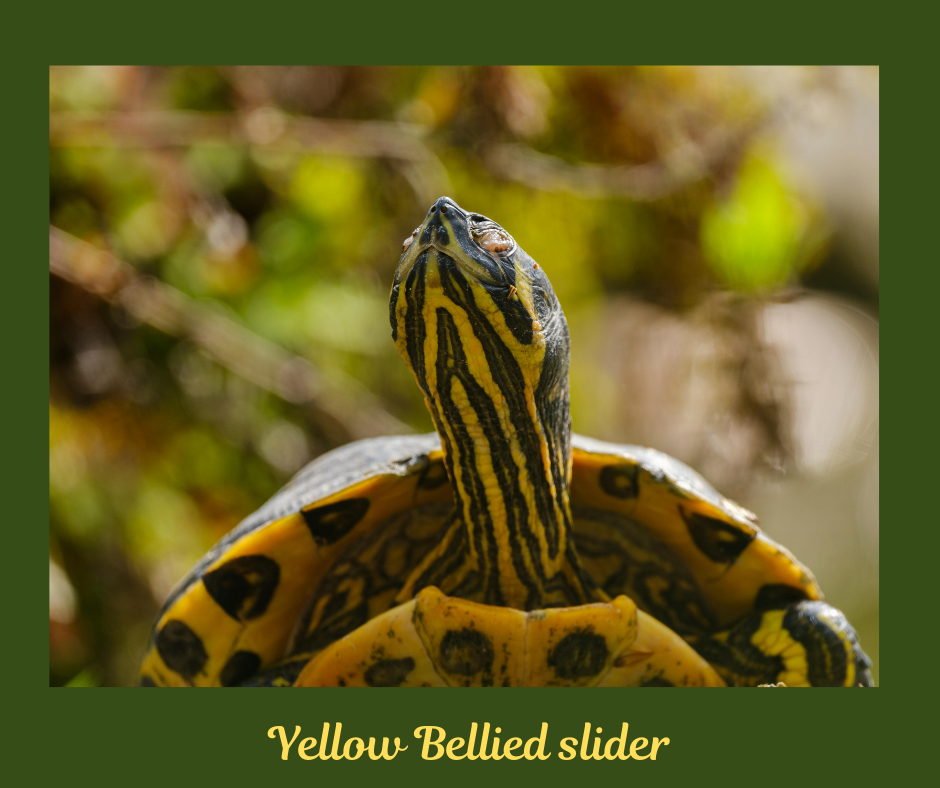
A closely related species the yellow-bellied slider (Trachemys scripta scripta) is native to the southeastern United States, from Florida to Virginia. They live in similar habitats and eat many of the same foods.
Intergradation refers to hybridization between closely related subspecies or species where their geographic ranges overlap. In slider turtles, this occurs between the red-eared slider (Trachemys scripta elegans) and the yellow-bellied slider (Trachemys scripta scripta).
These turtles are subspecies of the same species and can readily interbreed where their native ranges meet, particularly in parts of the southeastern United States. Offspring from these pairings often show mixed physical traits, such as reduced or broken red ear markings, yellow or orange patches behind the eye, and intermediate shell patterns that do not match either parent subspecies exactly.
Author, Ame Vanorio, is an environmental educator, and the founder of Fox Run EEC. She writes articles and books about her favorite topics - organic gardening and wildlife conservation.


Removing them from their territory can cause confusion and even death. Turtles who are unable to find their way home often die of starvation. One study done on Eastern Box Turtles found that only 47% of translocated turtles survived and established a new home range.