


Provide winter habitat for snakes, frogs, and insects by providing a hibernaculum. Step-by-step instructions on how to build ones for several species.
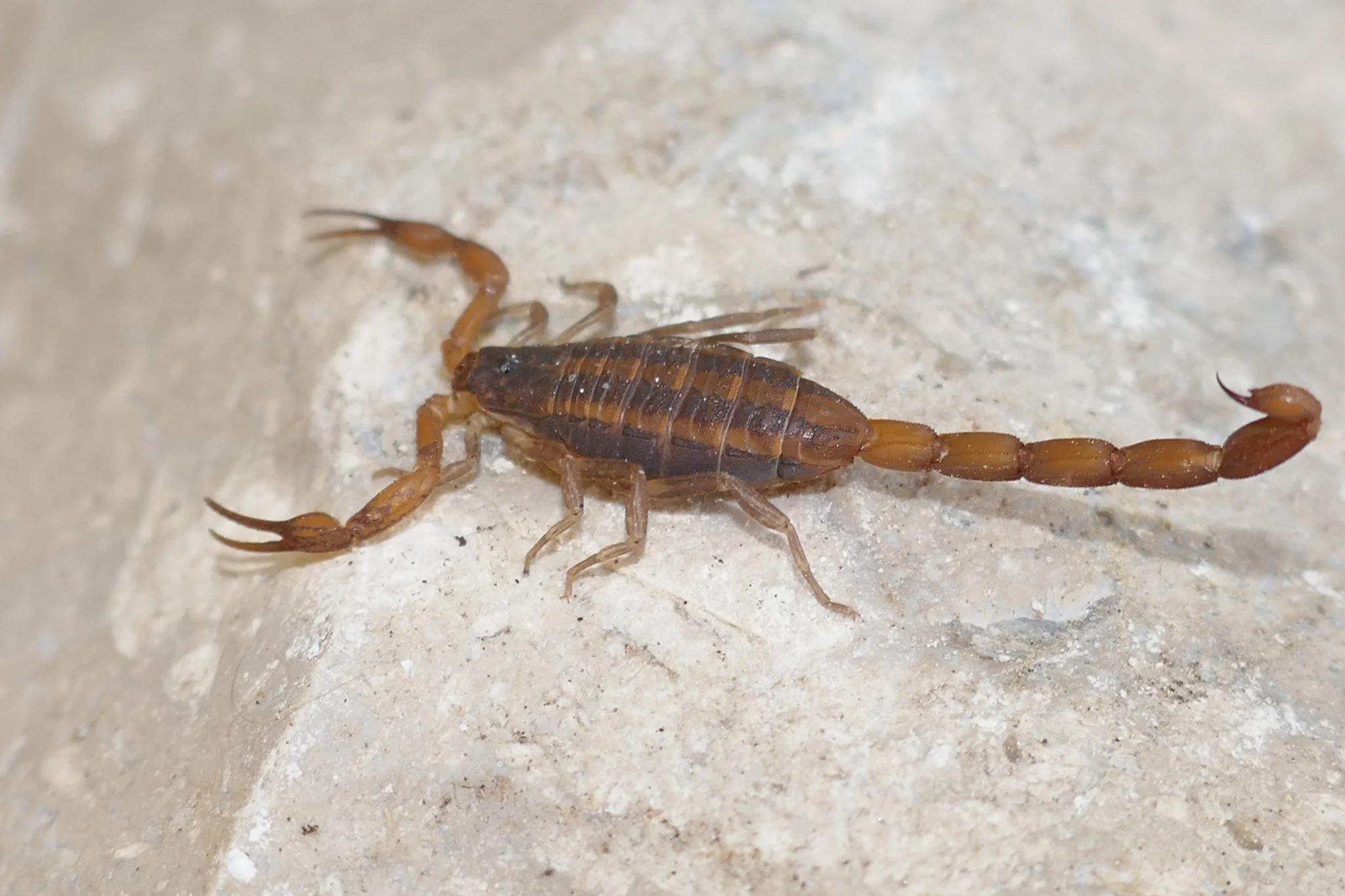
Scorpions are known for their venomous sting, which they use to paralyze or kill their prey. While most scorpions are not deadly to humans, a few species have venom potent enough to cause serious harm. The fear of their sting adds to their frightening reputation.
Bison bring up many romantic ideals of a time gone by. At one time bison ranged over much of the country, a cornerstone species in their ecological niche.
After being nearly exterminated by overhunting they have made a heroic comeback.
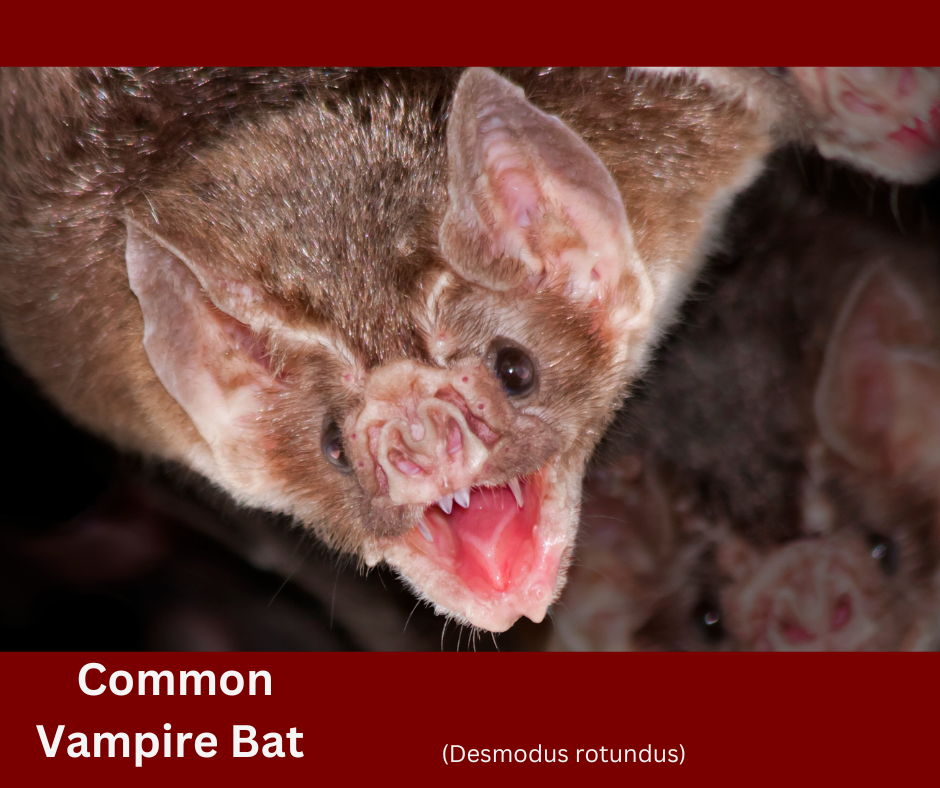
Vampire bats are the only mammals that survive exclusively on a diet of blood. The scientific word is obligate sanguivores. And yes, sometimes they bite humans. There are three species of vampire bats but we are focused on the one closest to us in the United states, the common vampire bat.
Rest and Relaxation. Catching some ZZZ’s. Hibernation, Brumation, and Torpor are all animal responses to dealing with the need to conserve energy and slow down. I explain what they are and how wildlife gets through the cold months every year.
Hibernation, Brumation, and Torpor are biological reactions to the environment. By slowing down their metabolic rate animals can conserve energy, have less need for food, and gain the ability to survive lower temperatures.
Raccoons are adorable, smart, precocious and they use these attributes to get into trouble. Not that raccoons think “I am going to get in this trash can just to be bad.” But that is what happens.
This article will tell you everything you need to know about raccoons including how smart they are and how to humanely keep them out of your attic and chicken house.